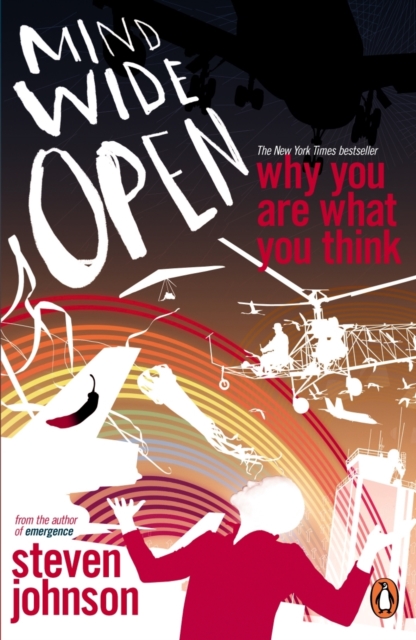
From the author of Emergence and The Ghost Map, Steven Johnson's Mind Wide Open: Why You Are What You Think takes us on a journey to the frontiers of brain science and reveals exactly how we're hardwired to think and feel.
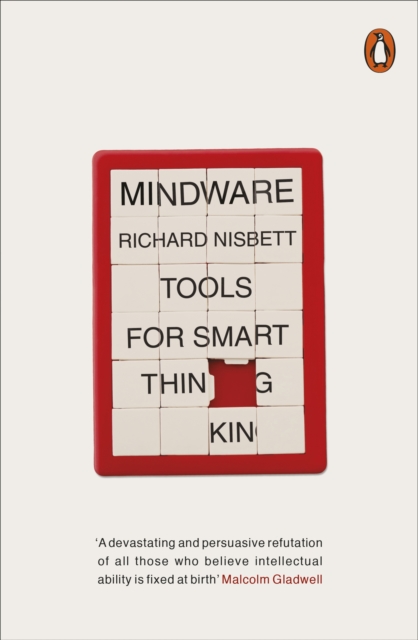
An enlightening and practical guide to the most powerful tools of reasoning ever developed, by one of the world's most renowned psychologists Many scientific and philosophical ideas are so powerful that they can be applied to our lives to help us think smarter and more effectively about our behaviour and the world around us.
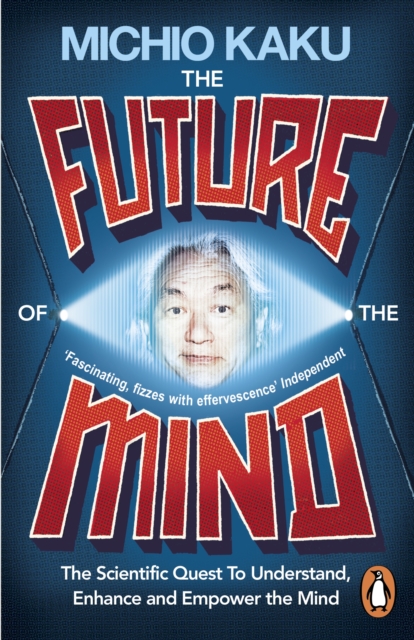
Recording memories, mind reading, videotaping our dreams, mind control, avatars, and telekinesis - no longer are these feats of the mind solely the province of overheated science fiction.
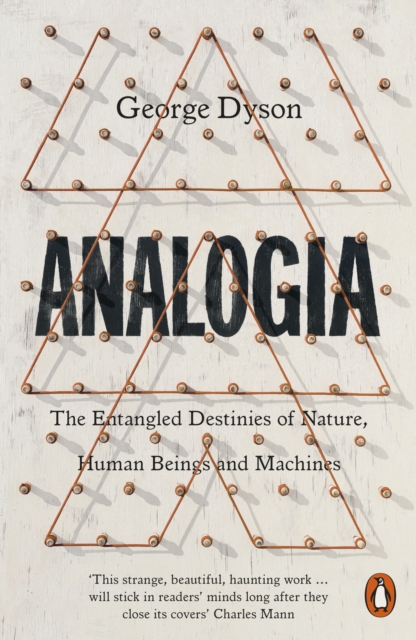
A FINANCIAL TIMES BOOK OF THE YEAR 2020How did we end up in a world where humans coexist with technologies we can no longer fully control or understand?
The Compatibility Gene is a scientific adventure story set in a new field of genetic discovery - that of the crucial genes that define our relationships, our health and our individuality.
An awe-inspiring, unforgettable journey of scientific exploration from Brian Cox and Jeff Forshaw, the top ten bestselling authors of The Quantum Universe.
For many years, scientists thought that the human brain simply decayed over time and its dying cells led to memory slips, fuzzy logic, negative thinking, and even depression.
The Quantum Universe brings together two authors on a brilliantly ambitious mission to show that everyone can understand the deepest questions of science.
High Price by Carl Hart is a groundbreaking work on neuroscience and addictionAs a youth, Carl Hart didn't see the value of school, studying just enough to keep him on the basketball team.
In The Journey of Man, renowned geneticist and anthropologist Spencer Wells traced human evolution back to our earliest ancestors, creating a remarkable and readable map of our distant past.
Acclaimed as the most influential work on evolution written in the last hundred years, The Blind Watchmaker offers an inspiring and accessible introduction to one of the most important scientific discoveries of all time.
'In the gloom it came along the branches towards me, its round, hypnotic eyes blazing, its spoon-like ears turning to and fro independently like radar dishes .
* * * Winner of the Royal Society Winton Prize for Science Books * * * FROM THE TEA-CUP TO THE JET ENGINE, STUFF MATTERS IS A UNIQUE, INSPIRING EXPLORATION OF HUMAN CREATIVITY.
Our Necessary Shadow is the first attempt in a generation to explain the whole subject of psychiatry, from the UK's leading expert, Tom BurnsA lot is written about psychiatry and the things it deals with, but very little that describes psychiatry itself.
In Time Reborn, Lee Smolin, one of our foremost physicists and thinkers offers a radical new view of the nature of time and the cosmosNothing seems more real than time passing.
'Wolfe has an important story to tell and as a virologist at the forefront of pandemic forecasting, he is the perfect person to tell it' GuardianIn The Viral Storm award-winning biologist Nathan Wolfe - known as 'the Indiana Jones of virus hunters' for his work in jungles and rain forests across the world - shows why we are so vulnerable to a global pandemic.
In the computerized world of today mathematics has had an impact on almost every aspect of our lives, yet most people believe they cannot hope to understand or enjoy the subject.
Richard Feynman Nobel Laureate, teacher, icon and genius possessed an unquenchable thirst for adventure and an unparalleled gift for telling the extraordinary stories of his life.
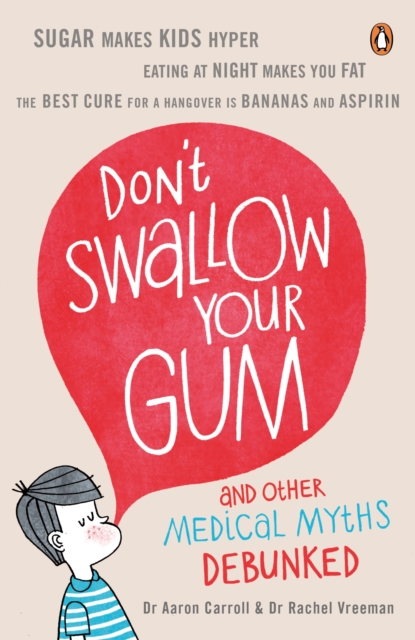
Men with big feet have big penisesYou should drink at least eight glasses of water a daySugar makes kids hyperEating at night makes you fatChewing gum stays in your stomach for seven yearsYou lose 40% of your body heat through your headEvery day, you hear or think things about your body and health that are just not true.
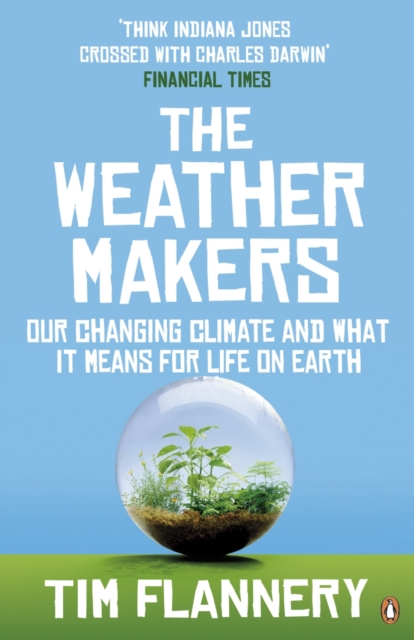
The Weather Makers tells the dramatic story of the earth's climate, of how it has changed, how we have come to understand it, and of what that means for the future.
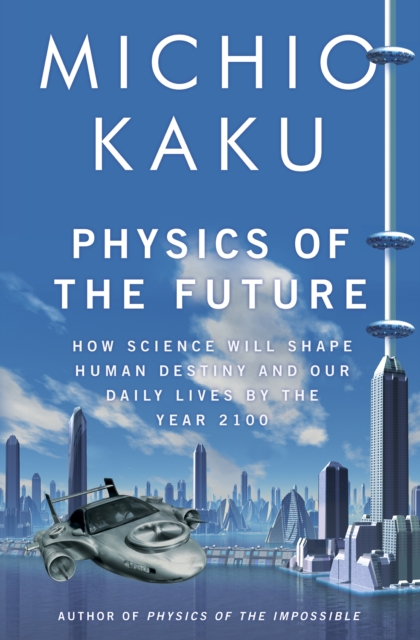
The international bestselling author of Physics of the Impossible gives us a stunning and provocative vision of the futureBased on interviews with over three hundred of the world's top scientists, who are already inventing the future in their labs, Kaku-in a lucid and engaging fashion-presents the revolutionary developments in medi cine, computers, quantum physics, and space travel that will forever change our way of life and alter the course of civilization itself.
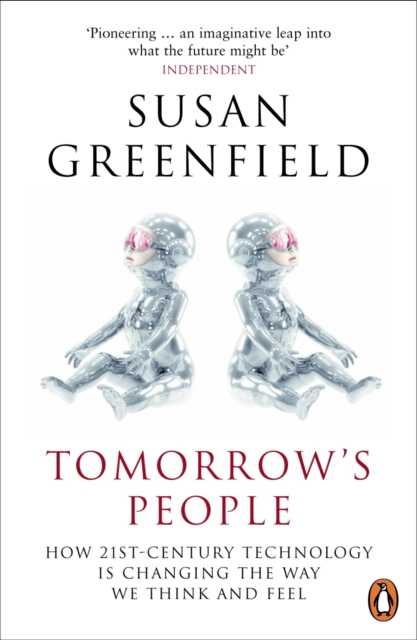
The book is an exploration of how this century is going to change not just the way we think, but also what we actually think with - our own individual minds.