In The Universe Within, Neil Shubin, one of the world's leading experts, reveals to us the extraordinary cosmic and evolutionary adventure of our own bodies.
Lewis Carroll's books have delighted children and adults for generations, but behind their exuberant fantasy and delightful nonsense was the mind of a brilliant mathematician.
Physics of the Impossible takes us on a journey to the frontiers of science and beyond, giving us an exhilarating insight into what we can really hope to achieve in the future.
One of the most influential books of the 21st century: the ground-breaking psychology classic - over 10 million copies sold - that changed the way we think about thinking'There have been many good books on human rationality and irrationality, but only one masterpiece.
The phenomenal international bestseller that shows us how to stop trying to predict everything - and take advantage of uncertaintyWhat have the invention of the wheel, Pompeii, the Wall Street Crash, Harry Potter and the internet got in common?
'Gribbin takes us through the basics with his customary talent for accessibility and clarity' Sunday TimesThe world around us can be a complex, confusing place.
In this beautiful and unique combination of art and science, this stunningly detailed book examines how the rules of science govern the the world around us, from the rooms in our houses to the planet, the solar system and the universe itself!
An eloquent explanation of why human beings need to connect with nature and what is lost when they are disconnected from the natural world Human health and well-being are inextricably linked to nature; our connection to the natural world is part of our biological inheritance.
Physics in the Arts is a concise, 328-page four-color entry in the Complementary Science Series, designed for science enthusiasts and liberal arts students requiring or desiring a well-developed discussion of physical phenomena, particularly with regard to sound and light.
Dependent on a shrinking supply of bamboo, hunted mercilessly for its pelt, and hostage to profiteering schemes once in captivity, the panda is on the brink of extinction.
In 1884, Edwin Abbott Abbott wrote a mathematical adventure set in a two-dimensional plane world, populated by a hierarchical society of regular geometrical figures-who think and speak and have all too human emotions.
An entertaining and informative anthology of popular math writing from the Renaissance to cyberspaceDespite what we may sometimes imagine, popular mathematics writing didn't begin with Martin Gardner.
A fun and fact-filled AZ treasury for the insect lover in all of usInsectpedia introduces you to the wonders of the insect world while inviting you to make discoveries of your own.
Will change your life Chris Evans Completely fascinating Heston Blumenthal Important and devastating The TimesFrom a world-leading microbiome scientist and surgeon comes Dark Matter, a pioneering guide to hacking your microbiome for a healthier life.
Exploding myths and offering research-backed advice, this book provides a shortcut to decades of gardening experience by explaining the science behind how a garden grows.
This monograph, now in its 2nd edition with 31 new chapters and significant updates, is the first book of its kind written specifically for graduate students and clinicians.
Insects have much to offer when it comes to designing engineering solutions to problems, whether for robotics, aeronautics, computing or materials science.
With In Focus Sacred Geometry, learn the fascinating history behind this ancient tradition as well as how to decipher the geometrical symbols, formulas, and patterns based on mathematical patterns.
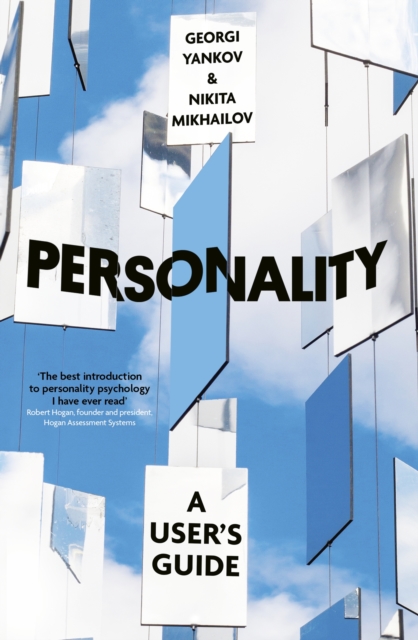
'The best introduction to personality psychology I have ever read' Robert Hogan, founder and president, Hogan Assessment SystemsWe are each born with a particular genetic makeup and traits that are further shaped by our individual environments and life experiences, creating a personality unique to us.
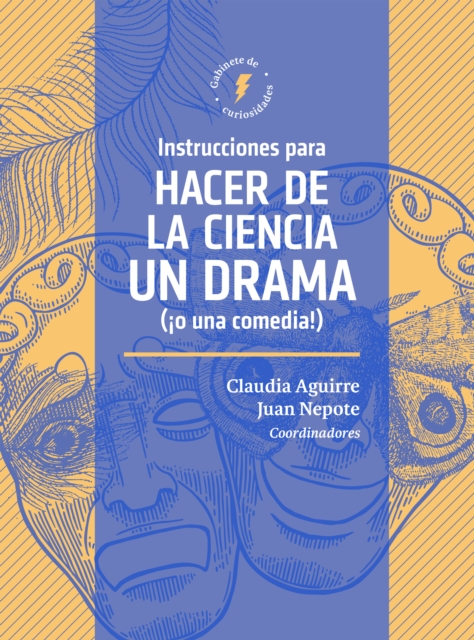
Para confeccionar este libro se reunió un grupo de amigos especialistas en alguna de las ramas de las artes escénicas (teatro, improvisación, monólogos, danza, etcétera) y que tienen un profundo interés por las ciencias.
'By mixing lo-fi charm into hi-fi science Into the Groove captures all the wonder and absurdity of its subject, jumping and skipping with real analogue delight.
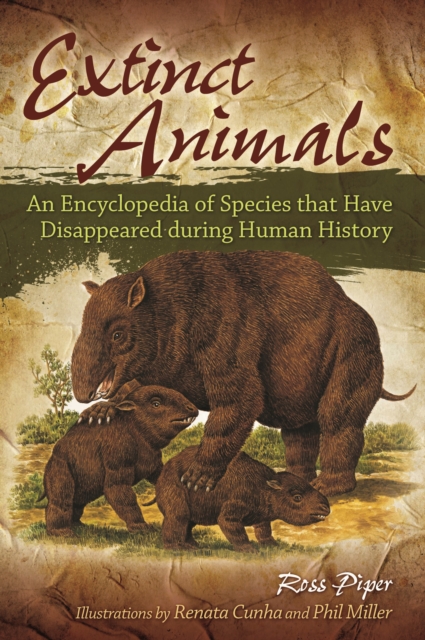
In Lost Wonders Tom Lathan tells ten powerful stories of species that have lived, died out and been declared extinct since the turn of the twenty-first century.
The neuroscience of why bad habits are so hard to break-and how evidence-based strategies can help us change our behavior more effectivelyWe all have habits we'd like to break, but for many of us it can be nearly impossible to do so.
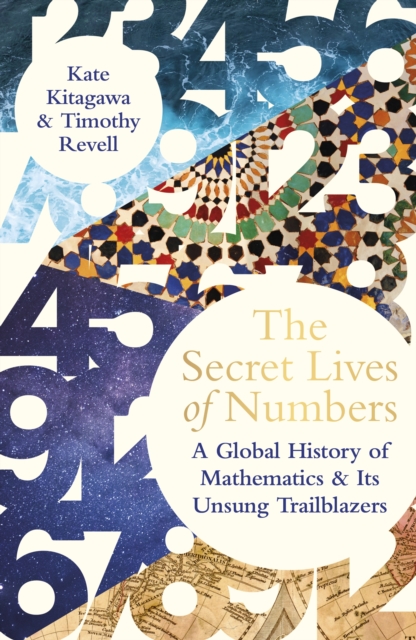
A revisionist, completely accessible and radically inclusive history of maths'Lively, satisfying, good at explaining difficult concepts' The Sunday TimesMathematics shapes almost everything we do.
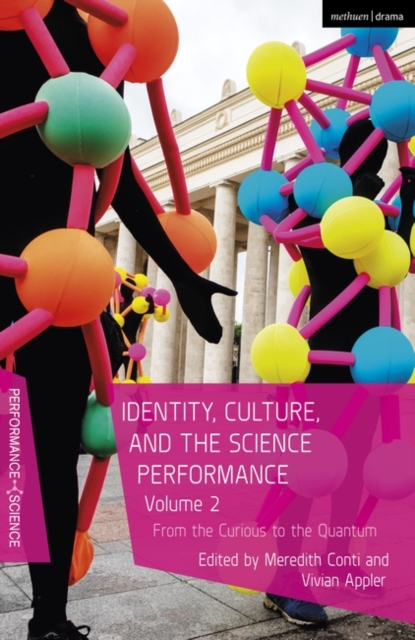
Volume 2 of Identity, Culture, and the Science Performance investigates performances that illuminate the hidden recesses and inscrutable mysteries of the natural and human-made worlds.