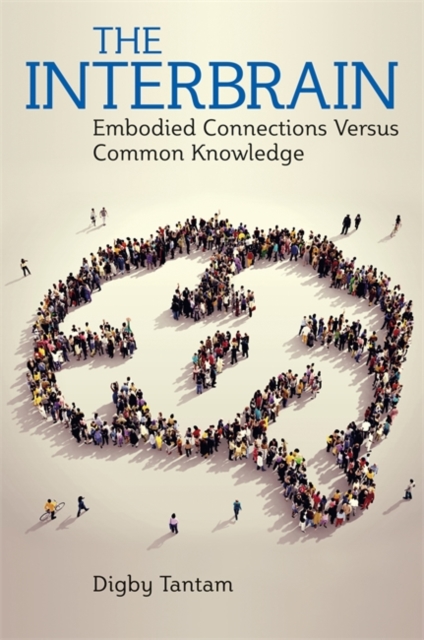
Digby Tantam presents the ground-breaking theory of the interbrain, the idea that human beings are endlessly connected by a continuous interplay of non-verbal communication of which we are unaware.
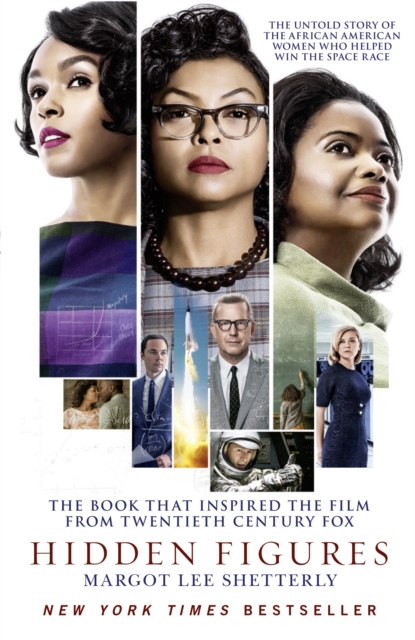
The Top 10 Sunday Times BestsellerNOW A MAJOR MOTION PICTUREOscar Nominated For Best Picture and Best Adapted ScreenplaySet amid the civil rights movement, the never-before-told true story of NASA's African-American female mathematicians who played a crucial role in America's space program.
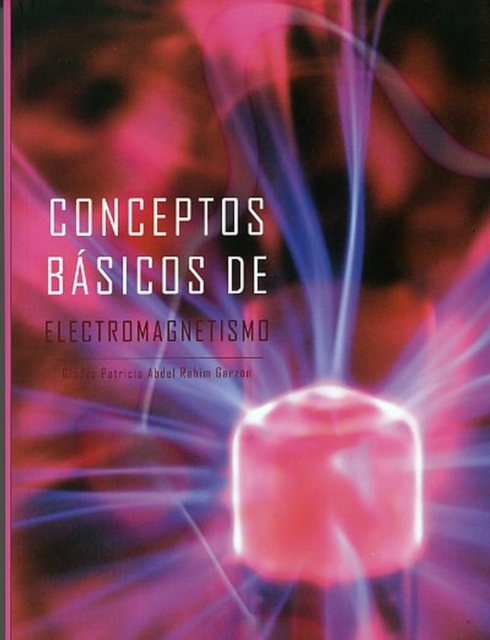
Es un texto guía, de orientación y visión general de los fundamentos de electricidad y magnetismo, que está dirigido a los estudiantes de Ingeniería y Ciencias.
Humans are extraordinary creatures, with the unique ability among animals to imitate and so copy from one another ideas, habits, skills, behaviours, inventions, songs, and stories.
This engaging and readable book provides an introduction to consciousness that does justice both to the science and to the philosophy of consciousness, that is, the mechanics of the mind and the experience of awareness.
Will give pleasure to anyone interested in original thinking about the brain Breathtakingly original Financial Times The trailblazing investigation of a question that has confounded us for centuries: how is consciousness created?
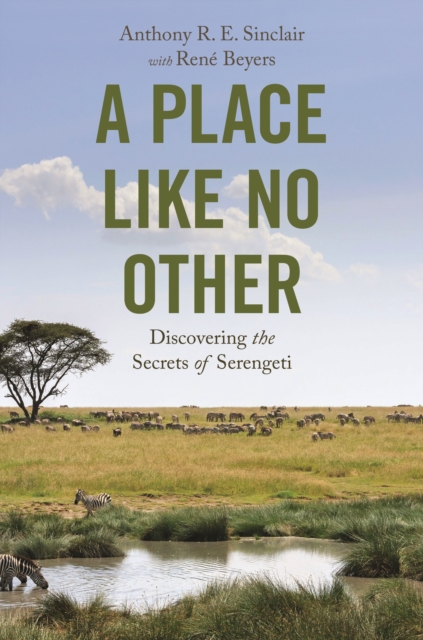
From famed zoologist Anthony Sinclair, an account of his decades-long quest to understand one of Earth's most spectacular ecosystemsWith its rich biodiversity, astounding wildlife, and breathtaking animal migrations, Serengeti is like no other ecosystem on the planet.
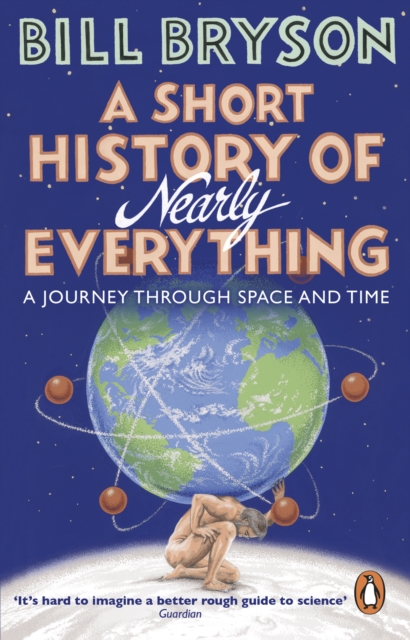
The ultimate eye-opening journey through time and space, A Short History of Nearly Everything is the biggest-selling popular science book of the 21st century and has sold over 2 million copies.
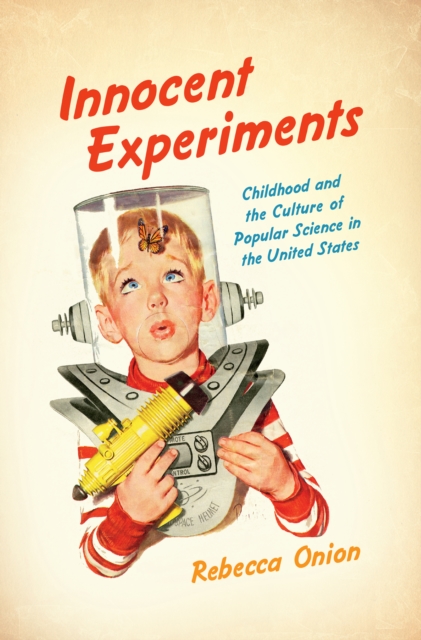
From the 1950s to the digital age, Americans have pushed their children to live science-minded lives, cementing scientific discovery and youthful curiosity as inseparable ideals.
In Let There Be Light, Howard Smith, a research astrophysicist and traditionally observant Jew, explores how modern scientific understandings of the cosmos complement Judaism's ancient mystical theology, the Kabbalah.
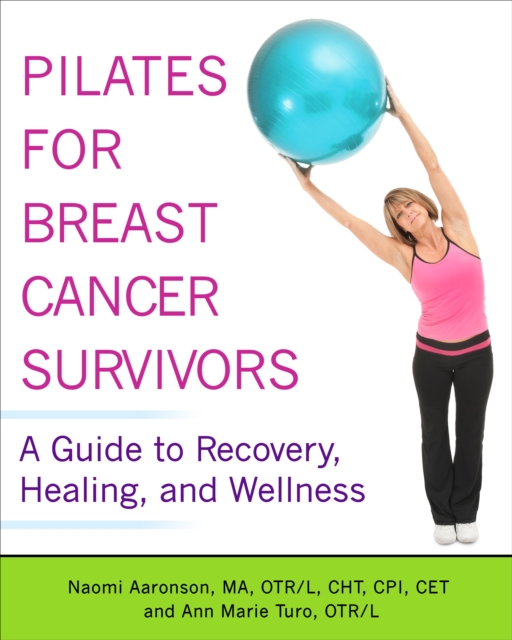
No matter where you are in treatment, what side effects you may be experiencing, or your general fitness level, Pilates is a safe and effective way to help you regain flexibility, power, and endurance while relieving treatment side effects such as lymphedema, fatigue, depression, peripheral neuropathy, osteoporosis, and upper extremity impairment.
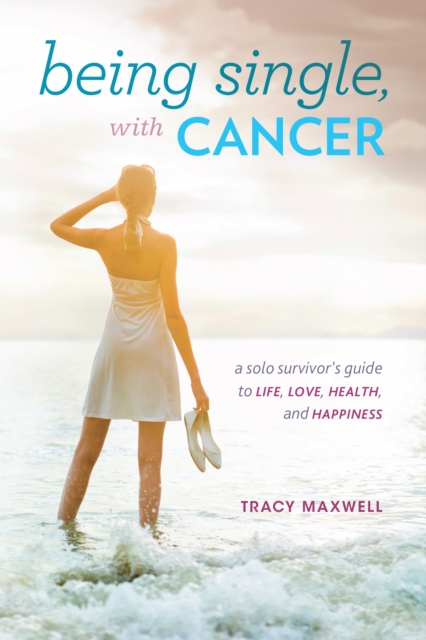
Filled with practical tips, resources and personal stories, an empowering and candid guide to dealing with cancer as a single person/p> Diagnosed with a rare form of ovarian cancer seven years ago, Tracy Maxwell understands the unique swirl of hopes and fears, insecurities and triumphs of a single person with cancer.
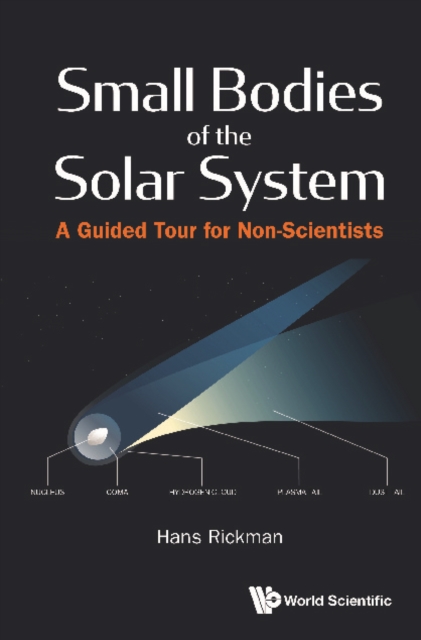
Amongst the famous planetary inhabitants of our solar system there is an entire ecosystem of smaller, less recognised bodies in the form of comets and 'minor' planets.
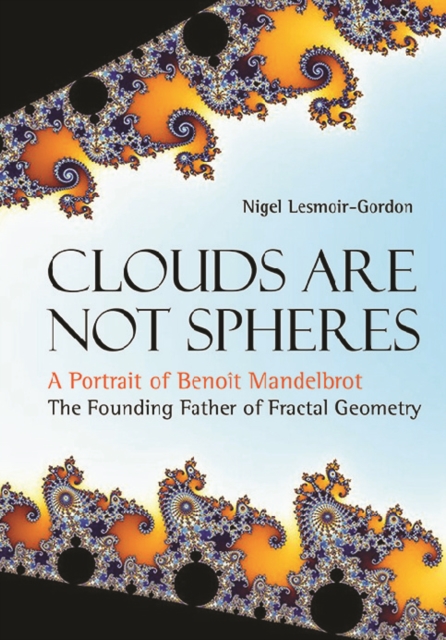
'The book is well-illustrated, earlier chapters with monochrome portraits of Mandelbrot, his family and those who influenced him, and later ones with striking colour pictures not only of the Mandelbrot set and other computer generated fractals, but also of areal fractals including cloud formations and rural and mountain scenes .
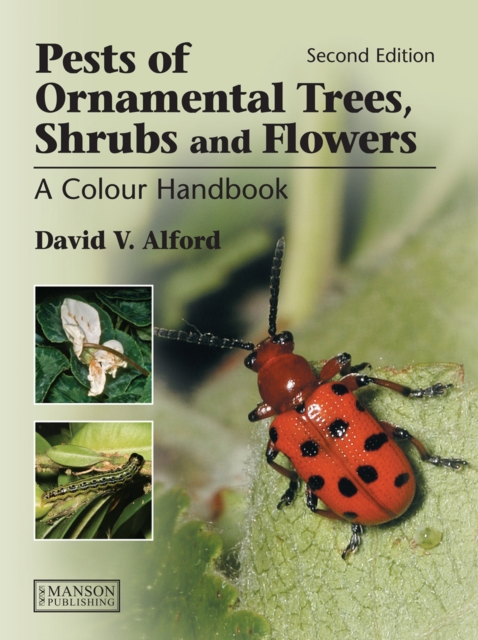
Ornamental trees, shrubs and flowers have always been extremely popular and there is large demand-whether in gardens or parks-for alpines, bedding plants, cacti, cut flowers, house plants and pot plants, as well as herbaceous plants, ornamental grasses, shrubs and trees.
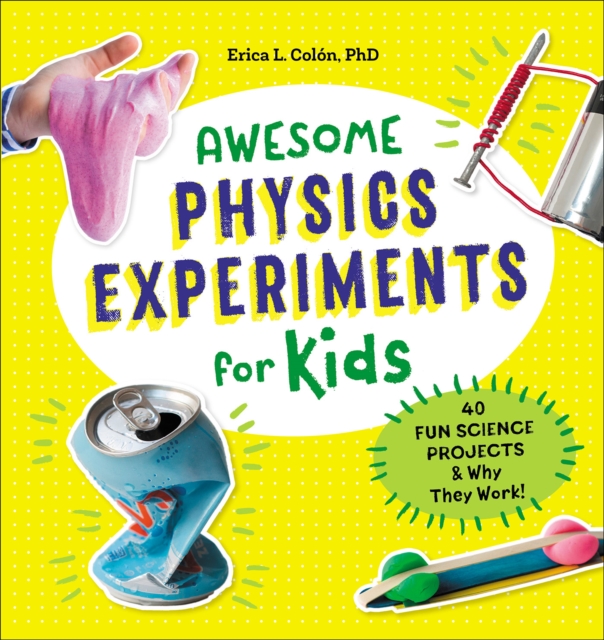
Get kids excited about physics with fun and easy experiments for ages 10 to 13 Turn living rooms into STEAM laboratories and watch as children have an awesome time learning about physics.
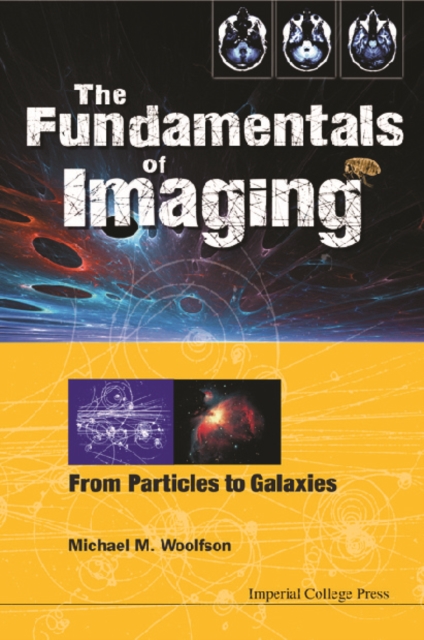
It is through images that we understand the form and function of material objects, from the fundamental particles that are the constituents of matter to galaxies that are the constituents of the Universe.
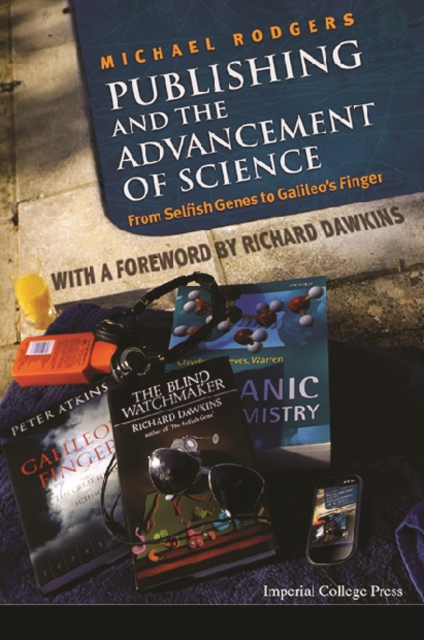
Popular science books, selling in their thousands - even millions - help us appreciate breakthroughs in understanding the natural world, while highlighting the cultural importance of scientific knowledge.
This book is an exploration of the integration-differentiation dynamics that result in a drive, or impulse, toward human sociality, arguing that our need to connect with other people is as fundamental as our need for food and shelter.
The book is a non fiction-based piece of popular science which unravels the amazing adaptive physiological responses that our bodies undergo as we push it to the limits in extreme sports and natural environments.
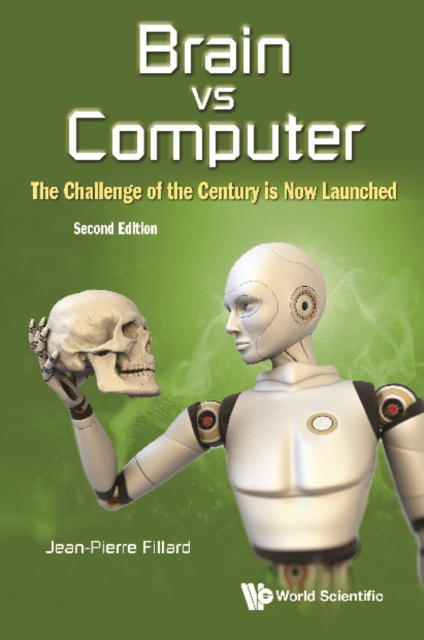
In this follow up to Brain vs Computer: The Challenge of the Century, Jean-Pierre Fillard brings together diverse perspectives to address the recurring theme of rivalry between man and machine.