Creatively and intellectually there is no other species that has ever come close to equalling humanity s achievements, but nor is any other species as suicidally prone to internecine conflict.
*; A balanced, comprehensive guide to routine childhood vaccinations that offers parents the information they need to make the right choices for their child.
A guide to coping with fibromyalgia, myofascial pain, and chronic fatigue syndrome *; Reveals how to deal with each disorder and how treatments can interact or aggravate if more than one disorder is present *; Offers techniques to dispel the side effects created by these illnesses Fibromyalgia, chronic myofascial pain, and chronic fatigue syndrome are often seen as interchangeable conditions, a belief held even by many health care providers.
The Four Horsemen - War, Pestilence, Famine and Death - first appeared in the Book of Revelations a thousand years ago, but they continue to track us in our own time.
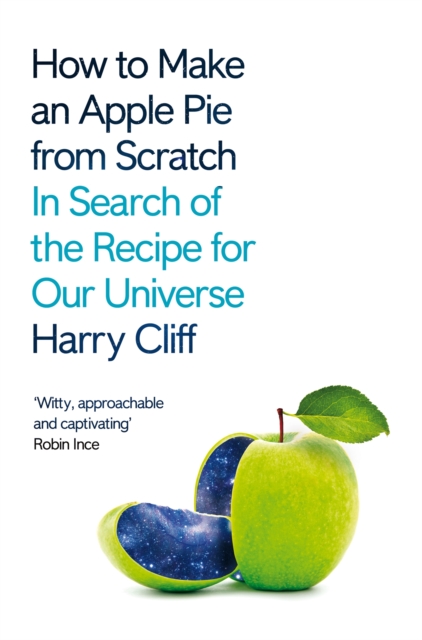
'If you wish to make an apple pie from scratch, you must first invent the universe' - Carl SaganInspired by Sagan's famous line, How To Make An Apple Pie From Scratch sets out on a journey to unearth everything we know about our universe: how it started, how we found out, and what we still have left to discover .
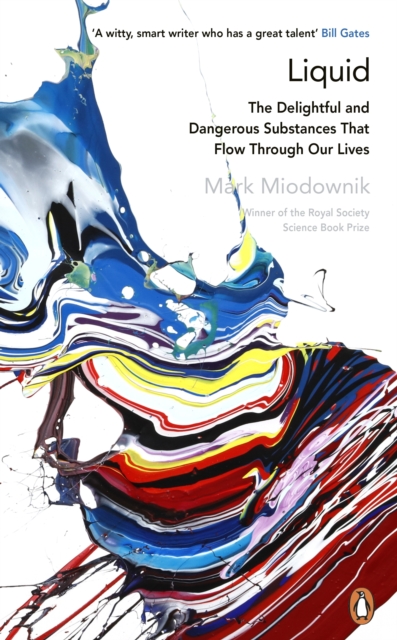
BY THE AUTHOR OF THE BESTSELLING, PRIZE-WINNING STUFF MATTERS Sometimes explosive, often delightful, occasionally poisonous, but always fascinating: the secret lives of liquids, from one of our best-known scientists________________A series of glasses of transparent liquids is in front of you: but which will quench your thirst and which will kill you?
_________________________*The* puzzle book of 2018, as featured in the Times, Daily Telegraph, BBC Radio 4, and BBC Breakfast, and a Guardian Book of the Year pick.
The author of the international bestseller The Sixth Extinction returns to humanity's transformative impact on the environment, now asking: after doing so much damage, can we change nature, this time to save it?
'Face to Face is not just a brilliant introduction to one of the most exacting areas of modern medicine, it's a humbling glimpse of humans at their best.
**SHORTLISTED FOR THE WELLCOME BOOK PRIZE****A GUARDIAN SCIENCE BOOK OF THE YEAR** Riveting invites comparison to Rebecca Skloot's The Immortal Life of Henrietta Lacks NatureThe epic and controversial story of a major breakthrough in cell biology that led to the conquest of rubella and other devastating diseases.
'A riveting ride through your own brain' - Adam Grant, New York Times bestselling author of OriginalsWINNER of the Society for Personality and Social Psychology's book prize for 'The Promotion of Social and Personality Science'If humans are fundamentally good, why do we engage in acts of great cruelty?
'In the same light-heartedly informative spirit as his previous Elemental, Tim James gives us an entertaining gallop through light years of space science, from the big bang to UFOs'Andrew Crumey, author of The Great Chain of UnbeingPRAISE FOR THE AUTHOR'Humorous, yet deep .
'The best book on codebreaking I have read', SIR DERMOT TURING 'Brings back the joy I felt when I first read about these things as a kid', PHIL ZIMMERMANN 'This is at last the single book on codebreaking that you must have.
'Stop following the news until you've read Gemma Milne's persuasive analysis of the hype and bullshit that distort our understanding of emerging science.
Fundamental does for physics what Tim's first book, Elemental, does for chemistry: it demystifies the topic in his trademark humorous, engaging style, including the most recent developments in the field.
On 12 October 1972, a Uruguayan Air Force plane carrying members of the 'Old Christians' rugby team (and many of their friends and family members) crashed into the Andes mountains.
Finalist for the Los Angeles Times Book Prize ** A Wall Street Journal Best Book of the Year Rust has been called ';the great destroyer,' the ';pervasive menace,' and ';the evil.
The New York Times bestselling ';manifesto for the future that is grounded in practical solutions addressing the world's most pressing concerns: overpopulation, food, water, energy, education, health care and freedom' (The Wall Street Journal).
In An Appetite for Wonder Richard Dawkins brought us his engaging memoir of the first 35 years of his life from early childhood in Africa to publication of The Selfish Gene in 1976, when he shot to fame as one of the most exciting new scientists of his generation.
'His clarity, wit and determination are evident, his understand and good humour moving' New ScientistMy Brief History recounts Stephen Hawking s improbable journey, from his post-war London boyhood to his years of international acclaim and celebrity.
Detective story, social history, human drama, The Deprat Affair recreates the hothouse atmosphere of colonial Indochina in the early twentieth century.
Richard Dawkins, Christopher Hitchens and Stephen Hawking have had a major impact on the loud and popular debate between 'aggressive atheists' and religion.