Back on the earth after three spaceflights, Chris Hadfield's captivating memoir An Astronaut's Guide to Life on Earth reveals extraordinary stories from his life as an astronaut, and shows how to make the impossible a reality.
The Lives Less Ordinary series brings you the most exciting, adventurous and entertaining true-life writing that is out there, for men who are time-poor but want the best.
Bryan Sykes, the world's first genetic archaeologist, takes us on a journey around the family tree of Britain and Ireland, to reveal how our tribal history still colours the country today.
Compared to the famously fecund rabbit, for whom a single act of coitus has a 90% chance of creating a litter of up to 12 rabbits, humans are very infertile animals.
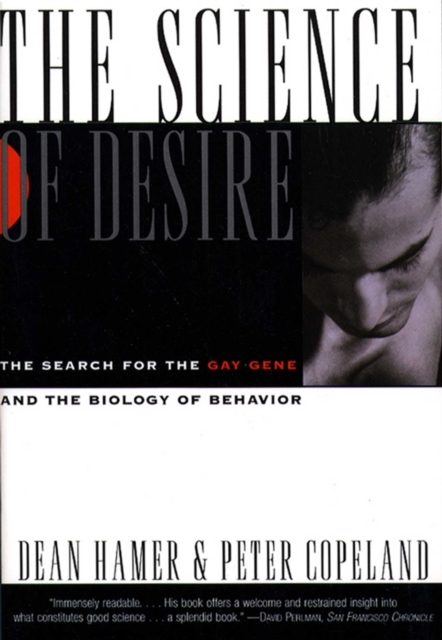
A compelling behind-the-scenes look at cutting-edge scientific inquiry, as well as a brilliant examination of the ramifications of genetic research, The Science of Desire is a lasting resource in the increasingly significant debate over the role that genetics plays in our lives.
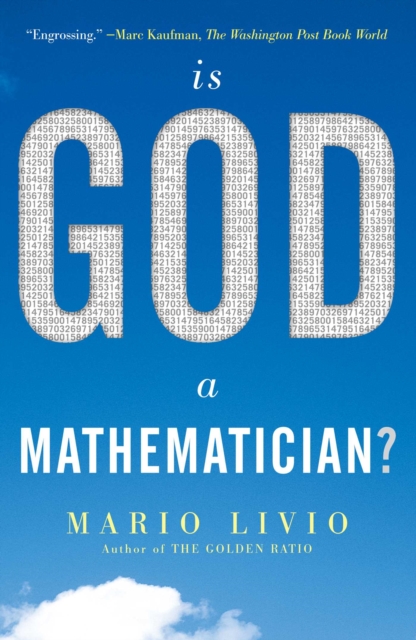
Bestselling author and astrophysicist Mario Livio examines the lives and theories of historys greatest mathematicians to ask howif mathematics is an abstract construction of the human mindit can so perfectly explain the physical world.
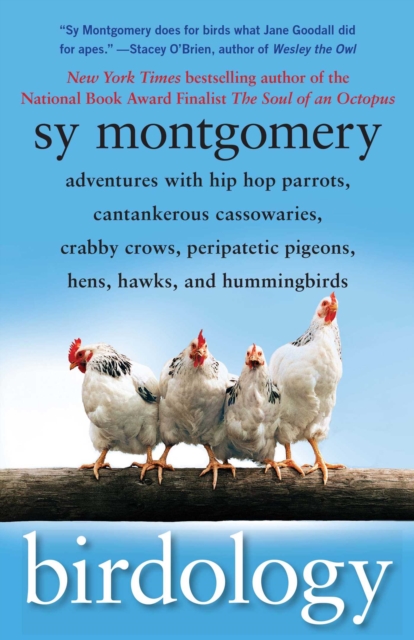
Meet the ladies: a flock of smart, affectionate, highly individualistic chickens who visit their favorite neighbors, devise different ways to hide from foxes, and mob the author like shes a rock star.
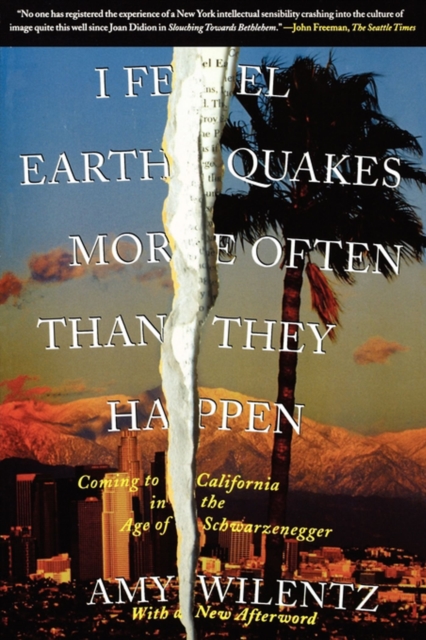
From one of our most astute contemporary writers, Amy Wilentz, comes an irreverent, inventive portrait of the state of California and its unlikely governor, Arnold Schwarzenegger.
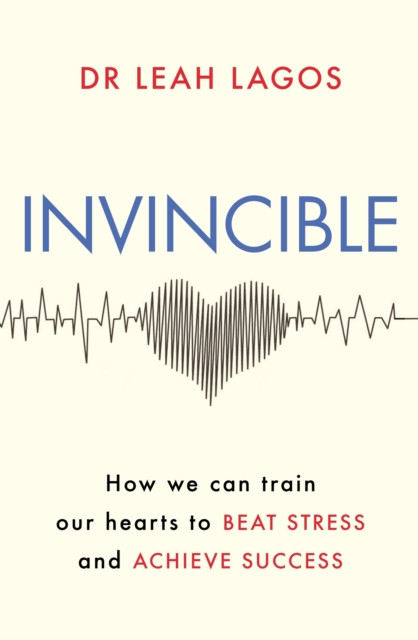
Stress is not in your head, it's in your heart - this is the key to peak performance that Dr Leah Lagos, an internationally known expert in biofeedback and sport and performance psychology, wants us to know.
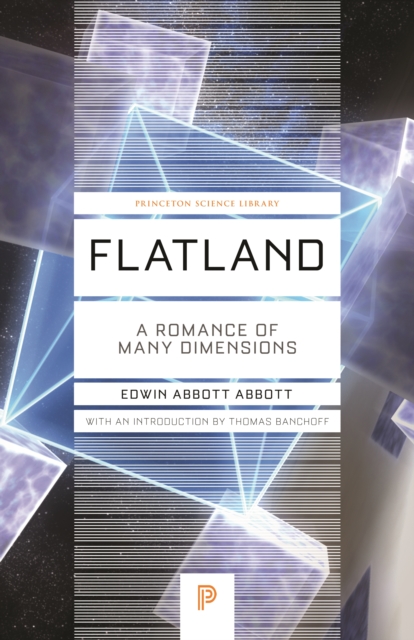
In 1884, Edwin Abbott Abbott wrote a mathematical adventure set in a two-dimensional plane world, populated by a hierarchical society of regular geometrical figures-who think and speak and have all too human emotions.
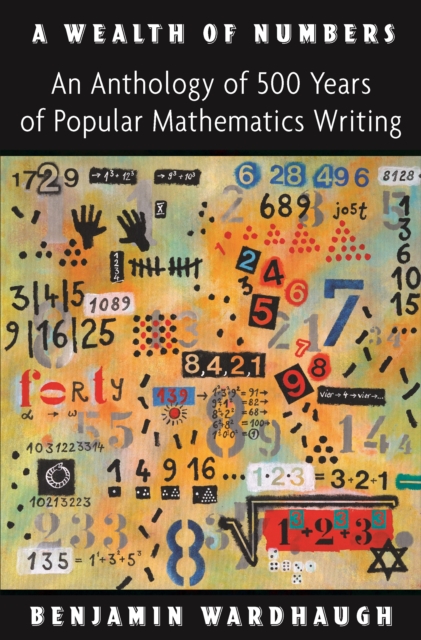
An entertaining and informative anthology of popular math writing from the Renaissance to cyberspaceDespite what we may sometimes imagine, popular mathematics writing didn't begin with Martin Gardner.
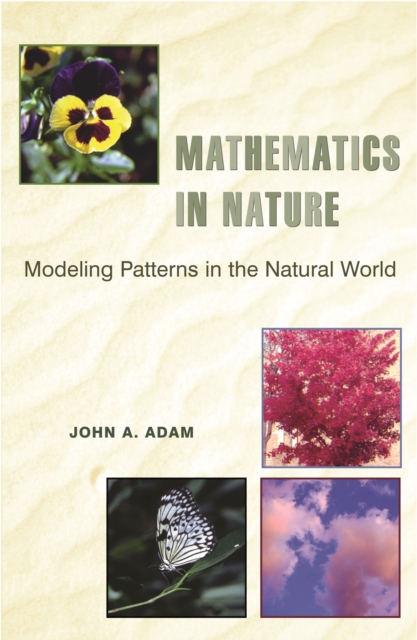
From rainbows, river meanders, and shadows to spider webs, honeycombs, and the markings on animal coats, the visible world is full of patterns that can be described mathematically.
From shark attack survivor to the shark's biggest advocate, Paul de Gelder tells us just why these majestic diverse animals need our help as much as we need them.
WINNER OF THE WAINWRIGHT PRIZE FOR CONSERVATION 2023The Sunday Times Science Book of the YearAs seen on Countryfile'If anyone was born to save Britain's rainforests, it was Guy Shrubsole' Sunday TimesShortlisted for the Richard Jefferies Society Literary PrizeTemperate rainforest may once have covered up to one-fifth of Britain, inspiring Celtic druids, Welsh wizards, Romantic poets, and Arthur Conan Doyle's most loved creations.
Collins Cambridge IGCSETM Biology provides complete coverage of the revised Cambridge IGCSE Biology syllabus (0610/0970) for examination from 2023 and is packed full of questions, in depth content, practical investigative skills features and more.
Collins Cambridge IGCSETM Physics provides complete coverage of the revised Cambridge IGCSE Physics syllabus (0625/0972) for examination from 2023 and is packed full of questions, in depth content, practical investigative skills features and more.
Inspire and engage your students with this Lower Secondary Science course from Collins offering comprehensive coverage of the new curriculum framework including suggested practical investigations and Thinking and Working Scientifically skills.
Inspire and engage your students with this Lower Secondary Science course from Collins offering comprehensive coverage of the new curriculum framework including suggested practical investigations and Thinking and Working Scientifically skills.
Inspire and engage your students with this Lower Secondary Science course from Collins offering comprehensive coverage of the new curriculum framework including suggested practical investigations and Thinking and Working Scientifically skills.
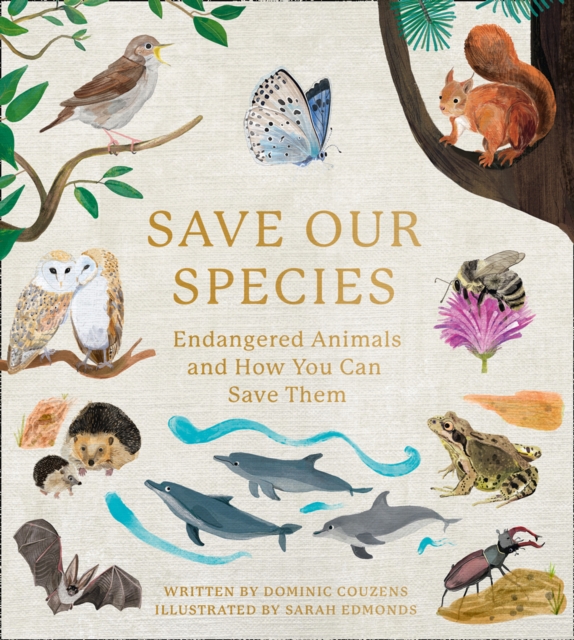
Whether you would like to learn how to build a bird box, dig a hedgehog tunnel or implement broader environmental changes in your community, this practical guide to saving our most endangered species will teach you how you can help on an individual, local and national level.
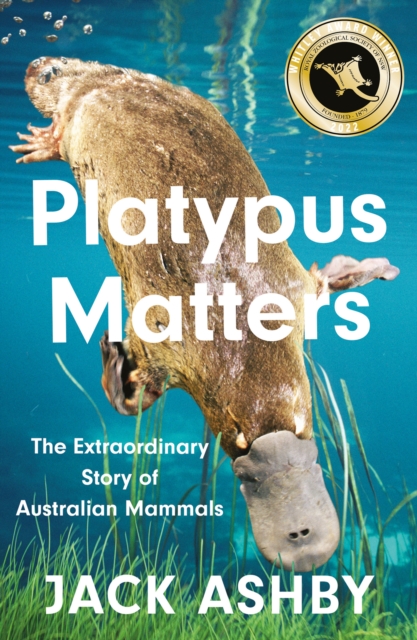
Winner of the Whitley Award for Best Natural History Book 2022A compelling, funny, first-hand account of Australia's wonderfully unique mammals and how our perceptions impact their future.
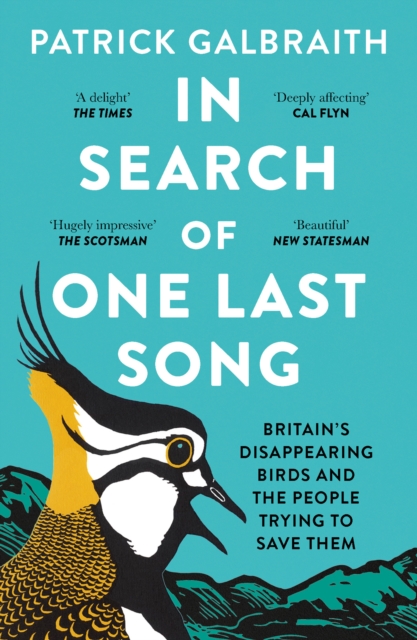
'Wonderful and enriching' Adam Nicolson'The best book on conservation and the countryside I have read in years' John Lewis-Stempel'A modern pastoral written with intelligence, wit and lyricism' Cal FlynOur wild places and wildlife are disappearing at a terrifying rate.
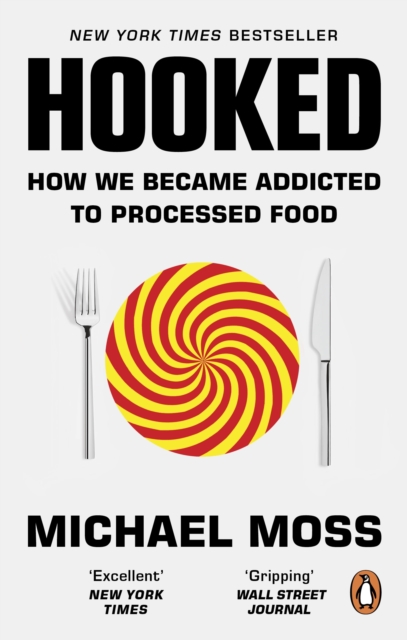
NEW YORK TIMES BESTSELLERFrom the #1 New York Times bestselling author of Salt Sugar Fat comes a "e;gripping"e; (The Wall Street Journal) expos of how the processed food industry exploits our evolutionary instincts, the emotions we associate with food, and legal loopholes in their pursuit of profit over public health.