This book describes the practice of radiation thermometry, both at a primary level and for a variety of applications, such as in the materials processing industries and remote sensing.
In this thoughtful social history of New Mexico's nuclear industry, Lucie Genay traces the scientific colonization of the state in the twentieth century from the points of view of the local people.
Some of the most original and productive research specialists in the field of particle-fluid flow systems are assembled in this book, which is an important and current reference volume.
Die großen Mysterien des Weltalls und unserer Erde: faszinierende Rätsel der Wissenschaft vom Autor des Sachbuch-Bestsellers »(Fast) Alles einfach erklärt«, Niklas Kolorz Was war vor dem Urknall?
THE SUNDAY TIMES BESTSELLER and RADIO 4 BOOK OF THE WEEK*An Economist, Financial Times, Times and New Statesman Book of the Year*Shortlisted for the FT Business Book of the Year Award and the British Academy Book Prize, Longlisted for the Wainwright Conservation Writing Prize'Compelling' TIM MARSHALL'Lively, rich and exciting' PETER FRANKOPAN'Vitally important' TIM HARFORD_____________Sand, salt, iron, copper, oil and lithium.
The national bestselling author of The Physics of Star Trek returns with an ';enthusiastic and entertaining' journey through the science of the cosmos (The Guardian, UK).
An in-depth look at the intersection of judgment and statistics in baseballScouting and scoring are considered fundamentally different ways of ascertaining value in baseball.
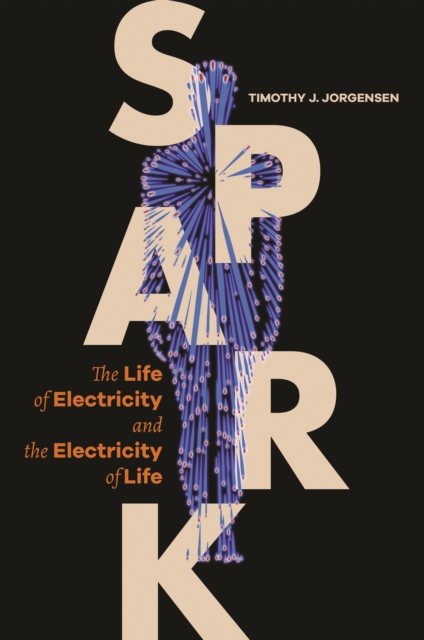
A fresh look at electricity and its powerful role in life on EarthWhen we think of electricity, we likely imagine the energy humming inside our home appliances or lighting up our electronic devices-or perhaps we envision the lightning-streaked clouds of a stormy sky.
From the classy blush of the Pink Lady to the sassy flush of the Cosmopolitan, the peach-pink perfection of the Bellini to the flashy-trashy confection of the Valentine Martini, Drink Pink is a pocket-sized collection of classic and contemporary cocktails in every shade of pink for every occasion.
AMAZON BEST BOOKS OF 2019 PICKFORTUNE WRITERS AND EDITORS' RECOMMENDED BOOKS OF 2019 PICK'A tour de force, an engrossing fusion of scholarly research, professional experience and revelations from intrepid firsthand reporting' -- New York TimesUSER FRIENDLY is a must-read for anyone who loves well-designed products-and for the innovators aspiring to make them.
Discover the incredible power of fonts - how they influence your decisions, alter your perceptions, stir your emotions and change how you understand the world.
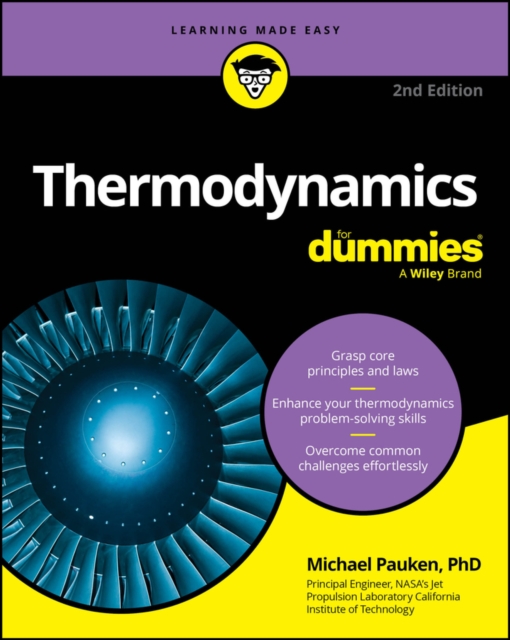
The thermodynamics knowledge you need to succeed in class and in your career Thermodynamics For Dummies, 2nd Edition covers the topics found in a typical undergraduate introductory thermodynamic course (which is an essential course to nearly all engineering degree programs).
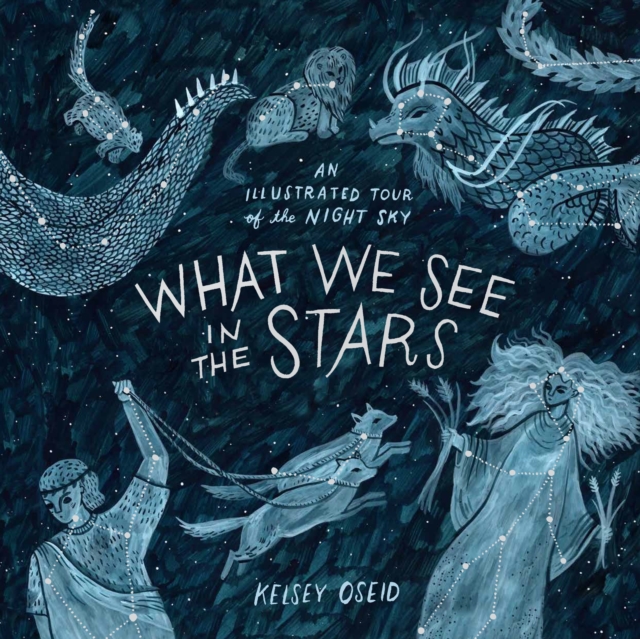
What We See in the Stars Kelsey Oseid is a richly illustrated guide to the myths, histories, and science of the celestial bodies of our solar system, with stories and information about constellations, planets, comets, the northern lights, and more.
With his trademark brand of bulldozer-banter, Twitter legend James Felton guides you through the most morbidly fascinating facts you'll then wish you could forget.
'Twisty and terrifying, LEAVE THE LIGHTS ON will keep you guessing until the end' B A Paris 'Utterly addictive' CRIME MONTHLY'A twisty, thoroughly modern thriller with a plot as smart as the deadly home it depicts' RACHEL EDWARDS'I was completely hooked from the start of this creepy, very contemporary thriller' SUE WATSON***WHAT REAL READERS SAY ABOUT EGAN HUGHES***"e;100% kept me on the edge of my seat"e; 5 stars"e; Intriguingly structured and plotted"e; 5 stars"e;Such a compelling book"e; 5 stars"e;A brilliant read"e; 5 stars"e;Had me guessing right until the end"e; 5 stars___________________Their new 'smart home' is Joe's dream.
Does an airline pilot really need to surrender his tweezers at airport security when he's about to board an aircraft equipped with an axe on the back of the cockpit door?
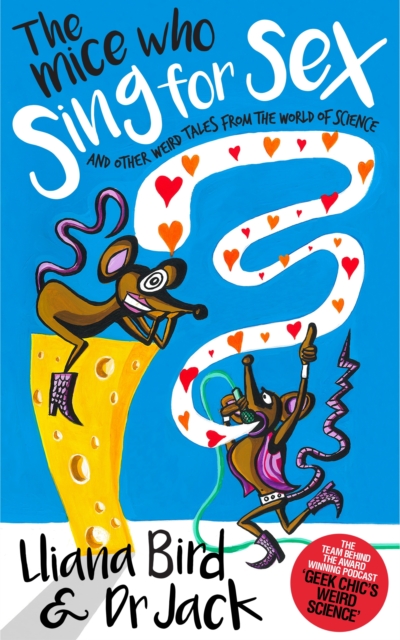
Lliana Bird and Dr Jack Lewis tackle the strange and surreal phenomena from the depths of the oceans to the limits of the far flung universe; the dark corners of your laundry basket to the forgotten compartments of your fridge.