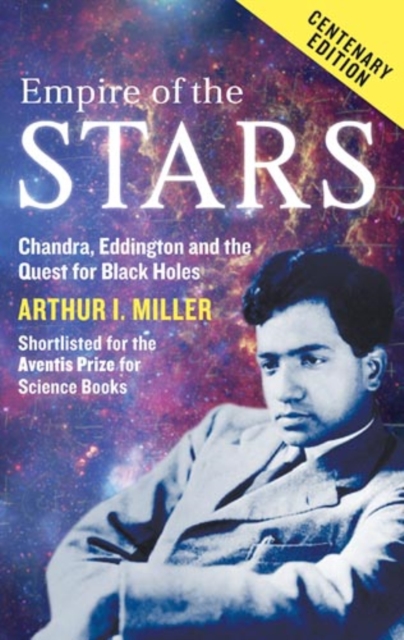
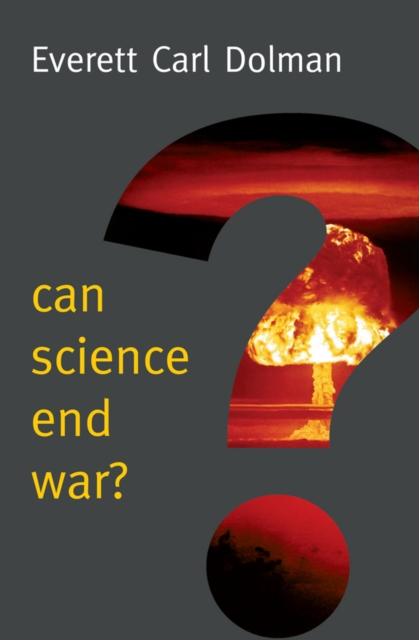
In August 1930, on a boat trip from Bombay to England, the young Indian scientist Subrahmanyan Chandrasekhar calculated that certain stars could end their lives by collapsing indefinitely to a point - to nowhere.
In this book Rajneesh Narula examines the interdependence of globalization and technological innovation at two levels: first, between locations, by examining the role of cross-border initiatives in the innovation process; second, between corporate entities, by studying the dynamics of inter-firm R&D collaboration.
Recent developments in biotechnology and genetic research are raising complex ethical questions concerning the legitimate scope and limits of genetic intervention.
Every arena of science has its own flash-point issues chemistry and poison gas, physics and the atom bomb and genetics has had a troubled history with race.
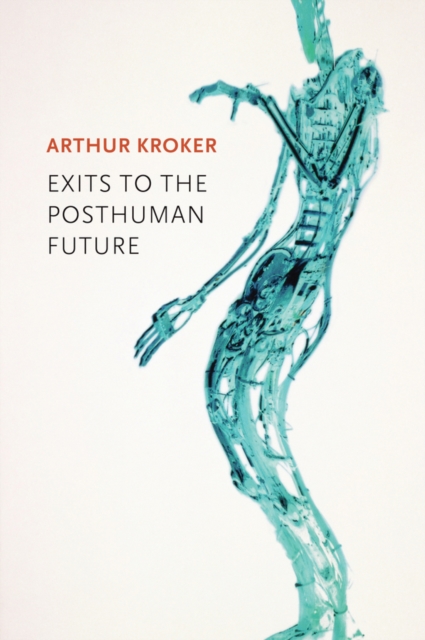
Exits to the Posthuman Future is media theory for a global digital society which thrives, and sometimes perishes, at the intersection of technologies of speed, distant ethics and a pervasive cultural anxiety.
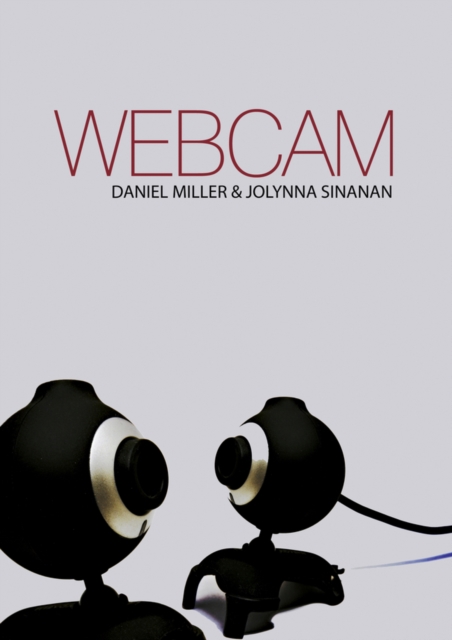
The use of webcam, especially through Skype, has recently become established as one more standard media technology, but so far there has been no attempt to assess its fundamental nature and consequences.
In this book Hilary Rose develops new terms for thinking about science and feminism, locating the feminist criticism of science as both integral to the feminist movement and to the radical science movement.
This book examines the implications of new communication technologies in the light of the most recent work in social and cultural theory and argues that new developments in electronic media, such as the Internet and Virtual Reality, justify the designation of a "e;second media age"e;.
A compelling history of science from 1900 to the present day, this is the first book to survey modern developments in science during a century of unprecedented change, conflict and uncertainty.
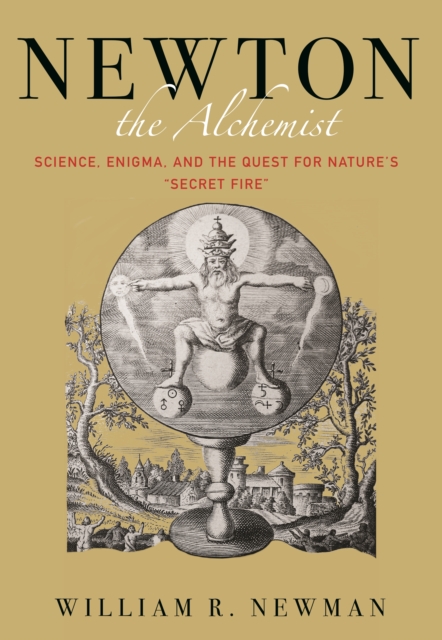
A book that finally demystifies Newton's experiments in alchemyWhen Isaac Newton's alchemical papers surfaced at a Sotheby's auction in 1936, the quantity and seeming incoherence of the manuscripts were shocking.
Among the great ironies of quantum mechanics is not only that its conceptual foundations seem strange even to the physicists who use it, but that philosophers have largely ignored it.
The visionary science behind the digital human twins that will enhance our health and our futureVirtual You is a panoramic account of efforts by scientists around the world to build digital twins of human beings, from cells and tissues to organs and whole bodies.
In Zero Degrees of Empathy: A New Theory of Human Cruelty and Kindness Simon Baron-Cohen takes fascinating and challenging new look at what exactly makes our behaviour uniquely human.
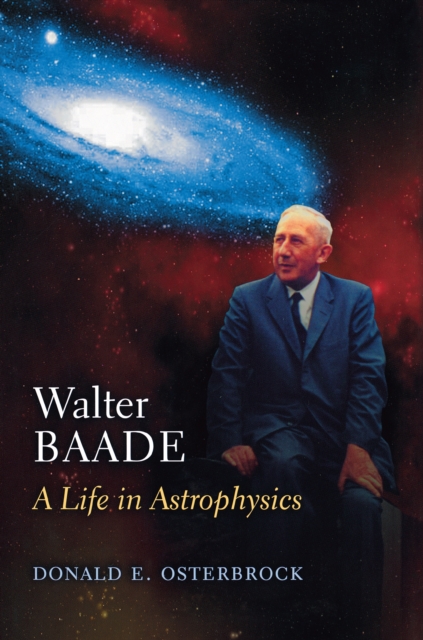
Although less well known outside the field than Edwin Hubble, Walter Baade was arguably the most influential observational astronomer of the twentieth century.
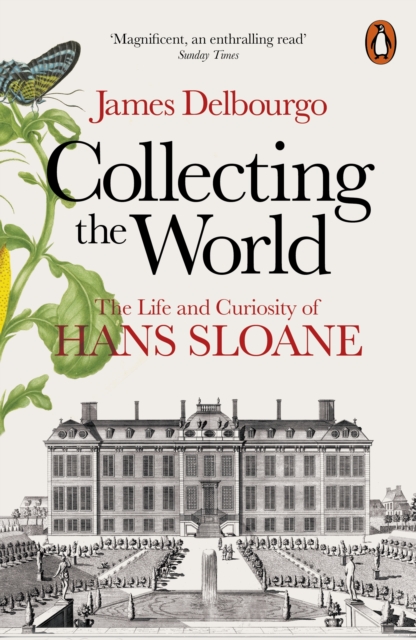
Hans Sloane was a young doctor from Northern Ireland who made his way in London and eventually become physician to the king and much of London society.
An authoritative interdisciplinary account of the historic discovery of gravitational wavesIn 1915, Albert Einstein predicted the existence of gravitational waves-ripples in the fabric of spacetime caused by the movement of large masses-as part of the theory of general relativity.
Among the great ironies of quantum mechanics is not only that its conceptual foundations seem strange even to the physicists who use it, but that philosophers have largely ignored it.
A bold and revolutionary perspective on the science and cultural history of menstruationMenstruation is something half the world does for a week at a time, for months and years on end, yet it remains largely misunderstood.
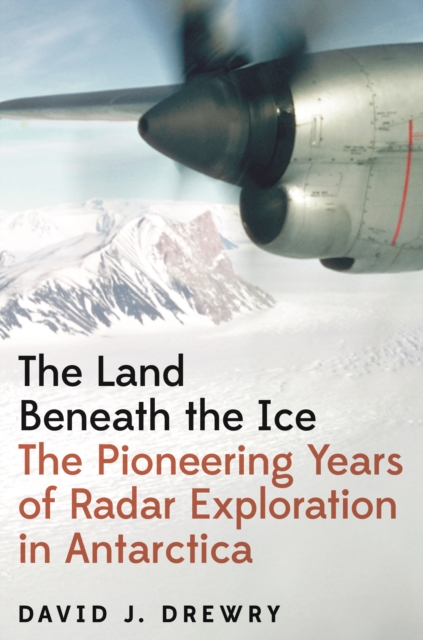
A wondrous story of scientific endeavorprobing the great ice sheets of AntarcticaFrom the moment explorers set foot on the ice of Antarctica in the early nineteenth century, they desired to learn what lay beneath.
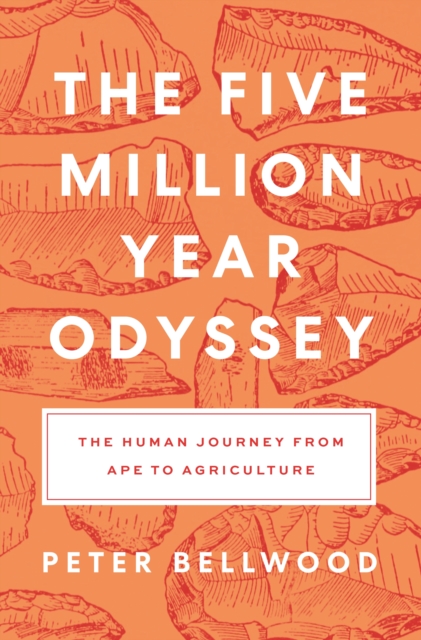
The epic story of human evolution, from our primate beginnings more than five million years ago to the agricultural eraOver the course of five million years, our primate ancestors evolved from a modest population of sub-Saharan apes into the globally dominant species Homo sapiens.
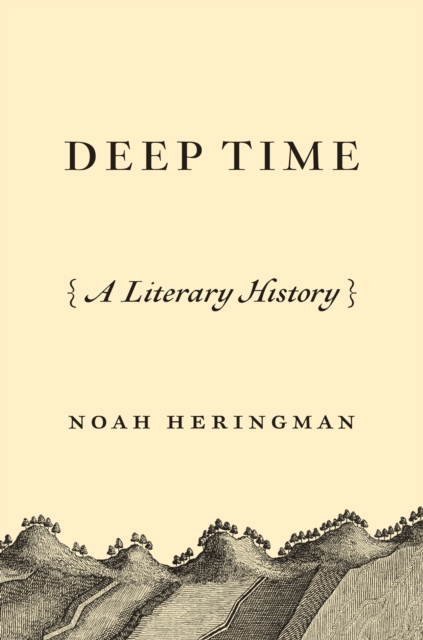
How the concept of ';deep time' began as a metaphor used by philosophers, poets, and naturalists in the eighteenth and nineteenth centuriesIn this interdisciplinary book, Noah Heringman argues that the concept of ';deep time'most often associated with geological epochsbegan as a metaphorical language used by philosophers, poets, and naturalists of the eighteenth and nineteenth centuries to explore the origins of life beyond the written record.
A meticulously researched history on the development of American mathematics in the three decades following World War IAs the Roaring Twenties lurched into the Great Depression, to be followed by the scourge of Nazi Germany and World War II, American mathematicians pursued their research, positioned themselves collectively within American science, and rose to global mathematical hegemony.
A fresh look at electricity and its powerful role in life on EarthWhen we think of electricity, we likely imagine the energy humming inside our home appliances or lighting up our electronic devices-or perhaps we envision the lightning-streaked clouds of a stormy sky.