From the Nobel Prizewinning physicist, a personal meditation on the quest for objective reality in natural scienceA century ago, thoughtful people questioned how reality could agree with physical theories that kept changing, from a mechanical model of the ether to electric and magnetic fields, and from homogeneous matter to electrons and atoms.
"e;Only a wayfarer born under unruly stars would attempt to put into practice in our epoch of proliferating knowledge the Heraclitean dictum that `men who love wisdom must be inquirers into very many things indeed.
A pocket-style edition based on the New York Times bestsellerA Brief Welcome to the Universe offers a breathtaking tour of the cosmos, from planets, stars, and galaxies to black holes and time loops.
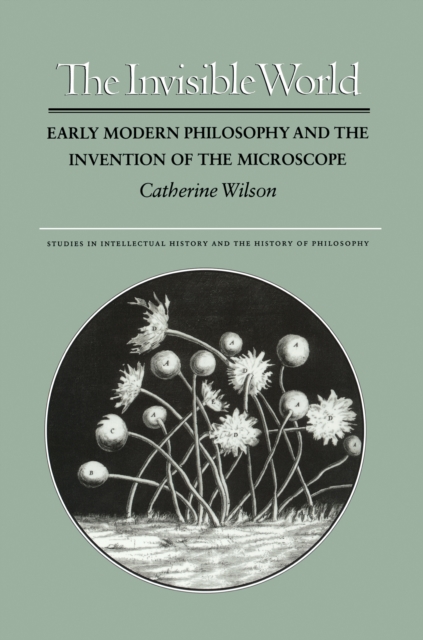
In the seventeenth century the microscope opened up a new world of observation, and, according to Catherine Wilson, profoundly revised the thinking of scientists and philosophers alike.
The philosophical theory of scientific explanation proposed here involves a radically new treatment of causality that accords with the pervasively statistical character of contemporary science.
By the 1920s in Central Europe, it had become a truism among intellectuals that natural science had "e;disenchanted"e; the world, and in particular had reduced humans to mere mechanisms, devoid of higher purpose.
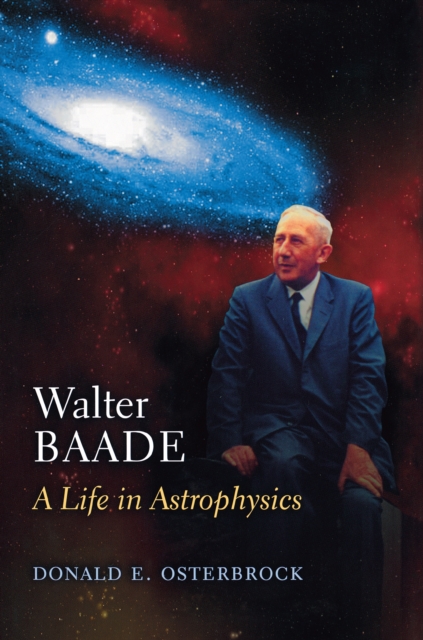
Although less well known outside the field than Edwin Hubble, Walter Baade was arguably the most influential observational astronomer of the twentieth century.
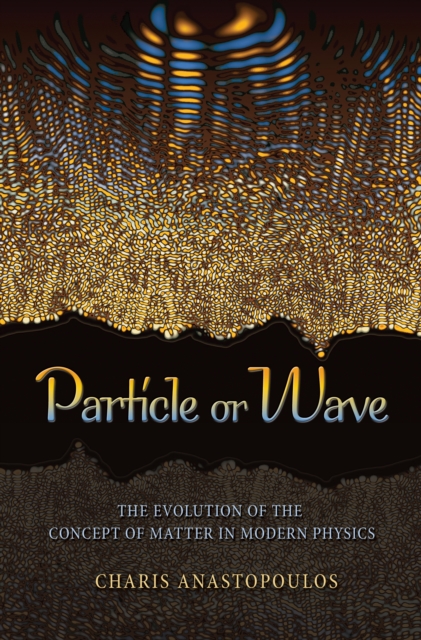
Particle or Wave is the first popular-level book to explain the origins and development of modern physical concepts about matter and the controversies surrounding them.
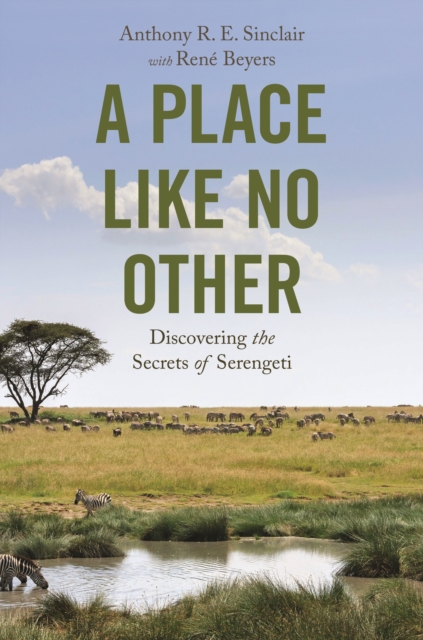
From famed zoologist Anthony Sinclair, an account of his decades-long quest to understand one of Earth's most spectacular ecosystemsWith its rich biodiversity, astounding wildlife, and breathtaking animal migrations, Serengeti is like no other ecosystem on the planet.
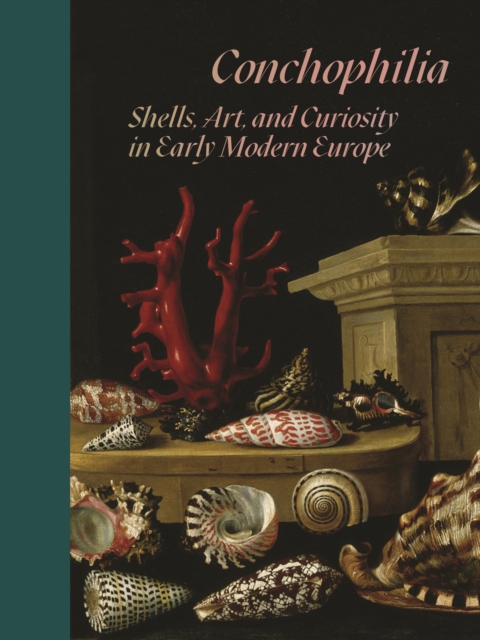
A captivating historical look at the cultural and artistic significance of shells in early modern EuropeAmong nature's most artful creations, shells have long inspired the curiosity and passion of artisans, artists, collectors, and thinkers.
A savory account of how the pursuit of delicious foods shaped human evolutionNature, it has been said, invites us to eat by appetite and rewards by flavor.
By explaining how to sire multicolored horses, produce nuts without shells, and create an egg the size of a human head, Giambattista Della Porta's Natural Magic (1559) conveys a fascination with tricks and illusions that makes it a work difficult for historians of science to take seriously.
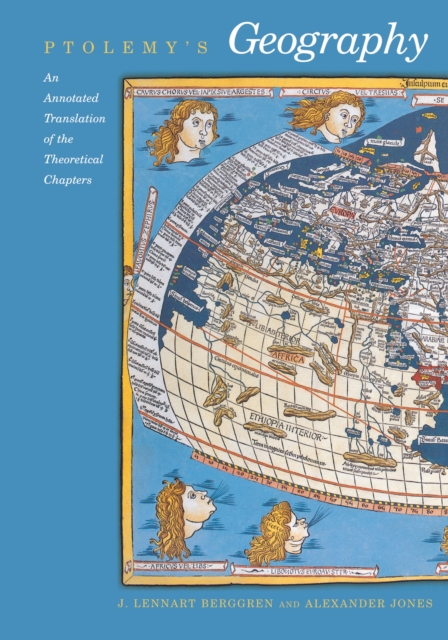
Ptolemy's Geography is the only book on cartography to have survived from the classical period and one of the most influential scientific works of all time.
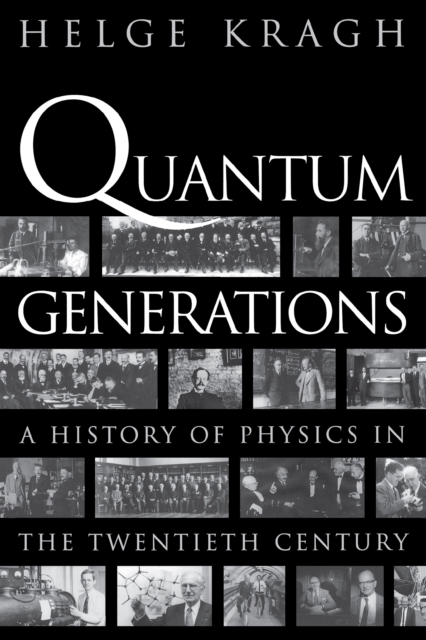
At the end of the nineteenth century, some physicists believed that the basic principles underlying their subject were already known, and that physics in the future would only consist of filling in the details.
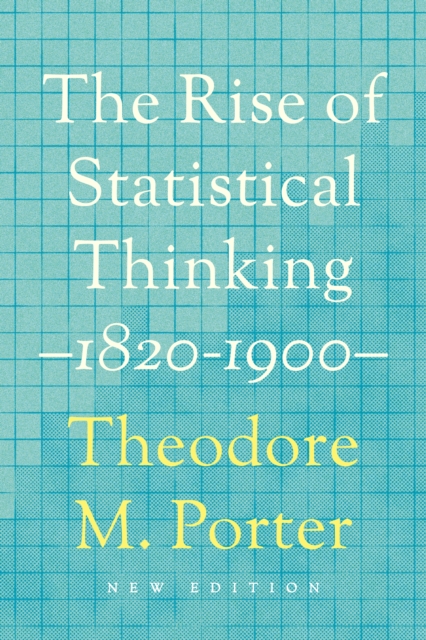
An essential work on the origins of statisticsThe Rise of Statistical Thinking, 1820-1900 explores the history of statistics from the field's origins in the nineteenth century through to the factors that produced the burst of modern statistical innovation in the early twentieth century.
How the internet and powerful online tools are democratizing and accelerating scientific discoveryReinventing Discovery argues that we are living at the dawn of the most dramatic change in science in more than three hundred years.
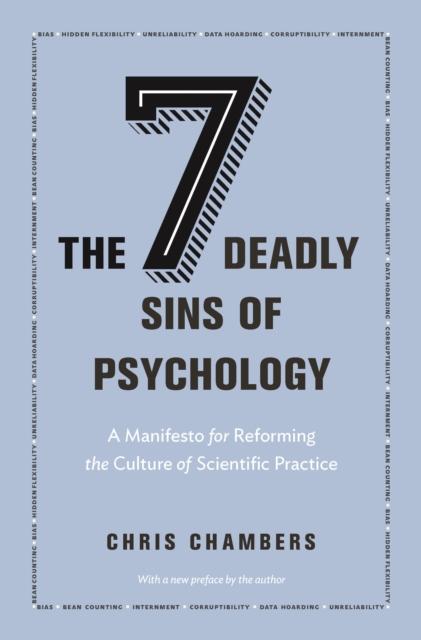
Why psychology is in peril as a scientific discipline-and how to save itPsychological science has made extraordinary discoveries about the human mind, but can we trust everything its practitioners are telling us?
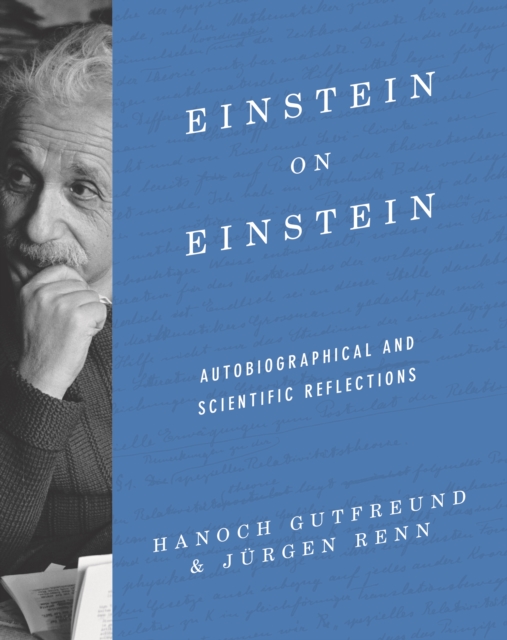
New perspectives on the iconic physicist's scientific and philosophical formationAt the end of World War II, Albert Einstein was invited to write his intellectual autobiography for the Library of Living Philosophers.
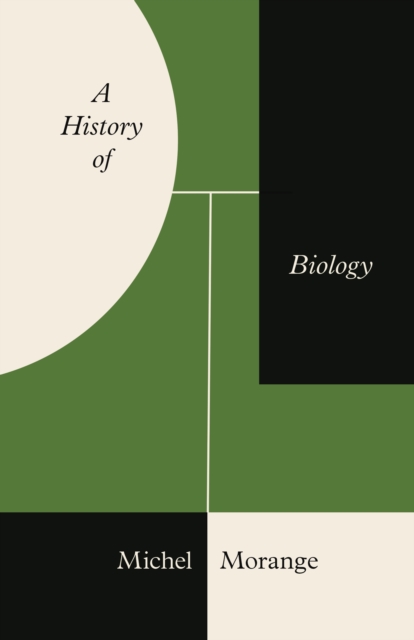
A comprehensive history of the biological sciences from antiquity to the modern eraThis book presents a global history of the biological sciences from ancient times to today, providing needed perspective on the development of biological thought while shedding light on the field's upheavals and key breakthroughs through the ages.
An in-depth look at the intersection of judgment and statistics in baseballScouting and scoring are considered fundamentally different ways of ascertaining value in baseball.
A handsome annotated edition of Einstein's celebrated book on relativityAfter completing the final version of his general theory of relativity in November 1915, Albert Einstein wrote Relativity.
A practical guide to making good decisions in a world of missing dataIn the era of big data, it is easy to imagine that we have all the information we need to make good decisions.
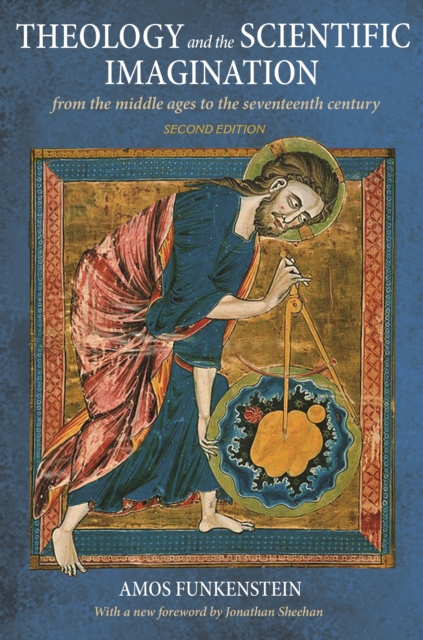
Theology and the Scientific Imagination is a pioneering work of intellectual history that transformed our understanding of the relationship between Christian theology and the development of science.
The genesis of the digital idea and why it transformed civilizationA few short decades ago, we were informed by the smooth signals of analog television and radio; we communicated using our analog telephones; and we even computed with analog computers.
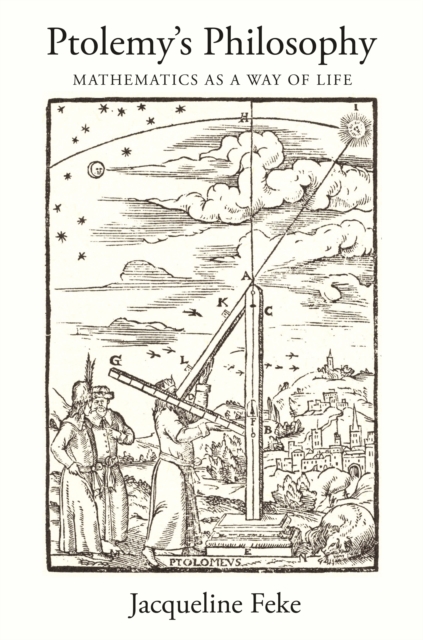
A stimulating intellectual history of Ptolemy's philosophy and his conception of a world in which mathematics reigns supremeThe Greco-Roman mathematician Claudius Ptolemy is one of the most significant figures in the history of science.
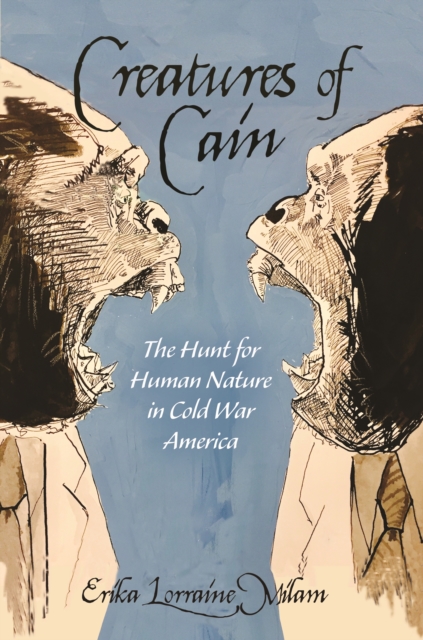
How Cold War America came to attribute human evolutionary success to our species' unique capacity for murderAfter World War II, the question of how to define a universal human nature took on new urgency.
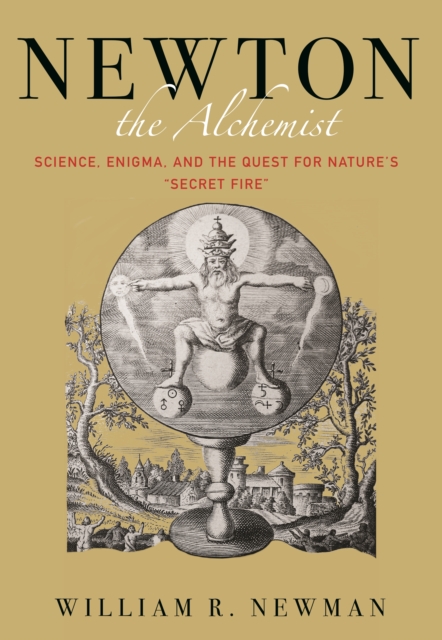
A book that finally demystifies Newton's experiments in alchemyWhen Isaac Newton's alchemical papers surfaced at a Sotheby's auction in 1936, the quantity and seeming incoherence of the manuscripts were shocking.
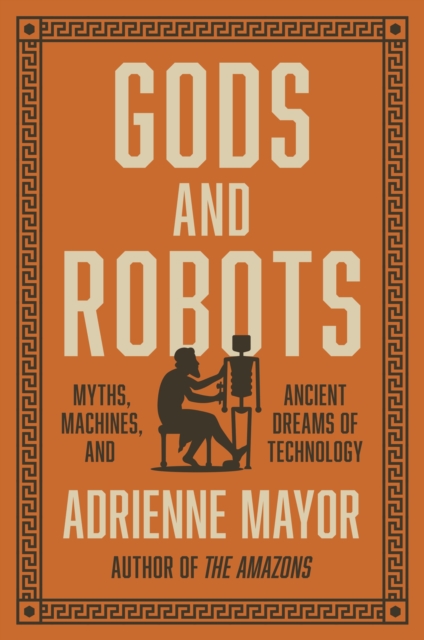
The fascinating untold story of how the ancients imagined robots and other forms of artificial life-and even invented real automated machines The first robot to walk the earth was a bronze giant called Talos.
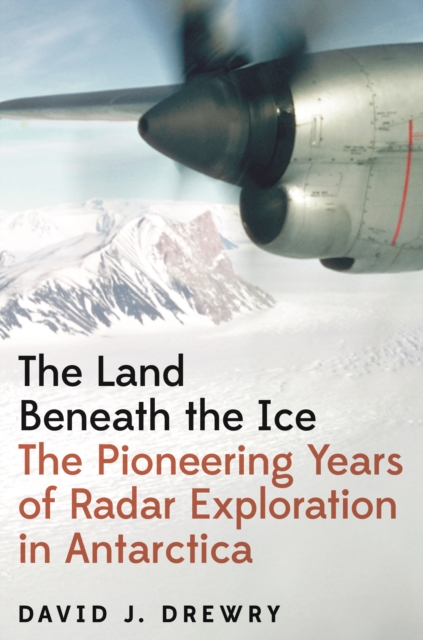
A wondrous story of scientific endeavorprobing the great ice sheets of AntarcticaFrom the moment explorers set foot on the ice of Antarctica in the early nineteenth century, they desired to learn what lay beneath.
A stimulating intellectual history of Ptolemy's philosophy and his conception of a world in which mathematics reigns supremeThe Greco-Roman mathematician Claudius Ptolemy is one of the most significant figures in the history of science.
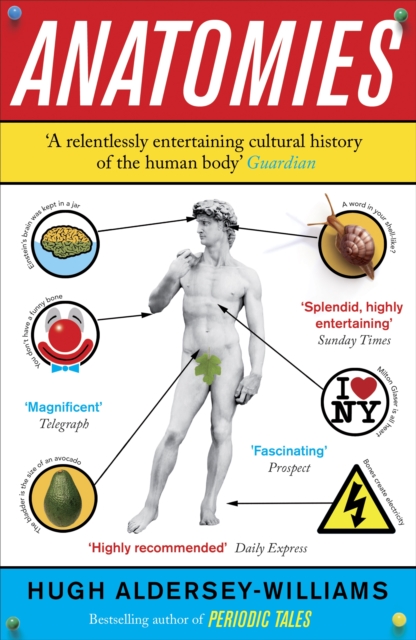
The Sunday Times Science Book of the Year, Anatomies by Hugh Aldersey-Williams, author of bestseller Periodic Tales, is a splendidly entertaining journey through the art, science, literature and history of the human body.
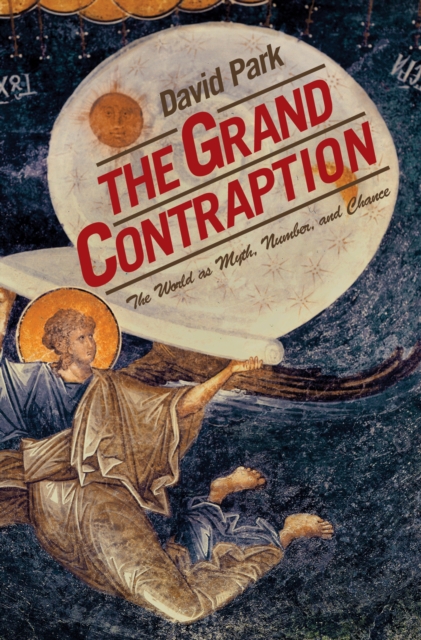
The Grand Contraption tells the story of humanity's attempts through 4,000 years of written history to make sense of the world in its cosmic totality, to understand its physical nature, and to know its real and imagined inhabitants.
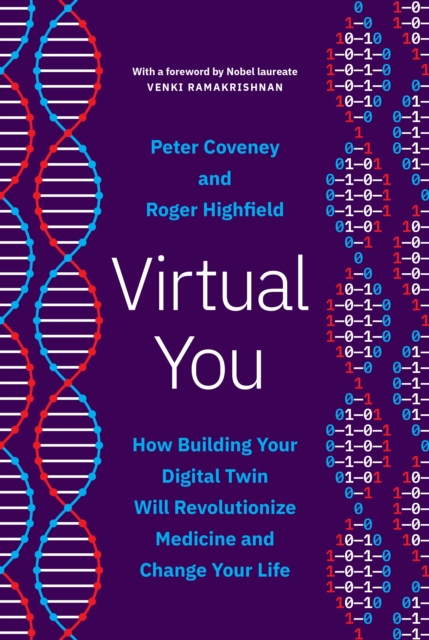
The visionary science behind the digital human twins that will enhance our health and our futureVirtual You is a panoramic account of efforts by scientists around the world to build digital twins of human beings, from cells and tissues to organs and whole bodies.
From the Nobel Prizewinning physicist, a personal meditation on the quest for objective reality in natural scienceA century ago, thoughtful people questioned how reality could agree with physical theories that kept changing, from a mechanical model of the ether to electric and magnetic fields, and from homogeneous matter to electrons and atoms.