The phenomenal international bestseller that shows us how to stop trying to predict everything - and take advantage of uncertaintyWhat have the invention of the wheel, Pompeii, the Wall Street Crash, Harry Potter and the internet got in common?
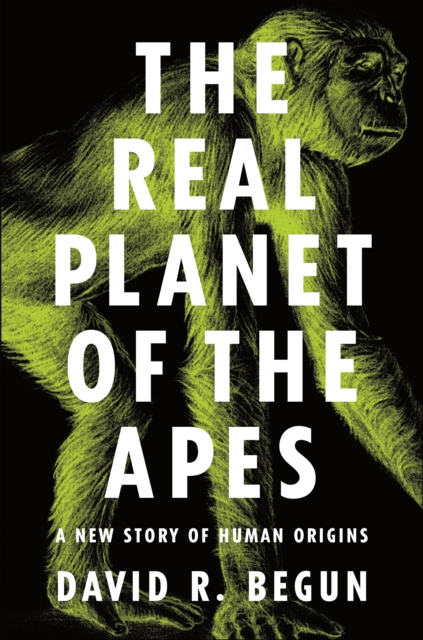
How Cold War America came to attribute human evolutionary success to our species' unique capacity for murderAfter World War II, the question of how to define a universal human nature took on new urgency.
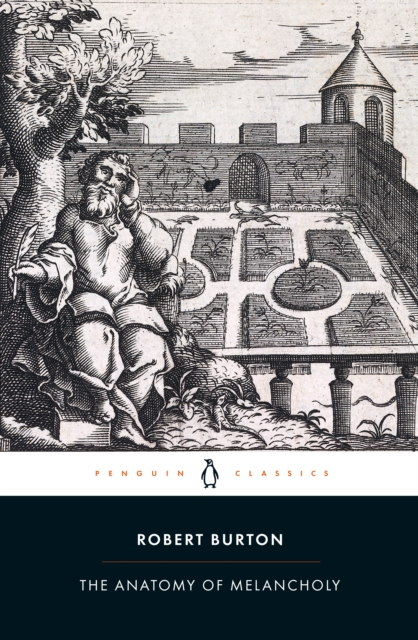
'The best book ever written' Nicholas Lezard, GuardianRobert Burton's labyrinthine, beguiling, playful masterpiece is his attempt to 'anatomize and cut up' every aspect of the condition of melancholy, from which he had suffered throughout his life.
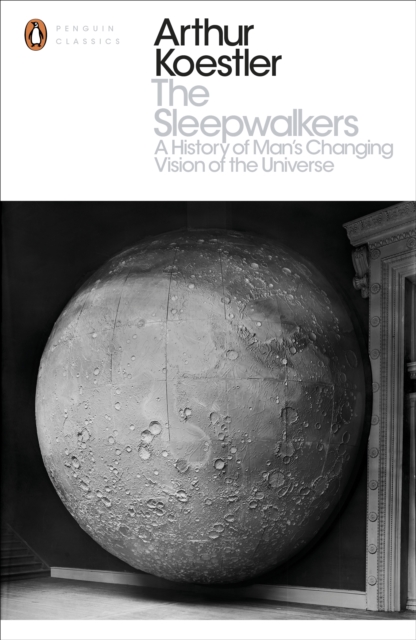
Arthur Koestler's extraordinary history of humanity's changing vision of the universeIn this masterly synthesis, Arthur Koestler cuts through the sterile distinction between 'sciences' and 'humanities' to bring to life the whole history of cosmology from the Babylonians to Newton.
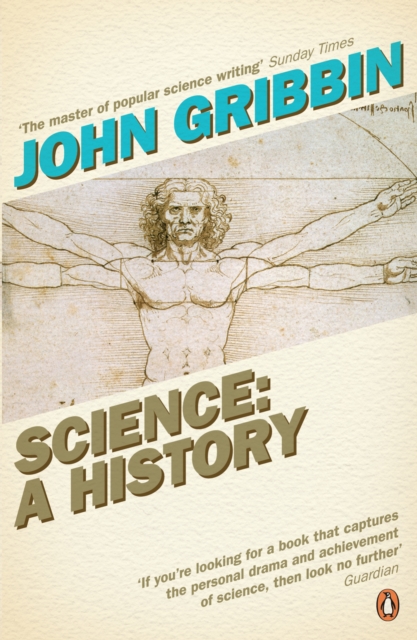
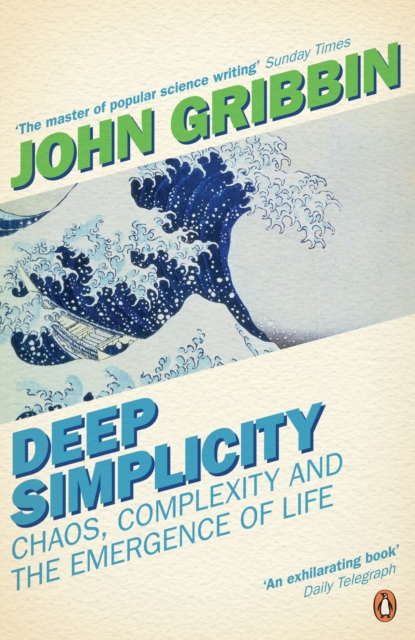
'Gribbin takes us through the basics with his customary talent for accessibility and clarity' Sunday TimesThe world around us can be a complex, confusing place.
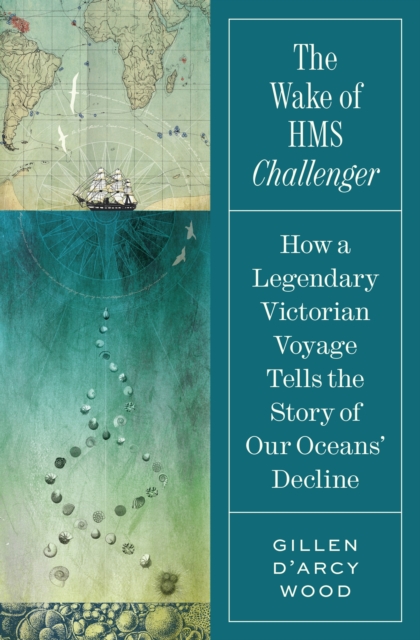
A scientific adventure story that dramatizes how profoundly our oceans have changed over the past 150 yearsIn December 1872, HMS Challenger embarked on the first round-the-world oceanographic expedition.
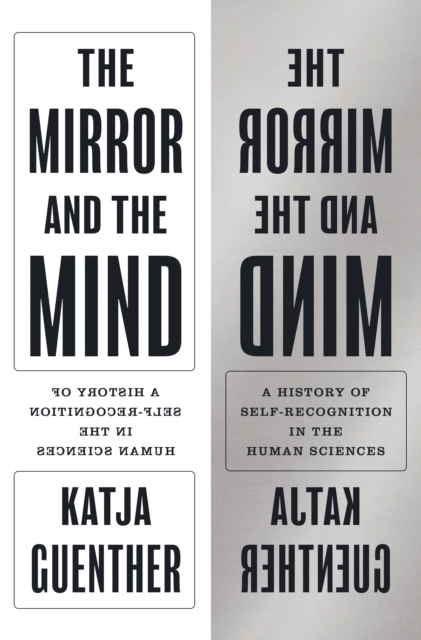
How the classic mirror test served as a portal for scientists to explore questions of self-awarenessSince the late eighteenth century, scientists have placed subjects-humans, infants, animals, and robots-in front of mirrors in order to look for signs of self-recognition.
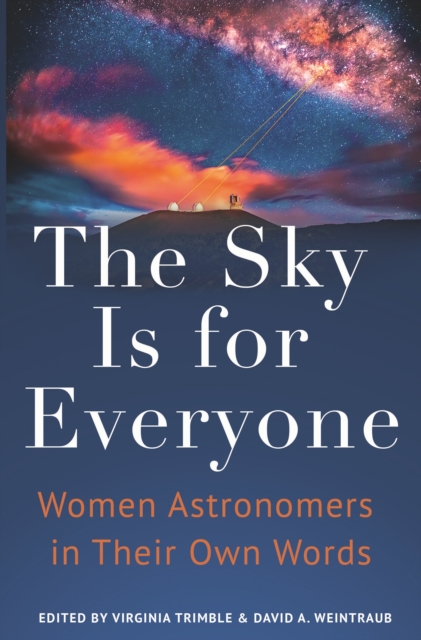
An inspiring anthology of writings by trailblazing women astronomers from around the globeThe Sky Is for Everyone is an internationally diverse collection of autobiographical essays by women who broke down barriers and changed the face of modern astronomy.
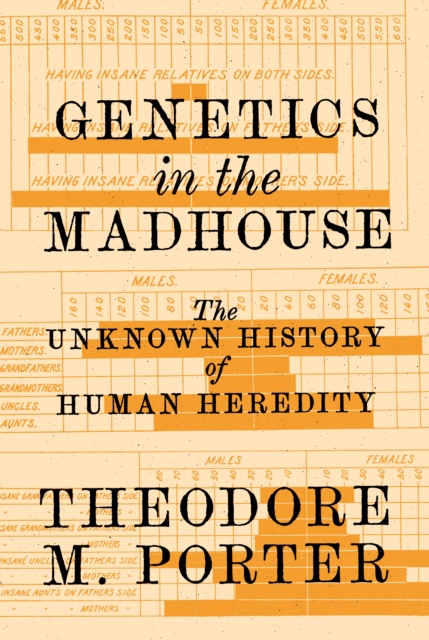
The untold story of how hereditary data in mental hospitals gave rise to the science of human heredityIn the early 1800s, a century before there was any concept of the gene, physicians in insane asylums began to record causes of madness in their admission books.
How the latest cutting-edge science offers a fuller picture of life in Rome and antiquityThis groundbreaking book provides the first comprehensive look at how the latest advances in the sciences are transforming our understanding of ancient Roman history.
By the 1920s in Central Europe, it had become a truism among intellectuals that natural science had "e;disenchanted"e; the world, and in particular had reduced humans to mere mechanisms, devoid of higher purpose.
Technology, perhaps the most salient feature of our time, affects everything from jobs to international law yet ranks among the most unpredictable facets of human life.
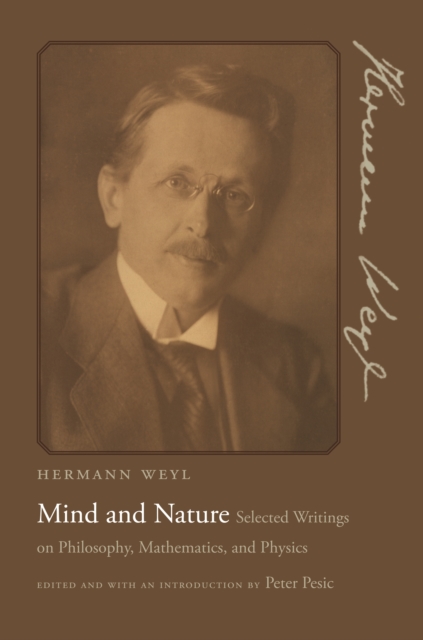
Hermann Weyl (1885-1955) was one of the twentieth century's most important mathematicians, as well as a seminal figure in the development of quantum physics and general relativity.
How the specter of climate has been used to explain history since antiquityScientists, journalists, and politicians increasingly tell us that human impacts on climate constitute the single greatest threat facing our planet and may even bring about the extinction of our species.
The case for a thoughtful secularism from some of today's most distinguished scientists, philosophers, and writersCan secularism offer us moral, aesthetic, and spiritual satisfaction?
Physics in the Arts is a concise, 328-page four-color entry in the Complementary Science Series, designed for science enthusiasts and liberal arts students requiring or desiring a well-developed discussion of physical phenomena, particularly with regard to sound and light.
Designing Science Presentations guides researchers and graduate students of virtually any discipline in the creation of compelling science communication.
The updated and much expanded 3e of the Handbook of Radioactivity Analysis is an authoritative reference providing the principles, practical techniques, and procedures for the accurate measurement of radioactivity from the very low levels encountered in the environment to higher levels measured in radioisotope research, clinical laboratories, biological sciences, radionuclide standardization, nuclear medicine, nuclear power, and fuel cycle facilities and in the implementation of nuclear forensic analysis and nuclear safeguards.
Chemical Analysis of Food: Techniques and Applications reviews new technology and challenges in food analysis from multiple perspectives: a review of novel technologies being used in food analysis, an in-depth analysis of several specific approaches, and an examination of the most innovative applications and future trends.
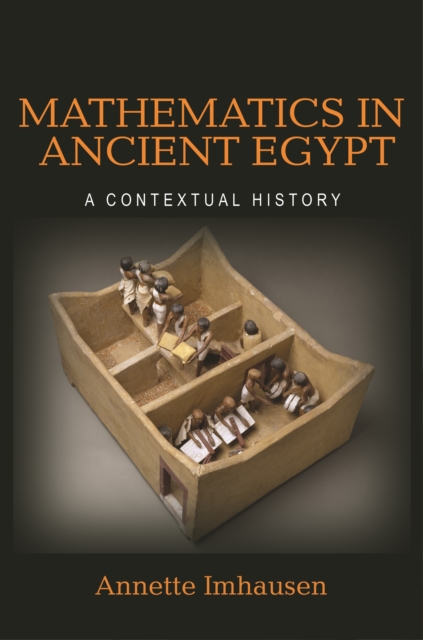
A survey of ancient Egyptian mathematics across three thousand yearsMathematics in Ancient Egypt traces the development of Egyptian mathematics, from the end of the fourth millennium BC-and the earliest hints of writing and number notation-to the end of the pharaonic period in Greco-Roman times.
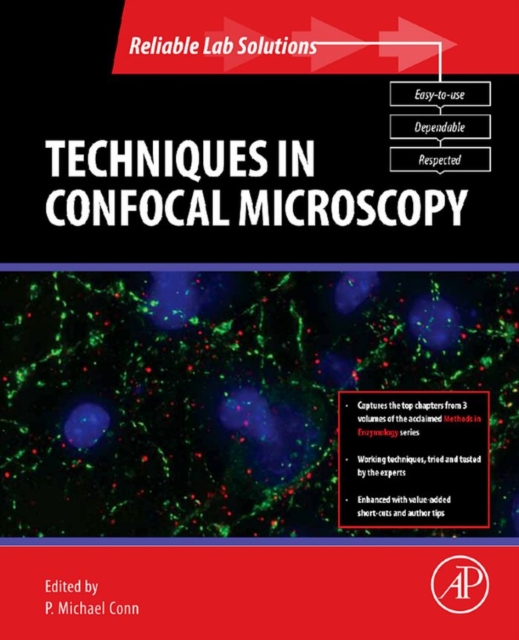
As part of the Reliable Lab Solutions series, Techniques in Confocal Microscopy brings together chapters from volumes 302, 307 and 356 of Methods in Enzymology.
A best seller since 1966, Purification of Laboratory Chemicals keeps engineers, scientists, chemists, biochemists and students up to date with the purification of the chemical reagents with which they work, the processes for their purification, and guides readers on critical safety and hazards for the safe handling of chemicals and processes.
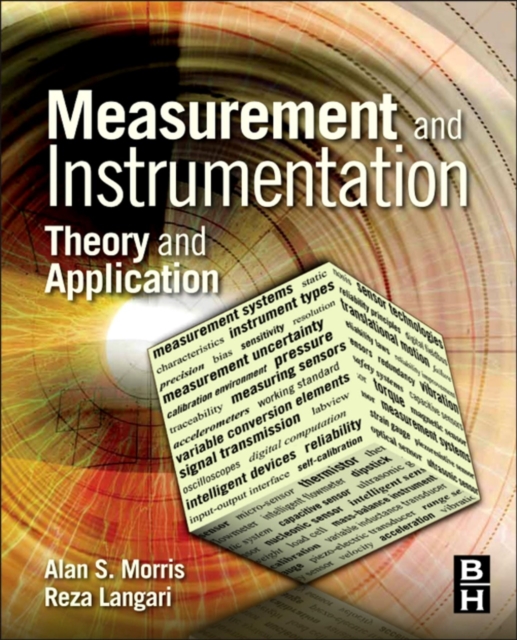
Measurement and Instrumentation introduces undergraduate engineering students to the measurement principles and the range of sensors and instruments that are used for measuring physical variables.
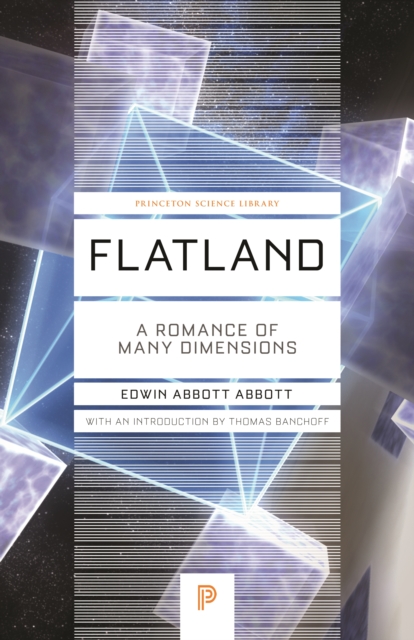
In 1884, Edwin Abbott Abbott wrote a mathematical adventure set in a two-dimensional plane world, populated by a hierarchical society of regular geometrical figures-who think and speak and have all too human emotions.
An acclaimed biography of the Enlightenment's greatest mathematicianThis is the first full-scale biography of Leonhard Euler (1707-83), one of the greatest mathematicians and theoretical physicists of all time.
A major synthesis of homology, written by a top researcher in the fieldHomology-a similar trait shared by different species and derived from common ancestry, such as a seal's fin and a bird's wing-is one of the most fundamental yet challenging concepts in evolutionary biology.
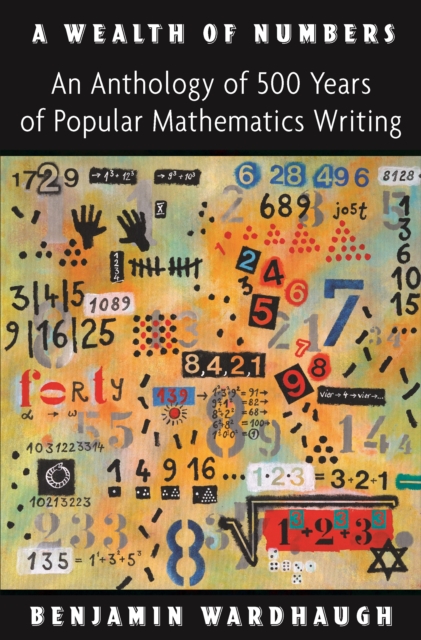
An entertaining and informative anthology of popular math writing from the Renaissance to cyberspaceDespite what we may sometimes imagine, popular mathematics writing didn't begin with Martin Gardner.
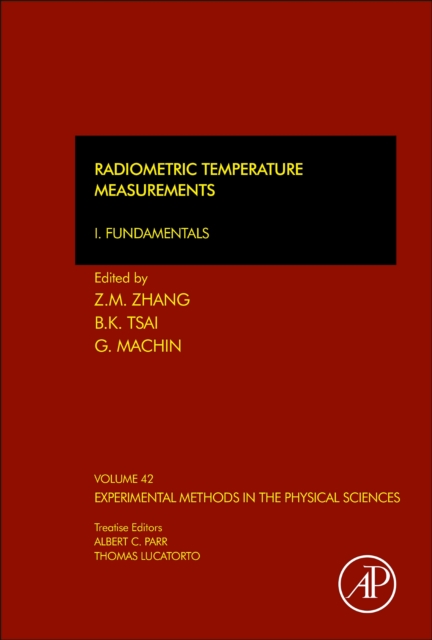
This book describes the practice of radiation thermometry, both at a primary level and for a variety of applications, such as in the materials processing industries and remote sensing.