This second volume of Flies and Disease spans the recorded history of synanthropic flies, from earliest Sumerian writings to contemporary research on their biology and involvement in the transmission of disease agents.
Although astrology was viewed with suspicion by the medieval church, it became a major area of inquiry for the renowned cardinal and scholar Pierre d'Ailly, whose astrological and apocalyptic writings had a significant influence on Christopher Columbus.
Studies of stars and stellar populations, and the discovery and characterization of exoplanets, are being revolutionized by new satellite and telescope observations of unprecedented quality and scope.
This book provides a short, hands-on introduction to the science of complexity using simple computational models of natural complex systems-with models and exercises drawn from physics, chemistry, geology, and biology.
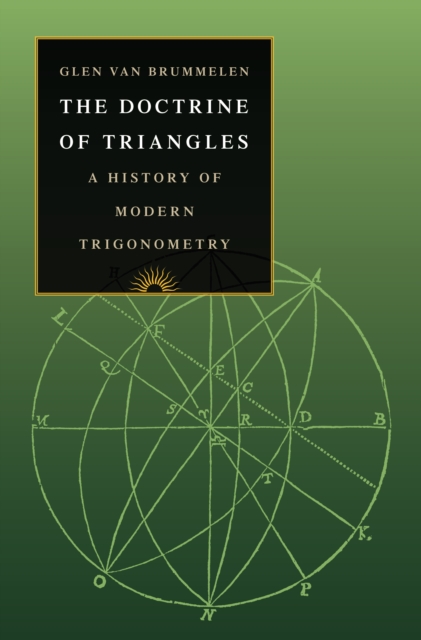
An interdisciplinary history of trigonometry from the mid-sixteenth century to the early twentiethThe Doctrine of Triangles offers an interdisciplinary history of trigonometry that spans four centuries, starting in 1550 and concluding in the 1900s.
How our understanding of calculus has evolved over more than three centuries, how this has shaped the way it is taught in the classroom, and why calculus pedagogy needs to changeCalculus Reordered takes readers on a remarkable journey through hundreds of years to tell the story of how calculus evolved into the subject we know today.
Late nineteenth-century England witnessed the emergence of a vociferous and well-organzied movement against the use of living animals in scientific research, a protest that threatened the existence of experimental medicine.
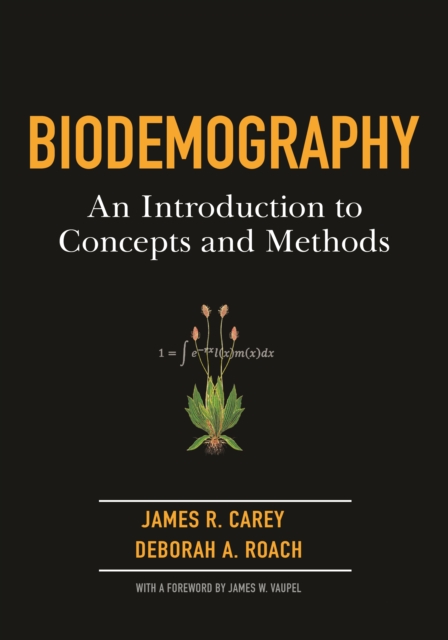
An authoritative overview of the concepts and applications of biological demographyThis book provides a comprehensive introduction to biodemography, an exciting interdisciplinary field that unites the natural science of biology with the social science of human demography.
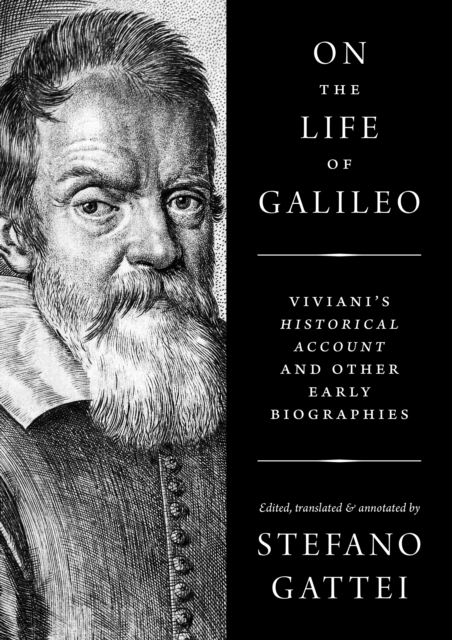
The first collection and translation into English of the earliest biographical accounts of Galileo's lifeThis unique critical edition presents key early biographical accounts of the life and work of Galileo Galilei (1564-1642), written by his close contemporaries.
SUNDAY TIMES BESTSELLERThe creator of the Gaia hypothesis and the greatest environmental thinker of our time has produced an astounding new theory about the future of life on Earth.
New edition of the authoritative introduction to molecular photosynthesis The Fourth Edition of Molecular Mechanisms of Photosynthesis delivers a brand-new update to the most authoritative textbook on the subject of photosynthesis, with important new information on timely topics including mechanisms and oxygen production.
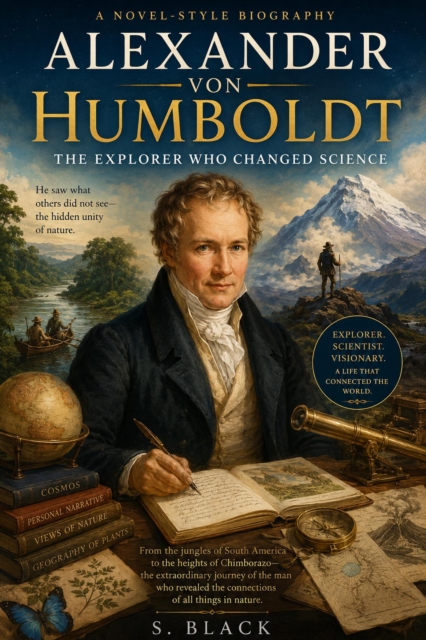
Alexander von Humboldt: The Explorer Who Changed Science is a captivating novel-style biography that brings to life the extraordinary journey of one of history's greatest explorers and scientific thinkers.
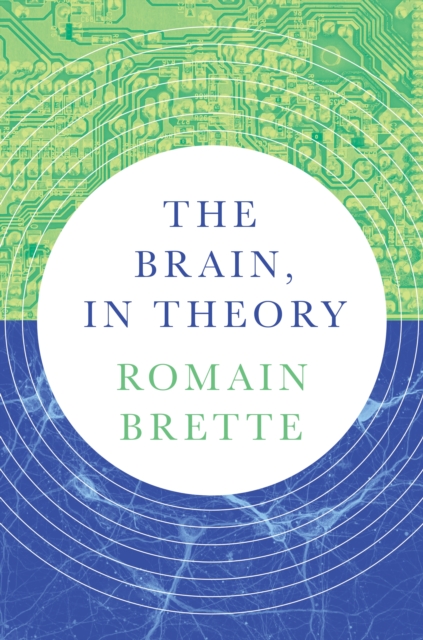
Why engineering and computational analogies are poorly suited to the study of biological cognitionMainstream theories of the brain are often expressed through engineering conceptscomputation, code, control, reverse-engineering, optimization.
Why engineering and computational analogies are poorly suited to the study of biological cognitionMainstream theories of the brain are often expressed through engineering conceptscomputation, code, control, reverse-engineering, optimization.
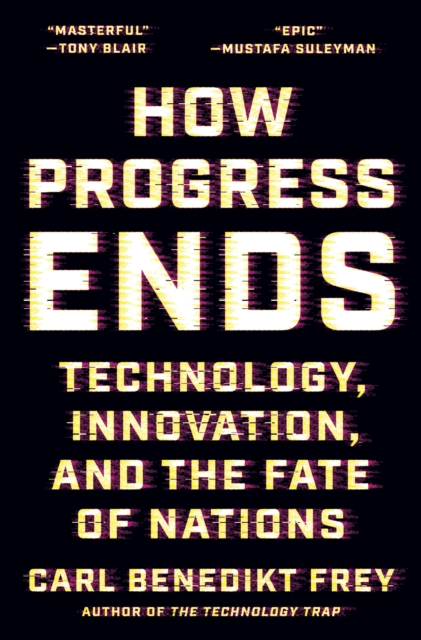
Shortlisted for the Financial Times and Schroders Business Book of the Year AwardHow 1,000 years of global history show why technological and economic progress is often followed by stagnation and even collapseIn How Progress Ends, Carl Benedikt Frey challenges the conventional belief that economic and technological progress is inevitable.
Shortlisted for the Financial Times and Schroders Business Book of the Year AwardHow 1,000 years of global history show why technological and economic progress is often followed by stagnation and even collapseIn How Progress Ends, Carl Benedikt Frey challenges the conventional belief that economic and technological progress is inevitable.
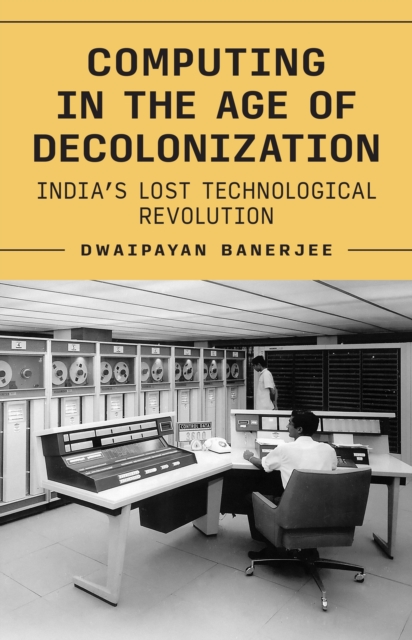
How Cold War geopolitics and domestic capitalism changed the trajectory of India's computing industryIndia today is widely recognized for producing world-class tech talent and Silicon Valley leaders, yet captures only a fraction of the global tech industry's profits, primarily providing skilled but inexpensive labor for Western corporations.
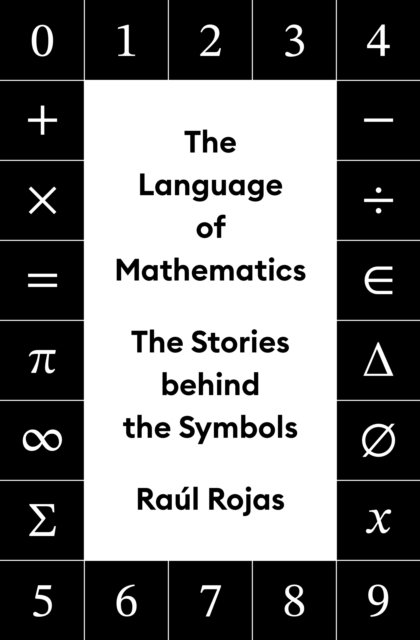
A marvelous compendium of mathematical symbols and their fascinating historiesGalileo famously wrote that the book of nature is written in mathematical language.
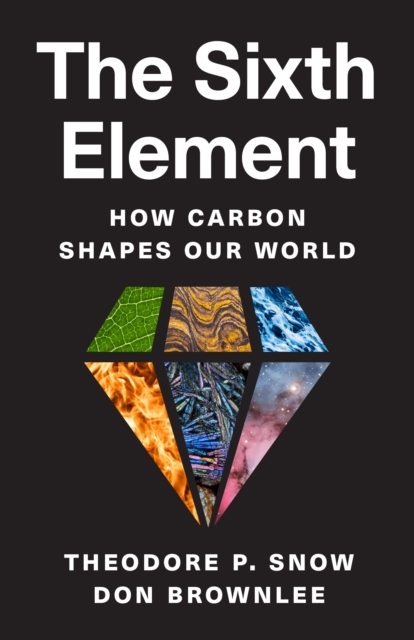
A cosmic perspective on carbonits importance in the universe and our livesWhen we think of carbon, we might first think of a simple element near the top of the periodic table: symbol C, atomic number 6.
A cosmic perspective on carbonits importance in the universe and our livesWhen we think of carbon, we might first think of a simple element near the top of the periodic table: symbol C, atomic number 6.
A tech insider who has been hailed by The New Yorker for her ';forceful critique' of Big Tech describes what must be done to stop its erosion of democracyOver the past decades, under the cover of ';innovation,' technology companies have successfully resisted regulation and have even begun to seize power from governments themselves.
A tech insider who has been hailed by The New Yorker for her ';forceful critique' of Big Tech describes what must be done to stop its erosion of democracyOver the past decades, under the cover of ';innovation,' technology companies have successfully resisted regulation and have even begun to seize power from governments themselves.