Tony Rothman, profesor de fisica en Harvard y Princeton, nos guia paso a paso entre grandes temas que ocupan a los cosmologos contemporaneos, desde la materia oscura a la gravedad cuantica.
Agora mesmo, ao ler estas linas, estas a utilizar a habilidade mais sorprendente e extraordinaria da tua mente: a linguaxe, unha ferramenta unica que usamos os humanos modernos para elaborar o pensamento e para comunicar todo tipo de ideas dunha mente a outra.
El presente volumen aborda de una forma global, documentada y actual el impacto que las actividades humanas -y muy especialmente a lo largo de los dos ultimos siglos- vienen dejando en el planeta Tierra en su conjunto, un impacto cuya huella en su superficie ha dado lugar a lo que puede considerarse una nueva era geologica: el Antropoceno.
El interés por la divulgación de los principios científicos lleva a Isaac Asimov a analizar en "Grandes ideas de la ciencia" las hipótesis y descubrimientos que destacados personajes llevaron a cabo a lo largo de la historia, y que hicieron posible la evolución de sus respectivos ámbitos de conocimiento: Tales y Pitágoras en las matemáticas, Hipócrates en la medicina, Linneo y Darwin en la biología, Galileo, Russell y Wöhler en la astronomía, Faraday, Rumford y Planck en el dominio de la física, son algunos de los casos que el autor utiliza para realizar un ameno recorrido por la evolución del saber científico.
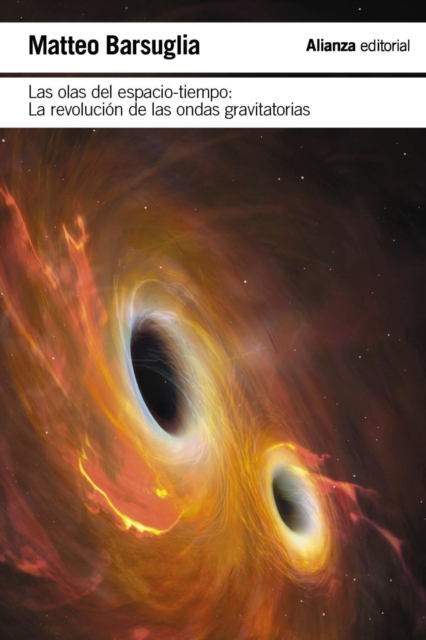
Predichas hace un siglo de forma asombrosa por Albert Einstein en su Teoria de la relatividad general (publicada en esta coleccion) y buscadas a tientas y con escepticismo por los cientificos desde entonces, las ondas gravitatorias -tenues y escurridizas vibraciones del tejido mismo de la realidad que abren una nueva ventana al cosmos- solo fueron detectadas por primera vez en 2015 gracias al experimento estadounidense LIGO, reforzado en breve por el detector europeo VIRGO, en el cual Matteo Barsuglia, autor de este libro, desempena un papel central.
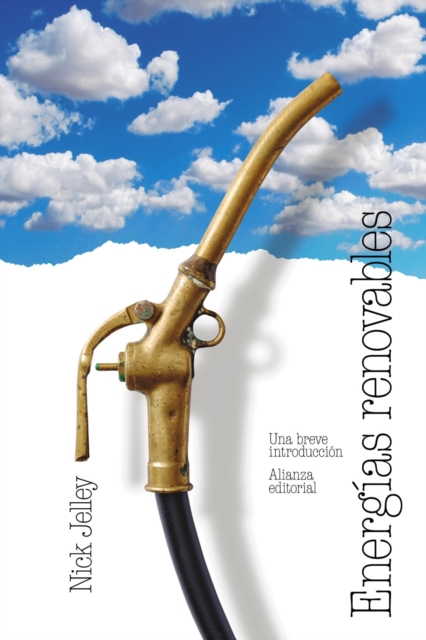
El inexorable agotamiento de los combustibles fosiles del planeta y el calentamiento global, ya admitido y asumido, hace que el estudio de las energias renovables -es decir, aquellas que se reponen de manera natural y de forma sostenible- cobre cada vez mas importancia.
Este libro brillante, de lectura facil y apto para lectores pertenecientes a cualquier esfera de interes, explica en que consiste el metodo cientifico -un modo de pensar y de dar sentido al mundo- y propone ideas para aplicarlo a la vida cotidiana.
A beautifully illustrated history of the many inventive, poetic, and alluring ways in which color swatches have been selected and stagedThe need to categorize and communicate color has mobilized practitioners and scholars for centuries.
This sixth volume of Historical Studies in the Physical Sciences presents articles by ten eminent scholars on the intellectual and social history of the physical sciences from the eighteenth century to the present.
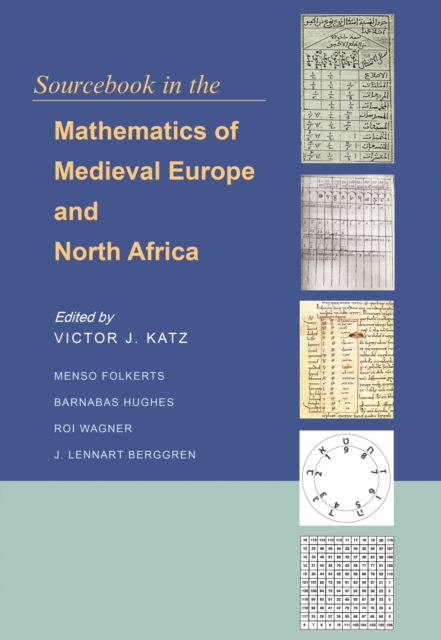
Medieval Europe was a meeting place for the Christian, Jewish, and Islamic civilizations, and the fertile intellectual exchange of these cultures can be seen in the mathematical developments of the time.
An accessible illustrated introducton to the networks we use every day, from Facebook and Google to WiFi and the InternetWhat makes WiFi faster at home than at a coffee shop?
An exciting look at the world of elementary mathematicsElements of Mathematics takes readers on a fascinating tour that begins in elementary mathematics-but, as John Stillwell shows, this subject is not as elementary or straightforward as one might think.
An annotated facsimile edition of Einstein's handwritten manuscript on the foundations of general relativityThis richly annotated facsimile edition of "e;The Foundation of General Relativity"e; introduces a new generation of readers to Albert Einstein's theory of gravitation.
An overview of the extensive and frequently controversial literature on communally breeding birds developed since the early 1960s, when students of evolution began to examine sociality as a product of natural selection.
This is the first modern edition and first English translation of one of the earliest and most important works in the history of geography, the third-century Geographika of Eratosthenes.
Eugene Skolnikoff treats the roles of science and technology across the entire range of relations among nations, including security and economic issues, environmental questions, international economic competitiveness, the spread of weapons technology, the demise of communism, the new content of dependency relations, and the demanding new problems of national and international governance.
Computer-centered networks and technologies are reshaping social relations and constituting new social domains on a global scale, from virtually borderless electronic markets and Internet-based large-scale conversations to worldwide open source software development communities, transnational corporate production systems, and the global knowledge-arenas associated with NGO networks.
A wide-ranging account of American and French understandings of merit, talent, and intelligence over the past two centuriesHow have modern democracies squared their commitment to equality with their fear that disparities in talent and intelligence might be natural, persistent, and consequential?
A fascinating exploration of the pentagon and its role in various culturesThe pentagon and its close cousin, the pentagram, have inspired individuals for the last two and half millennia, from mathematicians and philosophers to artists and naturalists.
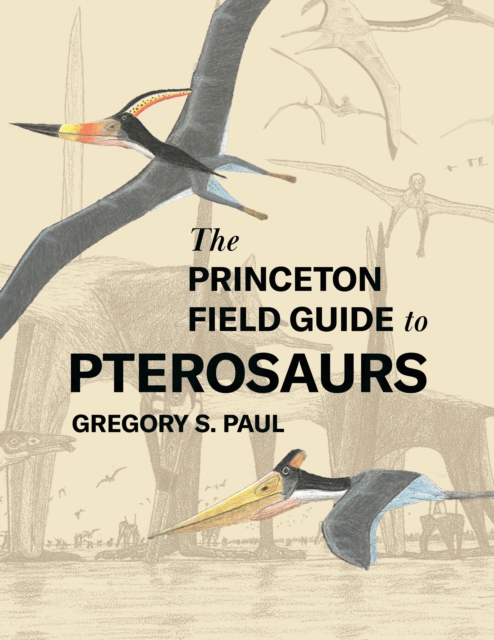
The most up-to-date and authoritative illustrated guide to the marvelous flying reptiles that dominated the skies of the Mesozoic for 160 million yearsOnce seen by some as evolutionary dead-enders, pterosaurs were vigorous winged reptiles capable of thriving in an array of habitats and climates, including polar winters.
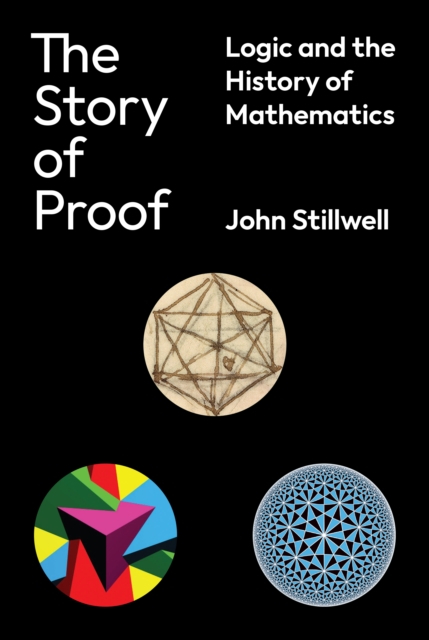
How the concept of proof has enabled the creation of mathematical knowledgeThe Story of Proof investigates the evolution of the concept of proof-one of the most significant and defining features of mathematical thought-through critical episodes in its history.
'Hugely readable and entertaining' JIM AL-KHALILI'An accessible and crystal-clear portrait of this discipline's breadth, largely told through its history' PHIL BALL, PHYSICS WORLDEinstein's Fridge tells the story of how scientists uncovered the least known and yet most consequential of all the sciences, and learned to harness the power of heat and ice.
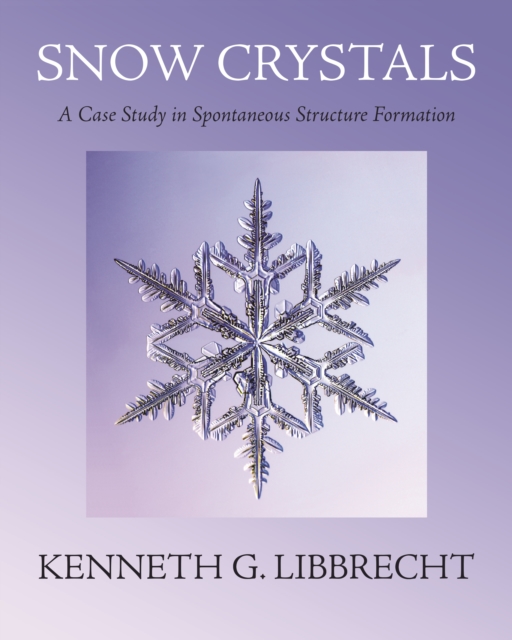
A definitive new investigation of the science of snowflakes by the world's leading expertA snowflake's sophisticated symmetry emerges when crystalline ice grows from water vapor within the winter clouds.
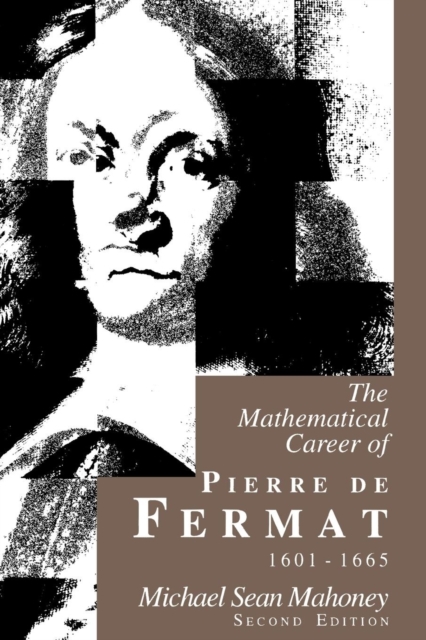
Hailed as one of the greatest mathematical results of the twentieth century, the recent proof of Fermat's Last Theorem by Andrew Wiles brought to public attention the enigmatic problem-solver Pierre de Fermat, who centuries ago stated his famous conjecture in a margin of a book, writing that he did not have enough room to show his "e;truly marvelous demonstration.
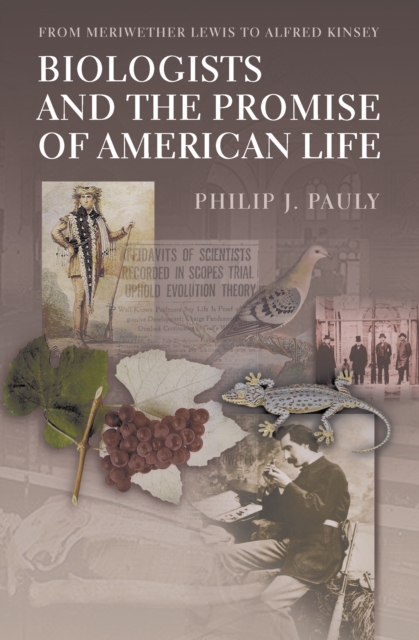
Explorers, evolutionists, eugenicists, sexologists, and high school biology teachers--all have contributed to the prominence of the biological sciences in American life.