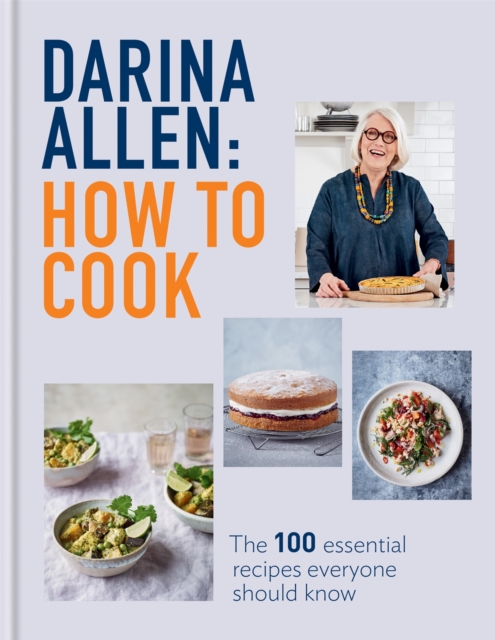
'Darina Allen is Ireland's Delia Smith and Mary Berry rolled into one' - The Times'She is without doubt one of the most important people working in the food world today' - Skye GyngellWe all know cooking from scratch is healthier for our waistlines and our wallets, but pressed for time and inspiration, most of us turn to the same meals again and again.
For most of human history, sudden and unexpected deaths of a suspicious nature, when they were investigated at all, were examined by lay persons without any formal training.
Exploring the five elements of cooking and eating: Taste, Flavour (smell), Texture (touch and sound), Temperature (touch) and Appearance, this book explains how these elements work together and how best to use them to produce simple, delicious dishes.
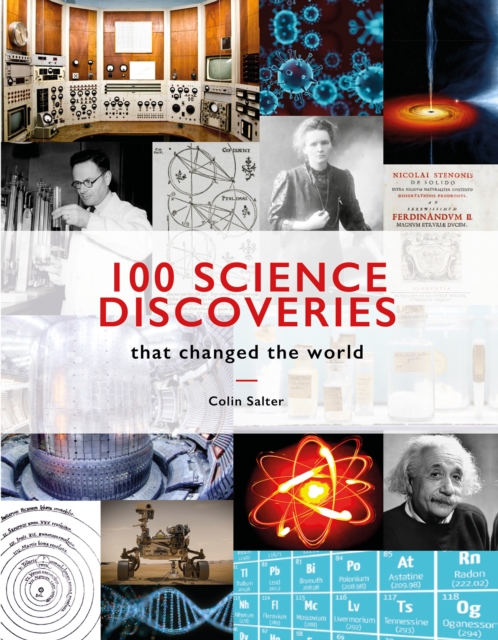
Arranged in chronological order from the early Greek mathematicians, Euclid and Archimedes through to present-day Nobel Prize winners, 100 Science Discoveries That Changed the World charts the great breakthroughs in scientific understanding.
A new, updated edition, with a new foreword of Andrew Keen's witty and provocative polemic against the rise of user-generated content and the anything goes standards of much online publishing, which set the blogosphere and media alight on publication.
Internationally acclaimed science writer Lone Frank swabs up her DNA to provide the first truly intimate account of the new science of consumer-led genomics.
Discover the true heart of humanity: the brainAcclaimed journalist and intrepid brain "e;explorer"e; Lone Frank embarks on an incredible adventure to the frontiers of neuroscience to reveal how today's top scientists are reinventing human nature, morality, happiness, health, and reality itself.
In this enchanting work of scientific exploration, acclaimed science author Frank Ryan explains how metamorphosis - the intricate trick of nature by which caterpillars transform into butterflies - reveals secrets that are shaking the scientific world.
Disease is the true serial killer of human history: the horrors of bubonic plague, cholera, syphilis, smallpox, tuberculosis and the like have claimed more lives and caused more misery than the depredations of warfare, famine and natural disasters combined.
The Big Questions series enables renowned experts to tackle the 20 most fundamental and frequently asked questions of a major branch of science or philosophy.
The Big Questions series is designed to let renowned experts address the 20 most fundamental and frequently asked questions of a major branch of science or philosophy.
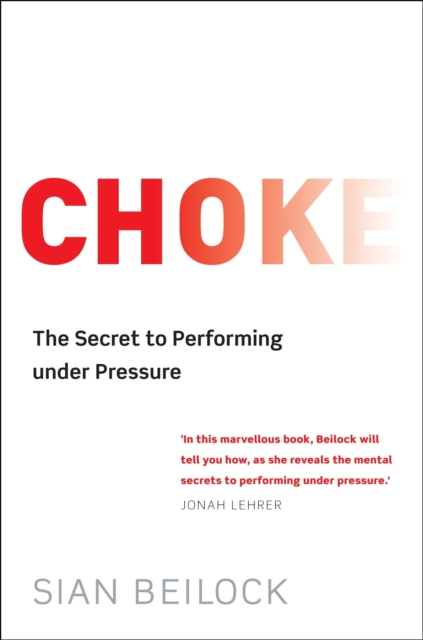
In the tradition of Steven Pinker's How the Mind Works, popular psychologist Sian Beilock, an expert on performance and brain science, reveals the astonishing new science of why we choke under pressure.
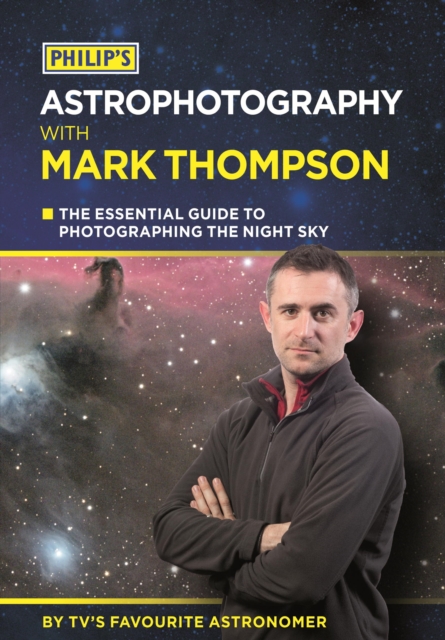
Philip's Astrophotography With Mark Thompson is an essential guide for anyone wishing to photograph or image the stars and planets, written by TV's favourite astronomer.
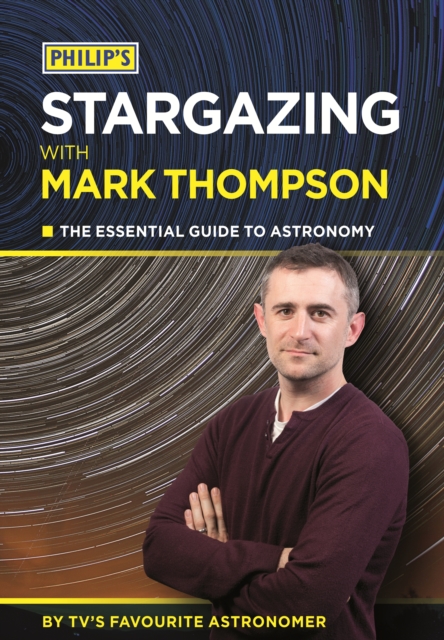
Philip's Stargazing With Mark Thompson provides the perfect introduction to the fascinating hobby of astronomy for beginners, written by TV's favourite astronomer.
'From your brain to your fingertips, you emerge from her book entertained and with a deeper understanding of yourself' Richard Dawkins'A masterful account of why our bodies are the way they are .
WINNER OF THE 2015 COSTA BIOGRAPHY AWARDWINNER OF THE ROYAL SOCIETY SCIENCE BOOK PRIZE 2016'A thrilling adventure story' Bill Bryson'Dazzling' Literary Review 'Brilliant' Sunday Express'Extraordinary and gripping' New Scientist'A superb biography' The Economist'An exhilarating armchair voyage' GILES MILTON, Mail on Sunday Alexander von Humboldt (1769-1859) is the great lost scientist - more things are named after him than anyone else.
Science is full of surprises: the peculiar peepshow beginnings of baby incubators; the unexpected positive fallout from the H-bomb; the dinosaurs that caused sonic booms; the irrational nature of the number pi; the fifth taste sensation lurking in everyone's taste buds which nobody knew about (except for the Japanese).