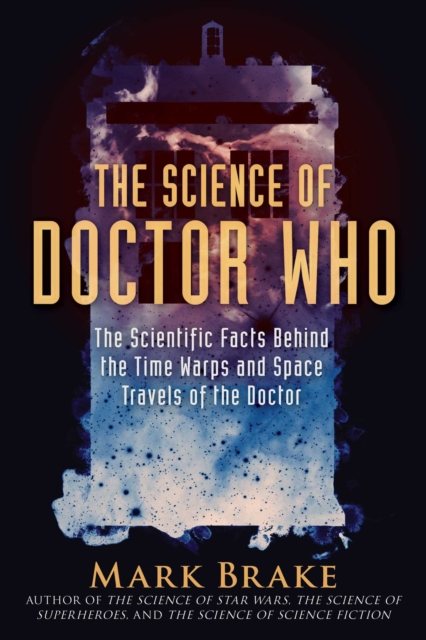
Let Mark Brake open your eyes to how science fiction helped us dream of things to come and building the future we inhabitfrom Star Trek to The Martian, from Back to the Future to Guardians of the Galaxy from 2001: A Space Odyssey to The Avengers.
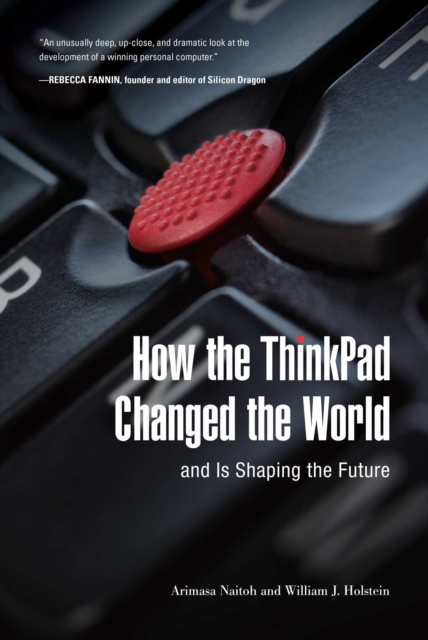
The ThinkPad notebook computer has been at the center of the digital revolution that has transformed millions of lives around the world, allowing users to obtain access to their documents, pictures and other personal data from virtually anywhere at any time.
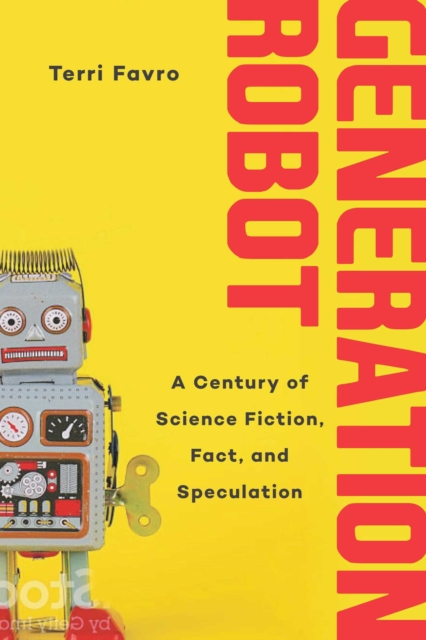
Generation Robot covers a century of science fiction, fact and, speculationfrom the 1950 publication of Isaac Asimov's seminal robot masterpiece, I, Robot, to the 2050 Singularity when artificial and human intelligence are predicted to merge.
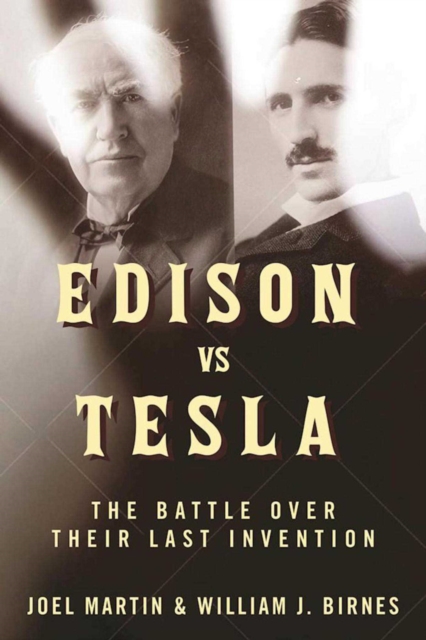
Thomas Edison closely following the alternative physics work of Albert Einstein and Max Planck, convincing him that there was an entire reality unseen by the human eye.
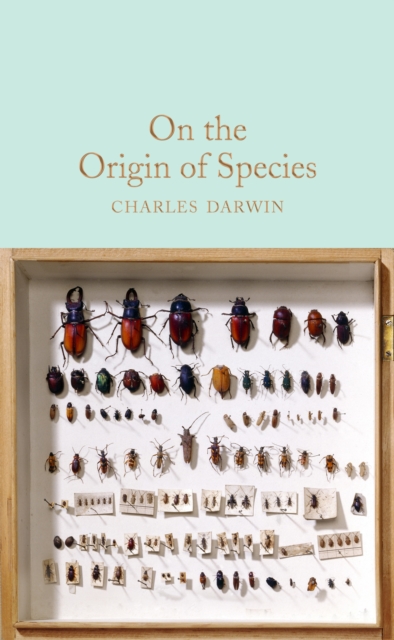
On the Origin of Species outlines Charles Darwin's world-changing theory that life on Earth had not been brought into being by a creator, but had arisen from a single common ancestor and had evolved over time through the process of natural selection.
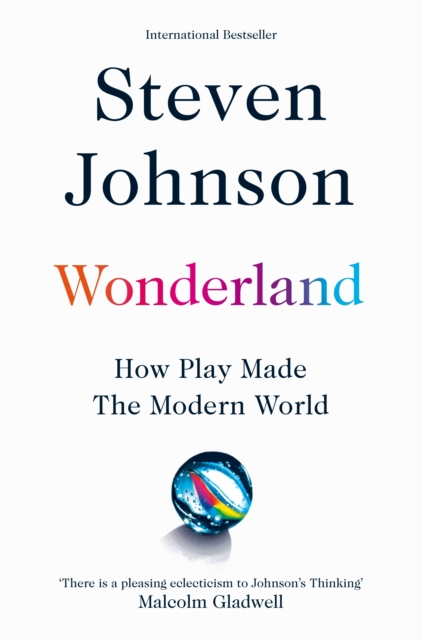
'The book is a house of wonders' The New York Times'Steven Johnson is the Darwin of technology' Walter Issacson, author of Steve JobsWhat connects Paleolithic bone flutes to the invention of computer software?
What would you do if someone bet you they could balance a coin on the edge of a banknote, walk through a postcard, or make you move your limbs through the power of suggestion?
SHORTLISTED FOR THE 2018 BAILLIE GIFFORD PRIZE FOR NON-FICTIONShe Has Her Mother's Laugh presents a profoundly original perspective on what we pass along from generation to generation.
Foreword by Philippa Perry'Based on groundbreaking research that has the power to change the lives of countless children - and the adults who love them.
Slated as the next big thing in tech , augmented reality promises to take the screen out of our hands and wrap it around the world via smart spectacles .
Throughout the world, schizophrenia is a diagnosis now in decline, representing a radical shift in our historical and medical understanding of madness and mental distress.
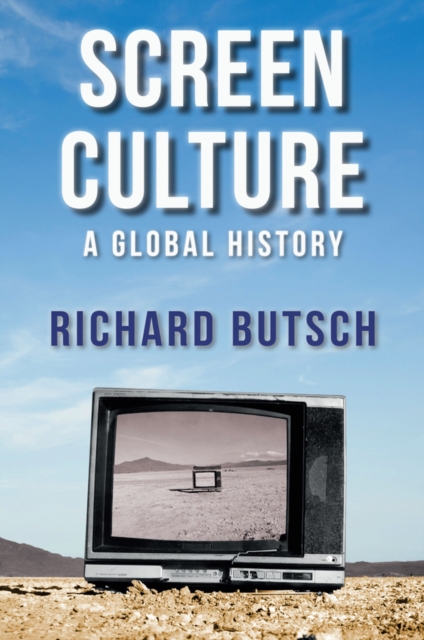
In this expansive historical synthesis, Richard Butsch integrates social, economic, and political history to offer a comprehensive and cohesive examination of screen media and screen culture globally from film and television to computers and smart phones as they have evolved through the twentieth and twenty-first centuries.
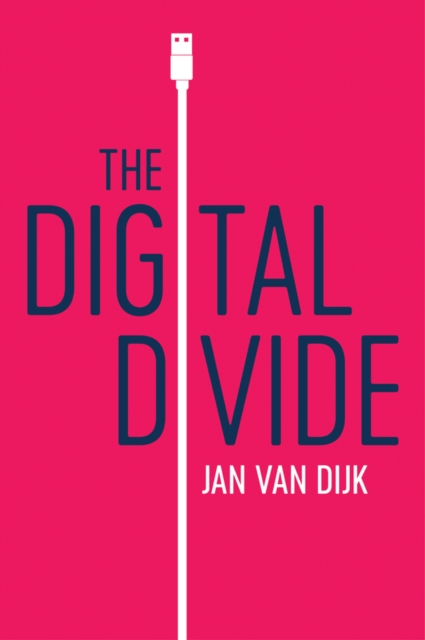
Contrary to optimistic visions of a free internet for all, the problem of the digital divide the disparity between those with access to internet technology and those without has persisted for close to twenty-five years.
From their shadowy origins in Bitcoin to their use by multinational corporations, cryptocurrencies and blockchains are remaking the rules of digital media and society.
Our daily lives, our culture and our politics are now shaped by the digital condition as large numbers of people involve themselves in contentious negotiations of meaning in ever more dimensions of life, from the trivial to the profound.
Today we hear renewed calls for a dialogue between science and religion: why has the old question of the relations between science and religion now returned to the public domain and what is at stake in this debate?
Boasting trillion-dollar companies, the digital economy profits from our emotions, our relationships with each other, and the ways we interact with the world.