As humans continue to degrade and destroy our planet s resources, leading to predictions of total ecological collapse, some (such as the entrepreneur Elon Musk) now suggest that a human colony elsewhere may be our species best hope for survival.
Since the discovery of the structure of DNA and the birth of the genetic age, a powerful vocabulary has emerged to express science s growing command over the matter of life.
Why has the chicken become the meat par excellence, the most plentifully eaten and popular animal protein in the world, consumed from Beijing to Barcelona?
Celebrate our amazing world with this fascinating and entertaining book featuring wow-worthy animal facts and beautiful photos that will remind you of what we risk losing if we don't make changes to our environment.
Discover the amazing wonders of the night sky with this expanded edition to 100 Things to See in the Night Sky, perfect for every amateur stargazer and armchair astronomer!
Science meets fantasy in this behind-the-scenes look at the Marvel Cinematic Universenow you can experience the magic of the movies, and learn how to replicate it in real-life.
A handy field guide for the best stargazing experience whether in your own back yard, camping, or travellingincluding information showing you which planets, constellations, stars, and manmade objects you can see with a telescope, or just your naked eye!
Explore the physics behind the world of Star Wars, with engaging topics and accessible information that shows how we're closer than ever before to creating technology from the galaxy far, far awayperfect for every Star Wars fan!
The remarkable story of how our solar system came to beThe birth and evolution of our solar system is a tantalizing mystery that may one day provide answers to the question of human origins.
From Josh Tickell, one of America's most celebrated documentary filmmakers, comes a ';fascinating, easy-to-follow blueprint for how eating in ways that nourish and regenerate the soil can not only help reverse global warming, but also bring greater vitality to our lives' (Wolfgang Puck).
In 1900 many eminent scientists did not believe atoms existed, yet within just a few years the atomic century launched into history with an astonishing string of breakthroughs in physics that began with Albert Einstein and continues to this day.
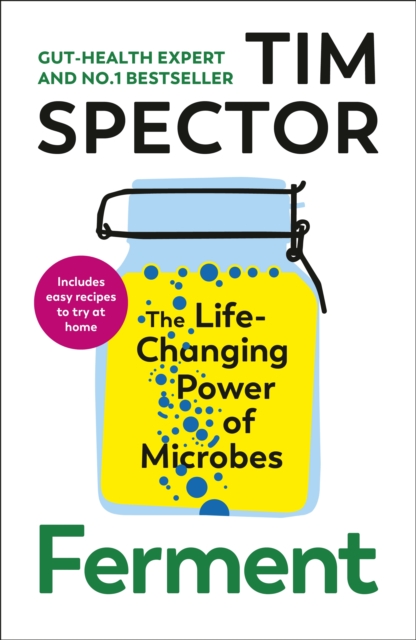
**THE #1 BESTSELLING AUTHOR OF FOOD FOR LIFE** The master of gut health and intelligent eating' Hugh Fearnley-Whittingstall A super healthy and tasty gift for you and your gut microbiome Dr Clare Bailey MosleyFermented foods can help you and your family eat and feel better.
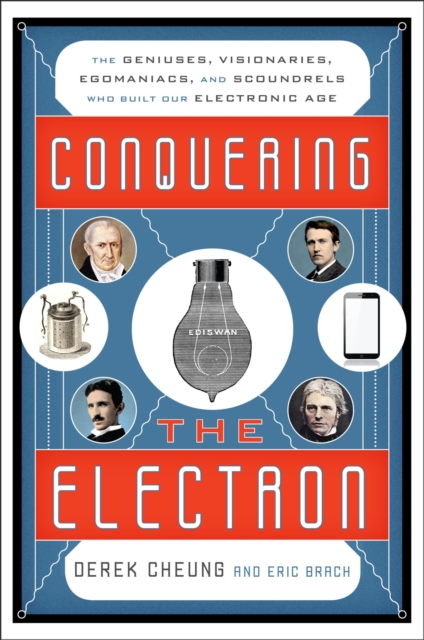
Conquering the Electron offers readers a true and engaging history of the world of electronics, beginning with the discoveries of static electricity and magnetism and ending with the creation of the smartphone and the iPad.
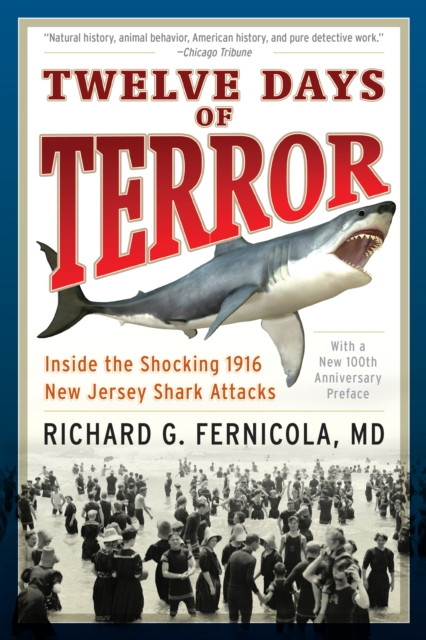
Upon the 100th anniversary of the most terrifying stretch of shark attacks in American history--a wave said to have been the inspiration for Jaws--comes a reissue of the classic Lyons Press account and investigation.
Tröstlich, einzigartig, inspirierend – Elisabeth Tova Baileys Spiegel-Bestseller ist die perfekte Lektüre für ungewisse Zeiten und jetzt endlich als schön illustrierte Neuausgabe erhältlich!
From one of America's best-known biologists, a revolutionary new way of thinking about evolution that shows ';why, in light of our origins, humans are still special' (Edward J.
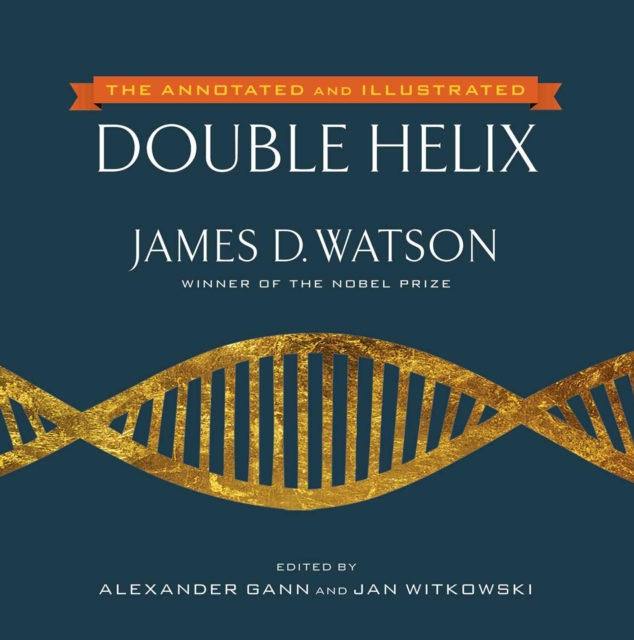
On the fiftieth anniversary of Watson and Crick receiving the Nobel Prize, a freshly annotated and illustrated edition of The Double Helix provides new insights into a scientific revolution.
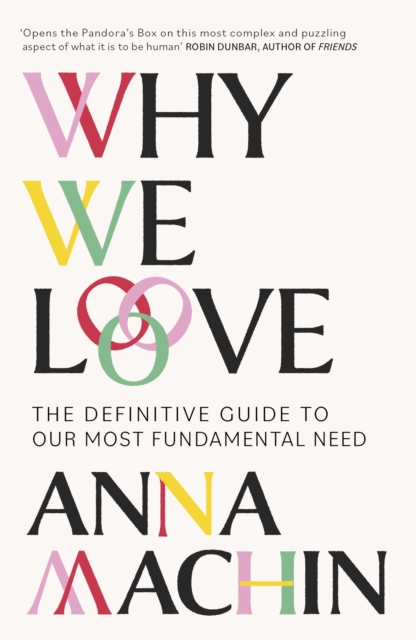
In this entertaining and accessible exploration of love, Oxford anthropologist Dr Anna Machin dives into the science behind the myriad types of love that exist in the world, including romantic love, parental love, friendships, love for pets, football teams, religious love and even love for our smartphones.
'A meticulous guide not only to the vagina but to changing perceptions of womanhood' OBSERVER'An empowering and enlightening book' IRISH TIMESThe vagina is the ultimate symbol of female power.