Neurological and psychiatric disorders have long been regarded as fundamentally different, depending on whether they appear to affect the brain or the mind.
From the world's foremost neuroscientist of romantic love comes a personal story of connection and heartbreak that brings new understanding to an old truth: it is better to have loved and lost than never to have loved at all.
Despite the modern trend towards empowering patients and giving them more choice, the nuts and bolts of medical practice largely remain a mystery - a closed box.
'A dazzling chronicle, a bracing challenge to modernity's smug assumptions' - Bryce Christensen, Booklist'O what a world of profit and delightOf power, of honour and omnipotenceIs promised to the studious artisan.
In The Accidental Universe, physicist and novelist Alan Lightman explores the emotional and philosophical questions raised by discoveries in science, focusing most intently on the human condition and the needs of humankind.
The definitive scientific icon of the twentieth century, Albert Einstein is remember for one equation, E=mc , and the image of a white-haired, pipe-smoking professor who didn t wear socks.
Here are the stories of the ten most popular equations of all time as voted for by readers of Physics World, including - accessibly described here for the first time - the favourite equation of all, Euler's equation.
Kaplan's MCAT Behavioral Sciences Review 2026-2027 offers an expert study plan, detailed subject review, and hundreds of online and in-book practice questionsall authored by the experts behind Kaplans score-raising MCAT prep course.
THE IRISH TIMES TOP FIVE BESTSELLER A beautifully reasoned book about our own unreasonableness Robin Ince In 1983, the reasoning of one unsung Russian narrowly averted nuclear war, proving that critical thinking can save the world.
Internationally renowned theoretical physicist and bestselling author Lawrence Krauss offers provocative, revelatory answers to the biggest philosophical questions: Where did our universe come from?
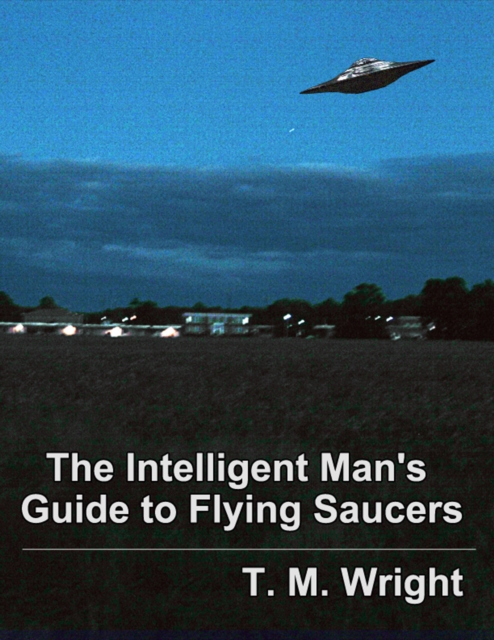
After fifty years of widespread speculation about UFOs and abductions by aliens, a distinguished historian and UFO researcher presents the first evidence-based explanation of alien intentions.
Kaplan's MCAT Biology Review 2026-2027 offers an expert study plan, detailed subject review, and hundreds of online and in-book practice questionsall authored by the experts behind Kaplans score-raising MCAT prep course.
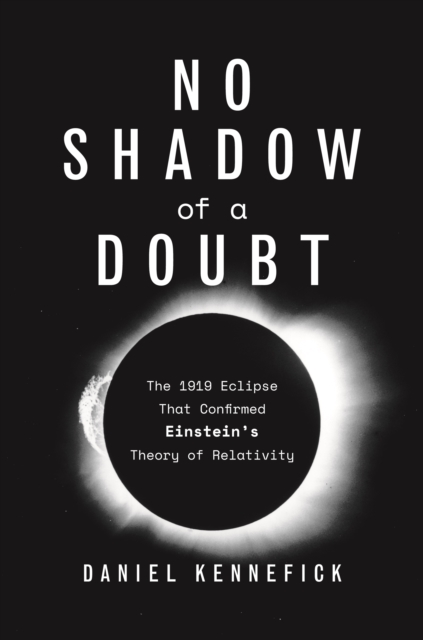
On their 100th anniversary, the story of the extraordinary scientific expeditions that ushered in the era of relativityIn 1919, British scientists led extraordinary expeditions to Brazil and Africa to test Albert Einstein's revolutionary new theory of general relativity in what became the century's most celebrated scientific experiment.
The follow-on to the best-selling That's Not in My American History Book explains in everyday language both the ordinary and the bizarre technological marvels that we take for granted and the laws of nature that serve as the baseline for life on earth.
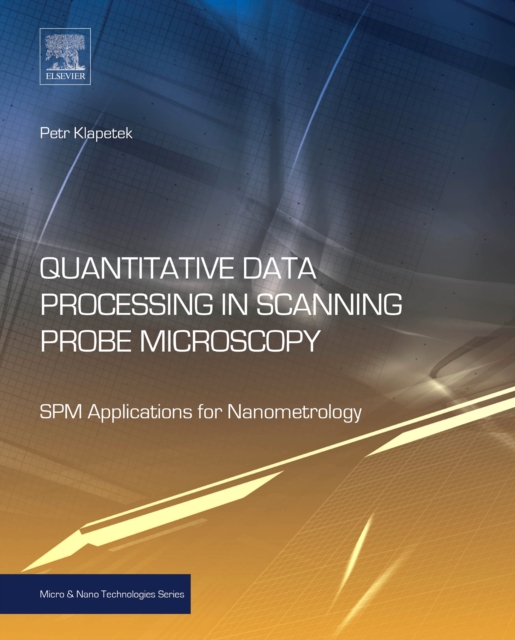
Accurate measurement at the nano-scale - nanometrology - is a critical tool for advanced nanotechnology applications, where exact quantities and engineering precision are beyond the capabilities of traditional measuring techniques and instruments.
Accurate measurement at the nano-scale - nanometrology - is a critical tool for advanced nanotechnology applications, where exact quantities and engineering precision are beyond the capabilities of traditional measuring techniques and instruments.
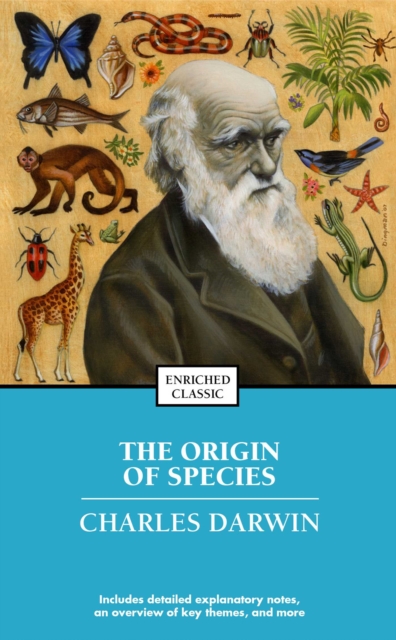
This classic work of scientific literature, presenting the theory of evolution by means of natural selection, is still both relevant and controversial in the twenty-first century.
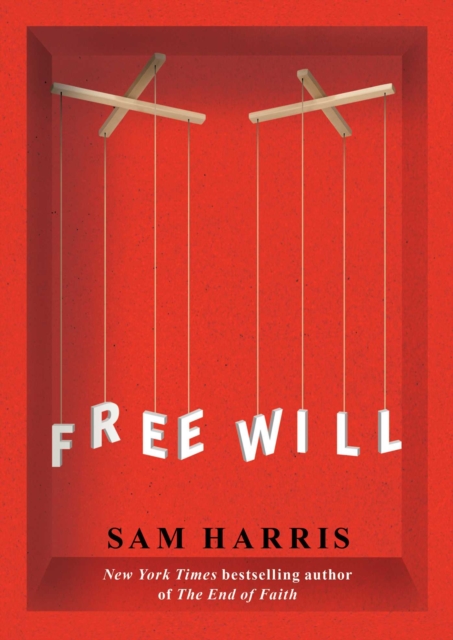
From the New York Times bestselling author of The End of Faith, a thought-provoking, "e;brilliant and witty"e; (Oliver Sacks) look at the notion of free willand the implications that it is an illusion.
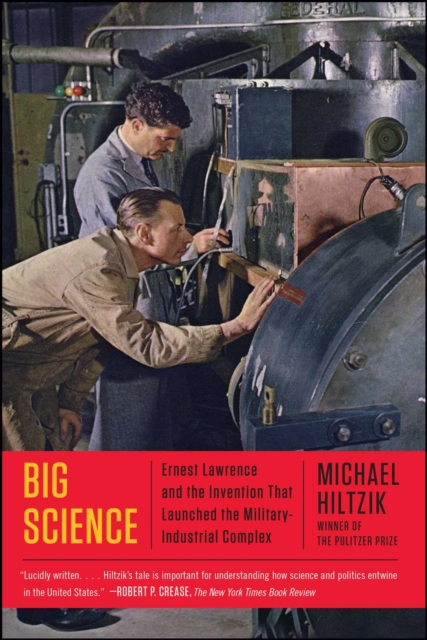
The epic story of how science went big and the forgotten genius who started it allentertaining, thoroughly researchedpartly a biography, partly an account of the influence of Ernest Lawrences great idea, partly a short history of nuclear physics and the Bomb (The Wall Street Journal).
The most thrilling, genre-busting, unlikely science book you ll ever read, from the world-renowned, multi-award-winning, superstar physicist Lisa Randal.
**SHORTLISTED FOR THE SUNDAY TIMES SPORTS BOOK AWARDS 2023**'Full of delightful anecdotes and interviews and fascinating historical tales' Mail on SundayA panoramic portrait of the wonderous vehicle whose passenger is also its engine.
WINNER OF THE 800-CEO-READ BUSINESS BOOK OF THE YEAR 2015In the vein of Susan Cain's QUIET and Malcolm Gladwell's DAVID AND GOLIATH, HOW TO FLY A HORSE is a smart, empowering book that dispels the myths around genius and creativity.