From the presenter of the brilliant BBC podcast Parentland , and drawing on the most up-to-date scientific research, here are the answers to everything you ve ever wondered about having a baby from the first pregnancy symptoms to birth and the baby s first twelve months.
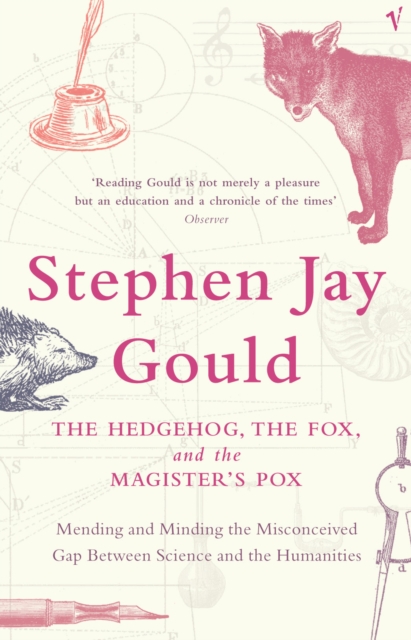
In his characteristically iconoclastic and original way, Stephen Jay Gould argues that progress and increasing complexity are not inevitable features of the evolution of life on Earth.
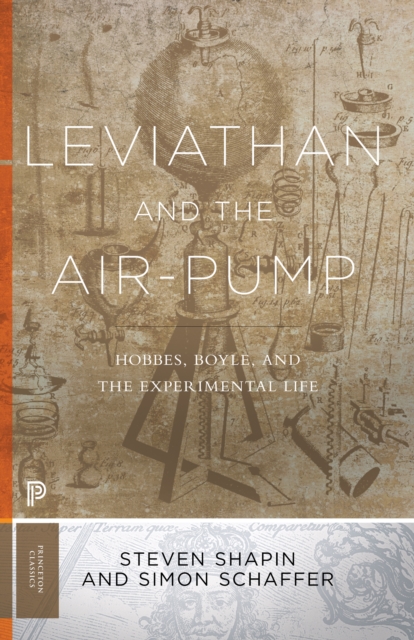
Leviathan and the Air-Pump examines the conflicts over the value and propriety of experimental methods between two major seventeenth-century thinkers: Thomas Hobbes, author of the political treatise Leviathan and vehement critic of systematic experimentation in natural philosophy, and Robert Boyle, mechanical philosopher and owner of the newly invented air-pump.
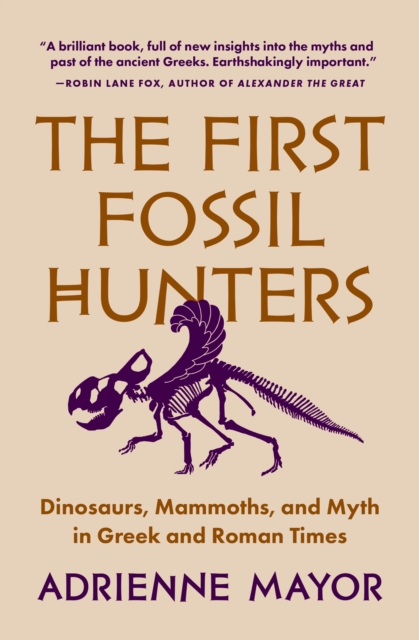
The fascinating story of how the fossils of dinosaurs, mammoths, and other extinct animals influenced some of the most spectacular creatures of classical mythologyGriffins, Centaurs, Cyclopes, and Giants-these fabulous creatures of classical mythology continue to live in the modern imagination through the vivid accounts that have come down to us from the ancient Greeks and Romans.
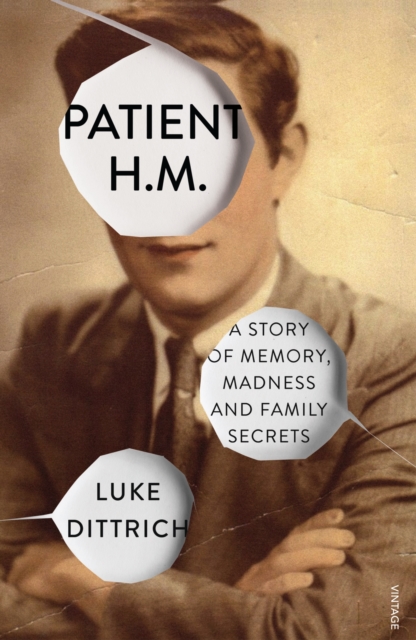
In the summer of 1953, maverick neurosurgeon William Beecher Scoville performed a groundbreaking operation on an epileptic patient named Henry Molaison.
John, aged sixty, suffered a stroke and recovered fully, except in one respect: although he can see perfectly, he can no longer recognise faces, even his own reflection in a mirror.
Carl Zimmer tells the story of the theory of evolution from Darwin's journey on the Beagle to the controversies of modern evolutionary theory, the understanding of the lethal resurgence of antibiotic resistant diseases and the wave of species extinctions that face us today.
On two days in 1761 and 1769 hundreds of astronomers pointed their telescopes towards the skies to observe a rare astronomical event: the transit of Venus across the face of the sun.
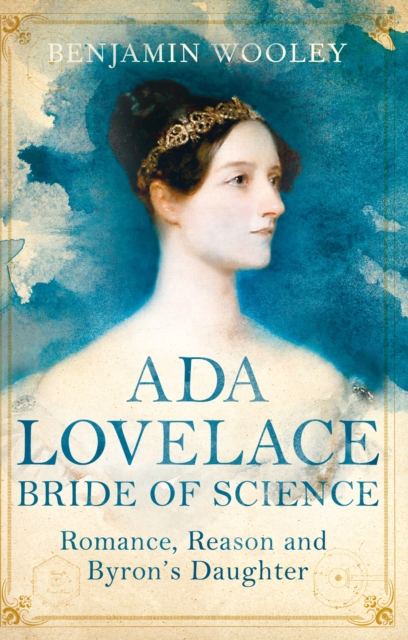
Ada Lovelace, the daughter of Lord Byron was born in 1815 just after the Battle of Waterloo, and died aged 36, soon after the Great Exhibition of 1851.
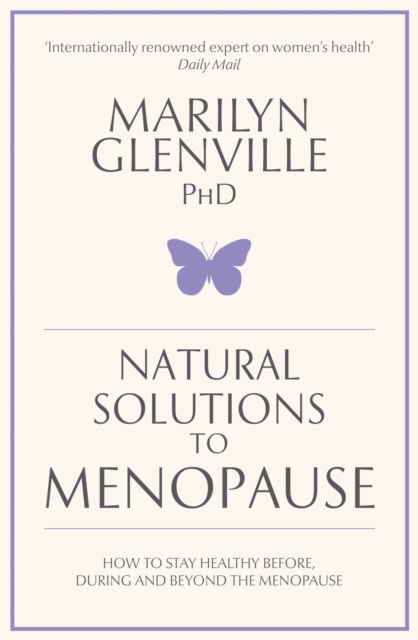
This complete guide to menopause offers effective advice on diet, exercise and lifestyle to keep you in optimum health before, during and after this change in your life.
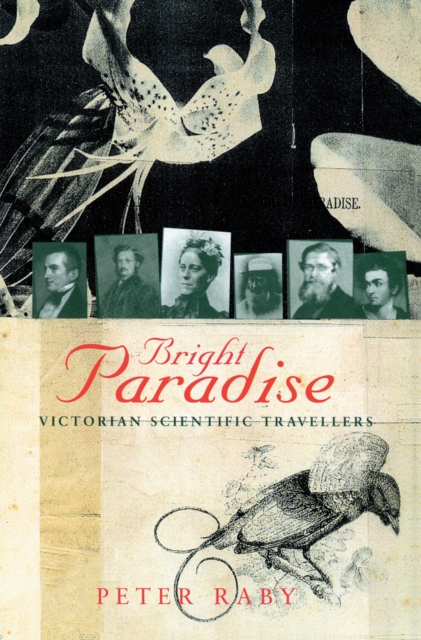
'A fabulously rich, anecdotal and gripping account of those men and women who ventured out from Britain into the swamps and jungles of the tropics in search, knowingly or not, of the missing link.
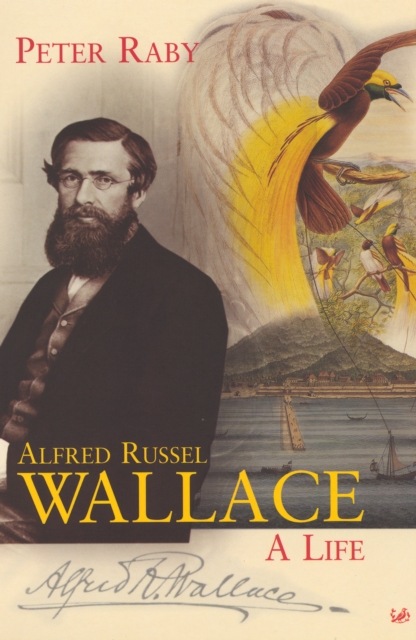
In 1858, aged thirty-five, weak with malaria, isolated in the remote Spice Islands, Alfred Russel Wallace wrote to Charles Darwin: he had, he said excitedly, worked out a theory of natural selection.
Writing with characteristic bracing intelligence and clarity, Gould sheds new light on a dilemma that has plagued thinking people since the Renaissance.
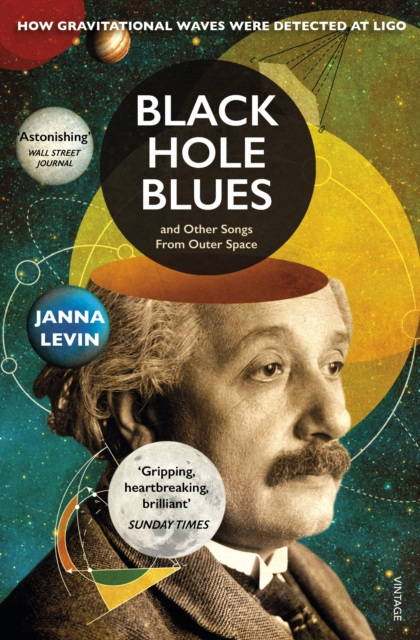
The full inside story of the detection of gravitational waves at LIGO, one of the most ambitious feats in scientific history*Selected as a Book of the Year 2016 in the Sunday Times*'This is empirical poetry.
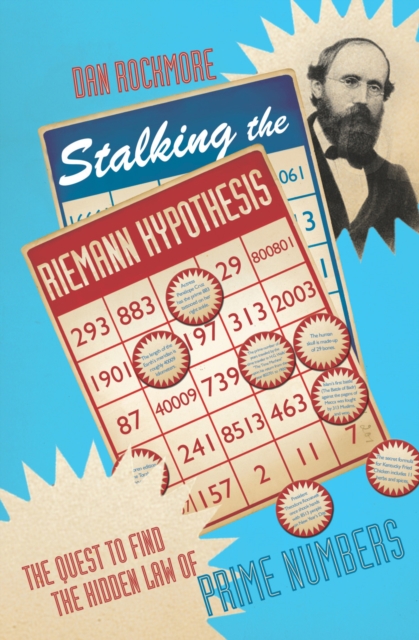
Like a hunter who sees 'a bit of blood' on the trail, that's how Princeton mathematician Peter Sarnak describes the feeling of chasing an idea that seems to have a chance of success.
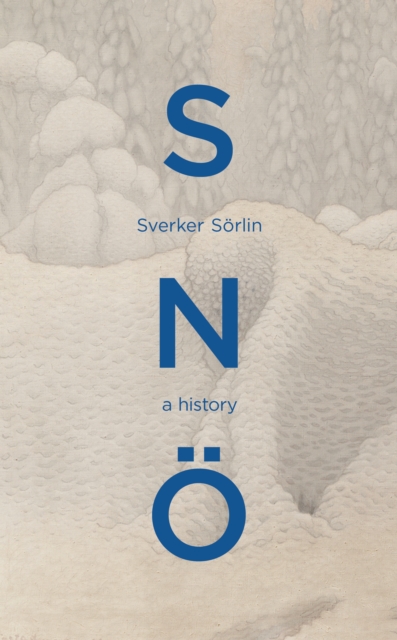
A beautiful and profound natural history of snow from the bestselling, award-winning Swedish environmentalist Sverker S rlin, exploring the cultural, scientific, artistic and existential significance of what is, due to climate-change, fast-becoming a vanishing fact of nature.
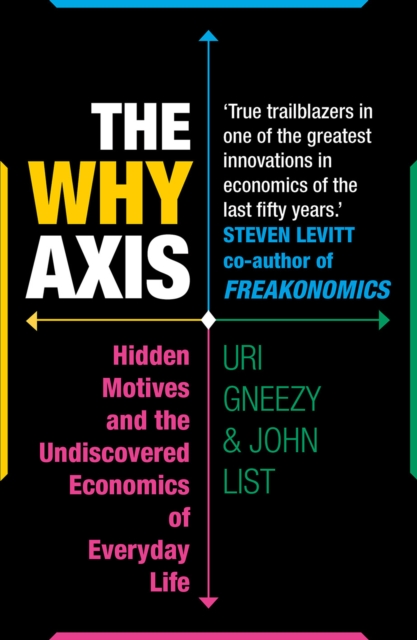
Based on groundbreaking original research, The Why Axis is a colourful examination of why people do what they do and how effective incentives can spur people to change their behaviour and achieve more.
In 1932, the so-called annus mirabilis of modern physics, a group of scientists gathered in Copenhagen for a week-long conference on the extraordinary new work that was taking place in laboratories across the world; work that would ultimately lead to the development of nuclear weapons and the ensuing international power struggles.
Discover this remarkable account of twenty-one years in remote Kenya with a troop of Savannah baboons from the New York Times bestselling author of Behave.
Full of inspiring stories of patients who have achieved remissions and miraculous cures for illnesses such as mulitple sclerosis and cancer, Dr Siegel shows us how emotions such as love, hope, joy and peace of mind have strong physiological effects on each of us, as do depression and dispair.
Steven Rose's The Making of Memory is about just that, in both its senses: the biological processes by which we humans - and other animals - learn and remember, and how researchers can explore these mechanisms.
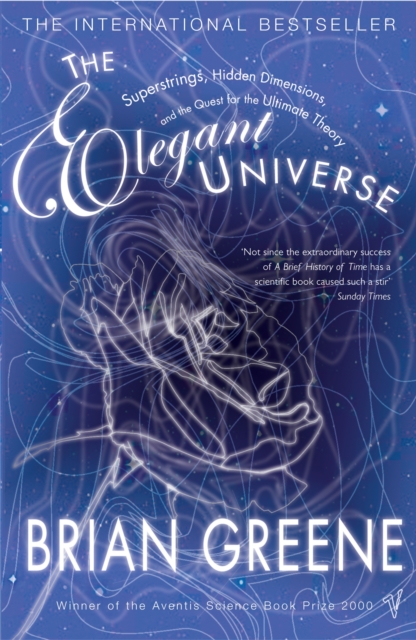
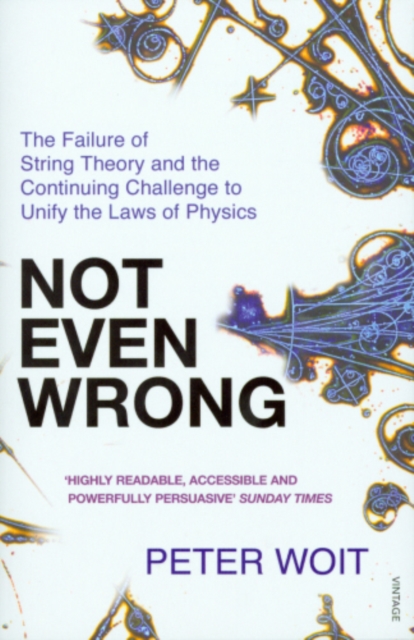
Not Even Wrong is a fascinating exploration of our attempts to come to grips with perhaps the most intellectually demanding puzzle of all: how does the universe work at its most fundamnetal level?