This state-of-the-art reference details current and effective symptom-specific strategies for the diagnosis and management of diabetic patients-emphasizing the exploration of therapeutic options available for the treatment of accelerated coronary complications associated with diabetes.
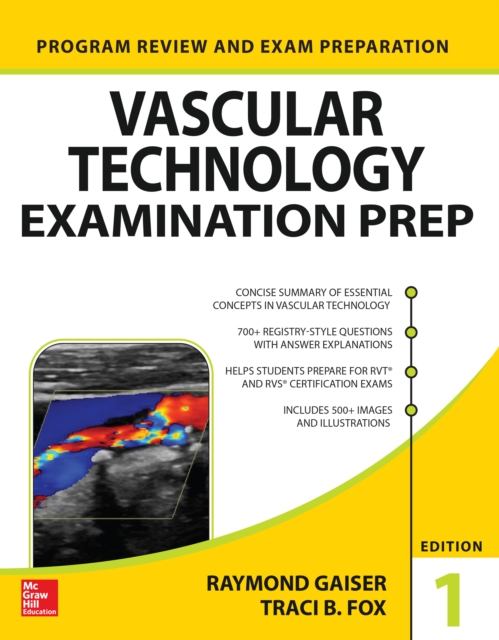
Your complete, one-stop guide to passing the Vascular Technology boardsVascular Technology Examination PREP is packed with everything you need to know to ace the ARDMS Vascular Technology registry exam.
Market: Psychiatry Residents seeking certification in psychiatry (1,200 per year) Recertifying Psychiatrists (750 per year); recertification is required every ten years.
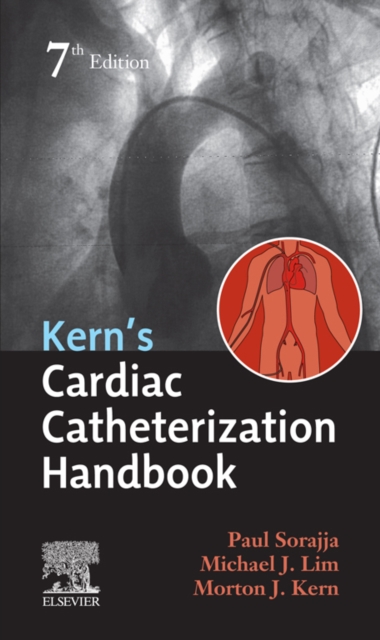
For portable, quick access to information needed at the point of care in today's cath lab, look no farther than Kern's Cardiac Catheterization Handbook, 7th Edition.
This book outlines the state of the art in transradial intervention and illustrates case-based learning for the transradial access (TR access) technique, especially in complex lesions.
The main goal of the second edition of this book is to update the content on the rapidly growing field of lymphoscintigraphy, a radionuclide-based imaging procedure that provides information on the functional status of the lymphatic system.
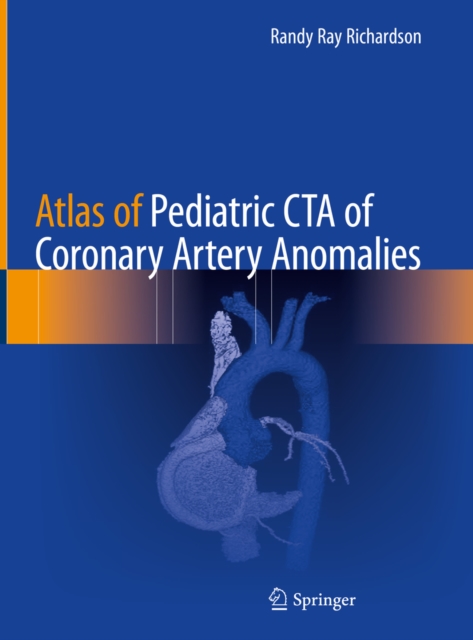
While most current texts on the coronary artery include only a single chapter on anomalies, this is the first of its kind to focus on the challenges involved with imaging coronary artery anomalies in infants.
Offering a clear and consistent framework for recognition, diagnosis, and treatment of a wide range of cardiac arrhythmia disturbances, Clinical Cardiac Electrophysiology: A Practical Guide covers the fundamental analytical skills needed in this challenging area.
En su primera edición, el libro de "Medicina vascular" contiene una revisión y recopilación completa sobre las entidades clínicas más relevantes en su área, temas necesarios en la práctica diaria del médico general.
Plant-Forward Cuisine is a beautifully illustrated book that promotes the environmental and health benefits of a plant-forward diet and will inspire readers with a range of exciting recipes.
This volume reviews available mouse models of atherosclerosis, basic aspects of disease initiation and progression, and the visualization of atherosclerotic lesions with invasive and non-invasive techniques that are widely used both in basic research and in the clinic.
Vascular Morphogenesis: Methods and Protocols provides a range of techniques for studying vascular morphogenesis in vivo and in vitro, reflecting advances in the field.
Atherosclerosis: Experimental Methods and Protocols aims to provide the reader with a compilation of techniques that will prove useful to active investigators across the field of experimental atherosclerosis research.
As experimentation and clinical trials with first generation anti-angiogenic agents have yielded results and our understanding of the biology and physiology of blood and lymphatic vessels has increased, a new angiogenesis volume swiftly became a necessity.
Cardiovascular disease is the leading cause of death in developed countries, but is quickly becoming an epidemic in such well-populated countries as China, India, and other developing nations.
The lipid-rich and otherwise challenging nature of many key tissues complicates many aspects of current research, and applications of the unique nature of lipoproteins and their biological effects has engendered unique and vital methodologies.
As two of the leading causes of death worldwide, heart disease and stroke represent a clear target for genomic research aimed at deciphering the genes and cellular pathways that underlie cardiovascular disease and creating improved therapies.
Cardiovascular disease is the leading cause of death in developed countries, but is quickly becoming an epidemic in such well-populated countries as China, India, and other developing nations.
The use of proteomics to study complex diseases such as cardiovascular disease, the leading cause of death in developed countries, has grown exponentially in recent years.
Prominent researchers and clinicians describe in detail all the latest laboratory techniques currently used to define the molecular genetic basis for congenital malformations of the heart, cardiomyopathies, cardiac tumors, and arrythmias in human patients.
During the past decade, remarkable progress has been made in the development of newer drugs to prevent and treat thromboembolic disorders, such as oral direct anti-Xa and anti-IIa antagonists, as well as oral antiplatelet ADP antagonists with rapid onset and offset.
Over the past decades, the pathogenesis, diagnosis, treatment and prevention of cardiovascular diseases have been benefited significantly from intensive research activities.
This book provides clinicians with the information needed to effectively interpret the literature from observational and interventional cardiovascular outcomes studies.