This fully updated volume brings together synapse development methods that span from the macroscopic to the nanoscale in order to foster novel perspectives and encourage interdisciplinary integration.
This fully updated volume brings together synapse development methods that span from the macroscopic to the nanoscale in order to foster novel perspectives and encourage interdisciplinary integration.
History of Rabies in the Americas, Volume III: Reflections, Reports, Retrospectives, and Revelations is a natural outgrowth of the prior two volumes, which presented topical and spatio-temporal insights on this theme.
History of Rabies in the Americas, Volume III: Reflections, Reports, Retrospectives, and Revelations is a natural outgrowth of the prior two volumes, which presented topical and spatio-temporal insights on this theme.
This book offers a comprehensive review of the molecular and cellular mechanisms underlying autoimmune disorders, as well as the role of immunotherapy in managing these diseases.
Enormous progress in asthma research has been made in the past 50 years, including a greater understanding of its complex pathogenesis and new and more effective therapies.
This accessible, jargon-free guide to uveitis for non-specialists explains how to diagnose and manage inflammatory eye disease in practical, easy-to-understand language.
This accessible, jargon-free guide to uveitis for non-specialists explains how to diagnose and manage inflammatory eye disease in practical, easy-to-understand language.
Gut microbiota plays a crucial role in preventing cancer by influencing the immune system, regulating inflammation, and producing beneficial metabolites.
What to Do About AIDS: Physicians and Mental Health Professionals Discuss the Issues, edited by Leon McKusick, brings together leading clinicians and researchers at a pivotal moment in the history of the epidemic.
What to Do About AIDS: Physicians and Mental Health Professionals Discuss the Issues, edited by Leon McKusick, brings together leading clinicians and researchers at a pivotal moment in the history of the epidemic.
Agotamiento físico y mental, dificultades para dormir, dolor constante, fallas en la memoria, tránsito intestinal irregular, angustia y la lista sigue.
The clinical approaches to the chronic degenerative diseases that drain our resources, and compromise our well-being, have become almost exclusively symptom-focused.
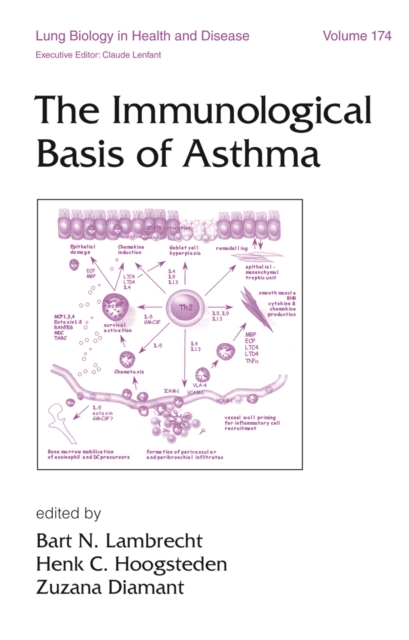
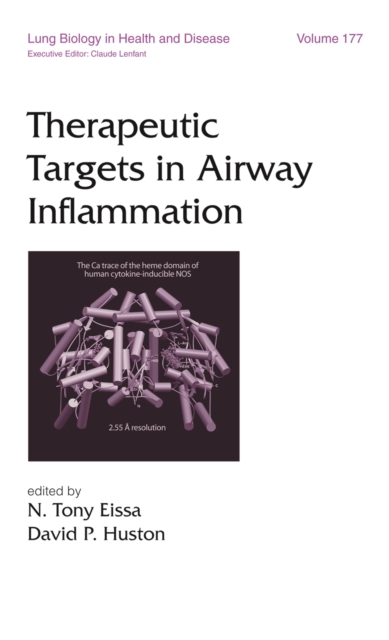
This text assesses the role of dendritic cells, T and B lymphocytes, epithelial and mast cells, eosinophils, neutrophils, macrophages, and their products in the initiation and progression of airway inflammation, regulation, and repair.
Part I covers modern advances in the determination ofglycoprotein structure and in the biosynthesis of mammalian,bacterial, yeast, plant and insect glycoproteins.
This book seeks to represent the main concepts and theories related to psychoneuroimmunology with the aim of their application in clinical settings and formation of novel theories to further elucidate the mutual connection of the psyche and the physiology of humans' body.
This book seeks to represent the main concepts and theories related to psychoneuroimmunology with the aim of their application in clinical settings and formation of novel theories to further elucidate the mutual connection of the psyche and the physiology of humans' body.
Filling a gap in the literature, this guide analyzes EBV infection and all of its associated disorders including infectious mononucleosis, Burkitt lymphoma, and Hodgkin's disease.
This book integrates recent advances in molecular and cell biology of hematopoietic stem cells (HSC) with developments in clinical research in stem cell-based therapy-providing an up-to-date review of novel cytokines and cellular components; animal models; cell preparation, selection, and collection; minimal residual disease and purging; expansion
Continuing the tradition set by the first and second editions, each a bestseller in its own right, the third edition of Immunotoxicology and Immunopharmacology provides reviews of environmental agents, updated to reflect the latest information on how these agents influence immune system function and health.
This reference examines the cellular, molecular, and genetic mechanisms involved in airway inflammation, as well as the pathophysiology, epidemiology, and aetiology of asthma.
Responding to the clear need for an immunology text written with the pharmacist and pharmaceutical scientist in mind, this volume highlights issues of particular relevance to pharmacy practice, including hypersensitivity reactions to natural allergens and pharmaceutical agents.
Describes the immunological aspects of blood transfusion medicine, examining the immuno-chemistry of blood group antigens, the immune destruction of cells, correlations between blood groups and disease, and the effect transfusion-induced retroviral infection has on immune response.
Rhinosinusitis is increasing in prevalence and incidence, and has been estimated to affect approximately 31 million patients in the United States each year.
Advances in Veterinary Science and Comparative Medicine, Volume 32: Immunodeficiency Disorders and Retroviruses provides an understanding of retrovirus morphogenesis, pathogenesis, and the processes of infection and transformation.
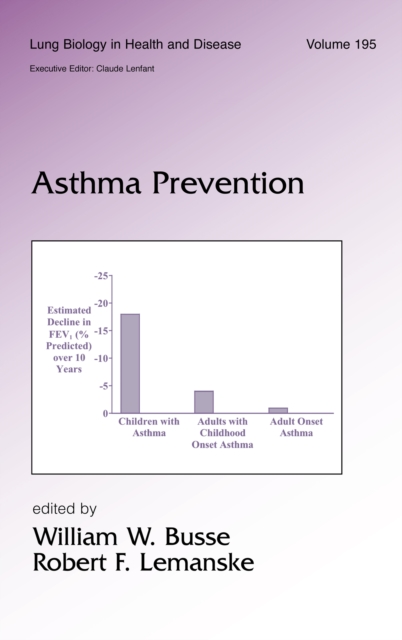
Collecting research from leading specialists in the field, this reference contains the latest studies on the genetic and environmental origins, pathogenesis, and immunology of asthma-promoting new research pathways for the development of new therapeutic interventions in the prevention of this common disease.
Transform Your Health by Harnessing Natures DefenseIn a world teeming with health challenges, understanding and optimizing your immune system has never been more crucial.
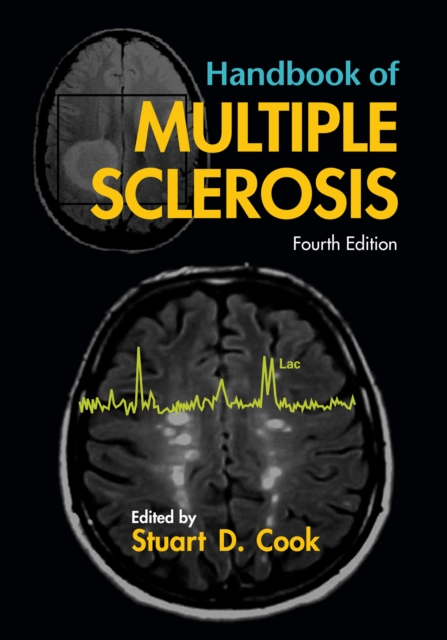
Filled with an abundance of reader-friendly and quick-reference tables and figures, this Fourth Edition spans the etiology, epidemiology, clinical features, diagnosis, pathology, and treatment of multiple sclerosis (MS).
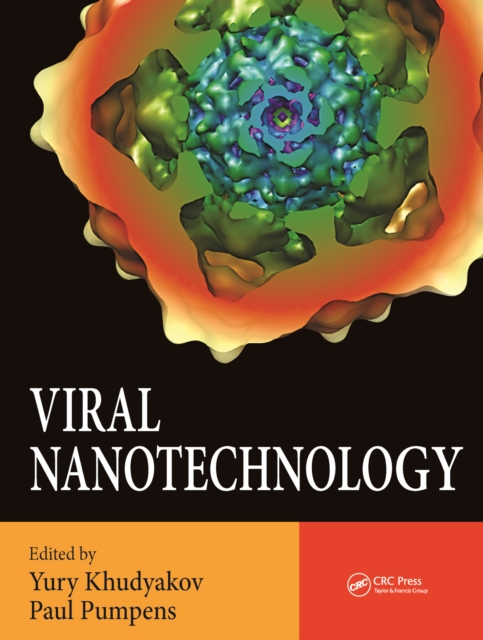
Viral Nanotechnology presents an up-to-date overview of the rapidly developing field of viral nanotechnology in the areas of immunology, virology, microbiology, chemistry, physics, and mathematical modeling.
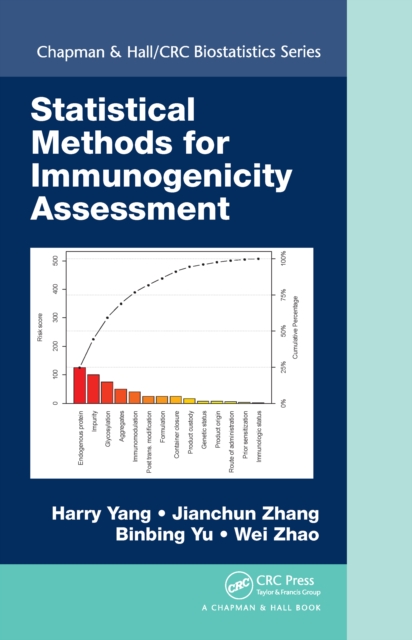
Develop Effective Immunogenicity Risk Mitigation StrategiesImmunogenicity assessment is a prerequisite for the successful development of biopharmaceuticals, including safety and efficacy evaluation.