This is a review text on medical microbiology and immunology containing approximately 625 board-type review questions on left-hand pages with answers and explanations on facing right-hand pages.
Utilizing a syndrome-based approach, Respiratory Infections provides pulmonologists, infectious disease specialists, and immunologists with essential and thorough knowledge of respiratory infections and the multitude of diseases that make us these infections, including pneumonia, tuberculosis, HIV, and cystic fibrosis.
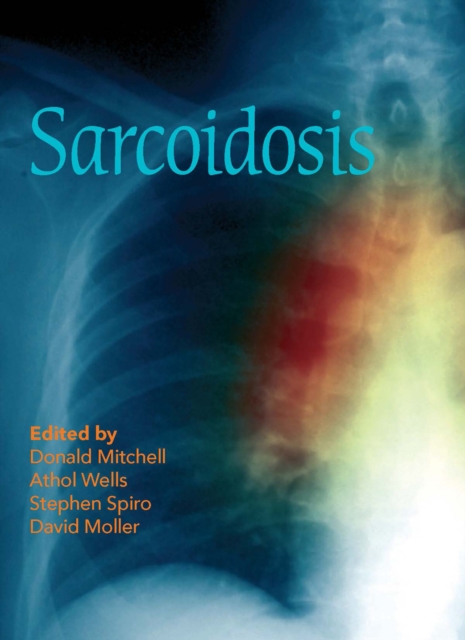
This reference serves as the most current and comprehensive source on the many aspects of sarcoidosis ranging from the basic science and pathophysiology of the disease to patient evaluation and treatment-providing a detailed analysis of the pulmonary aspects of the condition including chapters on radiographic manifestations, bronchoalveolar lavage
Highly Commended, BMA Medical Book Awards 2013Sarcoidosis represents a major challenge for physicians-not just in respiratory medicine, but across a range of specialties.
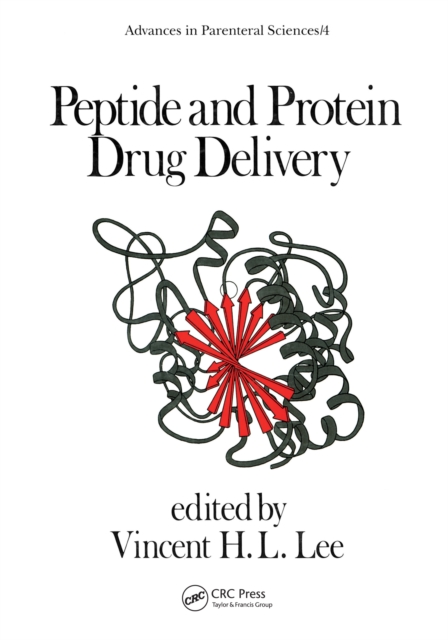
This reference/text covers fundamentals of peptide and protein drug delivery, including such considerations as synthesis, physical chemistry and biochemistry, analysis, proteolytic and transport constraints, pharmacokinetics, and pharmacodynamics; bioavailability from routes of administration, detai
The tumor necrosis factor/receptor [TNF/TNFR] superfamily consists of more than 20 transmembrane proteins with conserved N-terminal cysteine-rich domains [CRDs] in the extracellular ligand binding region.
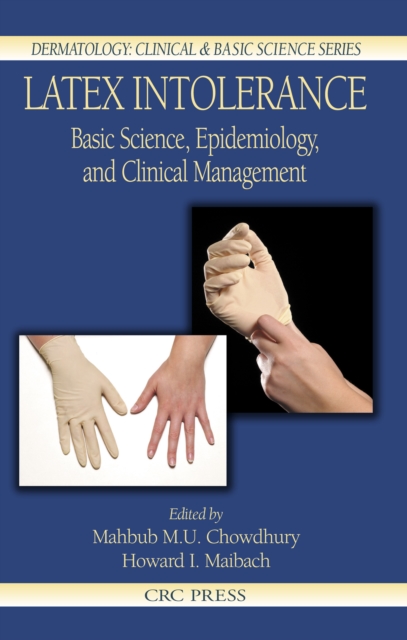
This comprehensive, definitive, and long overdue reference deals specifically with all the manifestations of latex intolerance including irritation, allergic contact dermatitis, and contact urticaria.
Hematological cancers or blood cancers are a heterogeneous group of malignant neoplasms, including leukemia, lymphoma, and myeloma, primarily affect the blood and bone marrow.
Hematological cancers or blood cancers are a heterogeneous group of malignant neoplasms, including leukemia, lymphoma, and myeloma, primarily affect the blood and bone marrow.
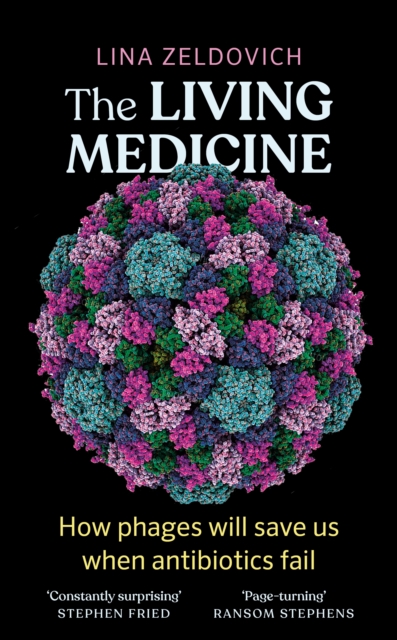
The fascinating and dramatic story of a forgotten, life-saving cure to conquer deadly bacterial infections - bacteriophages - and the remarkable scientists behind themWhen antibiotics started to fail the race to save humanity from deadly antibiotic resistant infections began.
This book aims to elucidate recent advancements in immunology, presenting a curated selection of topics not typically covered in conventional immunology textbooks.
This book aims to elucidate recent advancements in immunology, presenting a curated selection of topics not typically covered in conventional immunology textbooks.
The Antibodies presents models, theories, and techniques of molecular biology for understanding the mechanisms of antibody action, including the genetics, and receptor and channel action.
Interdisciplinary Rheumatology: Rheumatology and Gastroenterology is the first complete textbook to examine the myriad complications of rheumatic syndromes in the gastrointestinal tract.
This new book provides a clinically relevant overview of cancer immunology and immunotherapy, exploring the cutting-edge research behind cancers driving mechanism of immune suppression and providing radical new ideas for improving therapy by employing these principles.
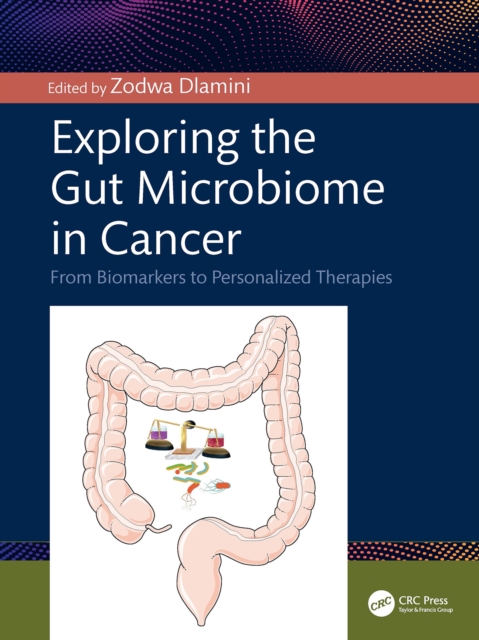
This book explores the relationship between the gut microbiome and cancer, illuminating various facets from fundamental roles to personalized therapies.
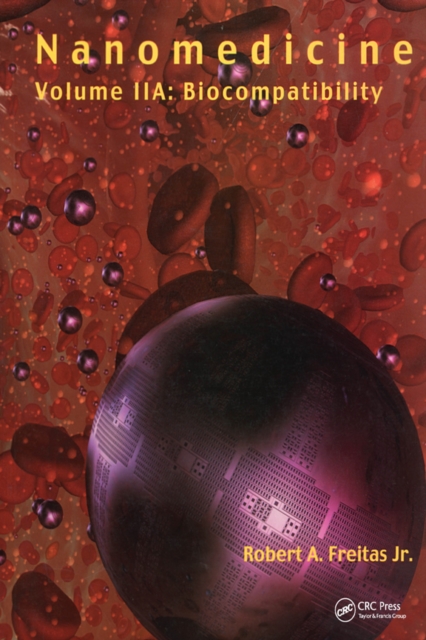
The safety, effectiveness, and utility of medical nanorobotic devices will critically depend upon their biocompatibility with human organs, tissues, cells, and biochemical systems.
This volume aims at delivering the state-of-the-art scientific and clinical know-how for the management of patients with Connective Tissue Diseases (CTDs).
This volume aims at delivering the state-of-the-art scientific and clinical know-how for the management of patients with Connective Tissue Diseases (CTDs).