This book offers a basic understanding of the complex mechanisms that protect the brain from harmful substances while still allowing for essential functions such as nutrient transport and waste removal.
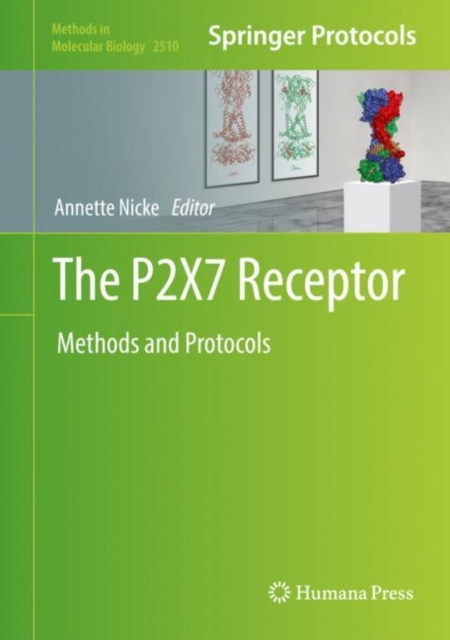
This detailed volume covers diverse aspects of P2X7 receptor analysis, ranging from its molecular structure to related pharmacological and immunological tools, via its analysis in heterologous expression systems as well as assays using primary cells and whole animal models.
This volume provides a comprehensive compilation of protocols in T cell repertoire analysis, from the leading experts in the field, representing both well-established methods and cutting-edge advances.
Advances in Immunology, Volume 150, the latest release in a long-established and highly respected publication, presents current developments and comprehensive reviews in immunology.
Transform Your Health by Harnessing Natures DefenseIn a world teeming with health challenges, understanding and optimizing your immune system has never been more crucial.
Translational Autoimmunity: Autoimmune Diseases in Different Clinical Settings addresses autoimmunity and associated conditions, such as aging, infectious diseases, cancer, neurodegeneration, psychological disorders, fertility, inflammatory vascular diseases, and interstitial lung diseases.
Understanding Pulmonary Pathology: Applying Pathological Findings in Therapeutic Decision Making provides a much needed reference tool for pathologists, practicing pulmonologists, and pulmonologist researchers.
G Protein-Coupled Receptors in Immune Response and Regulation, Volume 136 presents emerging concepts related to the role of GPCRs in immune response and regulation.
This detailed volume collects updates on the technical advances in hematopoietic stem cell research and incorporates new techniques focused on the molecular/genetic, cellular, and whole organism levels.
Pediatric abdominal organ transplantation is a complex procedure that requires a multidisciplinary team to ensure that outcomes are consistently excellent.
The interaction of immune function and nutrition underlies the low-grade chronic inflammation involved in the etiology of many common obesity-associated and age-related chronic disease conditions.
This detailed volume provides methods to guide assay development, procedures designed to investigate the chemokine and glycosaminoglycan (GAG) networks, as well as their interactions, in a wide range of organs and tissues in disease and in health.
This detailed volume provides an updated overview of current uses of peptide microarray technology, showcasing consolidated applications while highlighting some of the most intriguing novelties and emerging fields of use.
La migraña es un tipo de dolor crónico que afecta a amplios sectores de la población y, al mismo tiempo, pone en cuestión los modos de reconocer y legitimar socialmente un malestar ya que carece de evidencias empíricas, de respuestas certeras desde los saberes biomédicos, y su diagnóstico emerge luego de realizar estudios que dan bien y de descartar algo grave.
This book reviews recent advances in the molecular and infection biology, pathology, and molecular epidemiology of Mycobacterium tuberculosis, as well as the identification and validation of novel molecular drug targets for the treatment of this mycobacterial disease.
This book represents a new and hopeful paradigm for treatment of diseases that are spreading globally as countries adopt Western lifestyles and standards of living.
The recent explosion of information in innate immune pathways for recognition, effect or responses, and genetic regulation has given impetus to investigations into analogous pathways in the human immune response, which in turn has produced attendant insights into both normal physiology and immunopathology.
Recent years have seen the development of novel technologies that use nanoparticles and microparticles to deliver vaccines by the oral and microneedle-based transdermal route of administration.
This important book comprises a narrative account of research on the hepatitis B virus (and related subjects) and selected reprints from the laboratory of Nobel laureate Baruch S Blumberg and his colleagues.
Since the discovery of the circulating "e;fibrocyte"e; in 1994 as a collagen-producing cell of the peripheral blood, the physiologic and pathologic role of this unique cell populaton has grown steadily.
This book explains how the immune system functions, namely, how individual cells of the immune system make the decision to respond or not to respond to foreign microbes and molecules, and how the critical molecules function to trigger the cellular reactions in an all-or-none (quantal) manner.
The role of the cytokine, macrophage migration inhibitory factor (MIF), in the immune response and in the immunopathogenesis of different inflammatory, autoimmune, and infectious disorders is now well established.
Strategies for Protecting Your Child's Immune System is the first book to focus on prevention of environmental damage to the immune system of embryos, babies and older children.
The book comprehensively reviews and provides detailed insight into the cellular and molecular signalling mechanisms involved in pathophysiology of various respiratory diseases, towards developing effective therapeutic strategies in the management and treatment of lung disease.
This book is aimed to cover the role of genetic polymorphisms in human genes related to RBC disorders, metabolic enzymes, immune response, and cytoadherence in the susceptibility/resistance to malaria caused by Plasmodium falciparum.
This book is a practical resource for clinicians who manage patients with chronic cough, which represents a major challenge in the clinic due to multiple diagnostic and therapeutic considerations.
This book comprehensively documents the application of Nanobiomaterials in the field of bio-medicine and diagnostics technologies by involving classical concepts/examples.
This book offers an excellent introduction to the use of novel therapeutic vaccines for common diseases based on their ability to induce antibody production.
This book reviews recent advances in the molecular and infection biology, pathology, and molecular epidemiology of Mycobacterium tuberculosis, as well as the identification and validation of novel molecular drug targets for the treatment of this mycobacterial disease.
This book comprehensively describes the association between metabolic syndrome and pancreatic cancer progression, and the mechanism of action and target definition with a view to drug discovery.
'Research on immunity has dramatically expanded in recent six decades, yielding exciting new information concerning the molecules and cells that initiate the multi-faceted processes combined under the term 'Molecular Immunity'.