Over the last decade, enormous progress in the understanding of T-cell homing has made it possible to identify the multitude of molecules involved, such as cytokines, chemokines, and adhesion molecules, and to unravel their complex interactions resulting in controlled, non-random T-cell recirculation.
Filled with an abundance of reader-friendly and quick-reference tables and figures, this Fourth Edition spans the etiology, epidemiology, clinical features, diagnosis, pathology, and treatment of multiple sclerosis (MS).
Responding to the growth of research in the field over the past decade, this book brings together leading investigators with expertise in pulmonology, pathology, and developmental biology to clarify the mechanisms that regulate the development of bronchial vascular remodeling in asthma and COPD, as well as explore the pathophysiological processes that may impact the formulation of new therapeutic strategies for these conditions.
Filling a gap in the literature, this guide analyzes EBV infection and all of its associated disorders including infectious mononucleosis, Burkitt lymphoma, and Hodgkin's disease.
Rhinosinusitis is increasing in prevalence and incidence, and has been estimated to affect approximately 31 million patients in the United States each year.
Continuing the tradition set by the first and second editions, each a bestseller in its own right, the third edition of Immunotoxicology and Immunopharmacology provides reviews of environmental agents, updated to reflect the latest information on how these agents influence immune system function and health.
This unique book is a first-of-its-kind resource, comprehensively guiding readers through the epidemiology, pathophysiology, recent diagnostic criteria, and management options for patients with Food Protein-Induced Enterocolitis Syndrome (FPIES).
This publication was initiated on the occasion of the NATO-Advanced Study Institute (ASI) meeting "e;Stem Cells and their potential for clinical application"e; which took place from August 23 - 25, 2006 in Kyiv and from August 26 - 31, 2006 in Simeiz, Ukraine.
Although the means of diagnosing and treating fungal infections have improved greatly over the last decade fungi still represent a serious threat to the health of immunocompromised and immunodeficient patients.
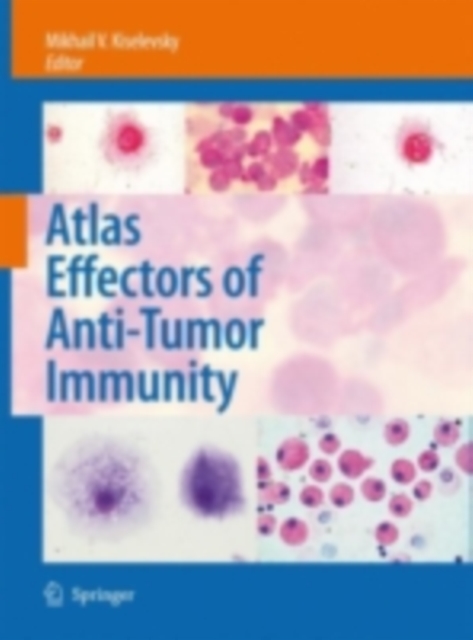
The "e;Atlas Effectors of Anti-Tumor Immunity"e; is a unique scientific publication, which includes major issues of up-to-date information about immunophenotype, morphology and function of main effectors of anti-tumor immunity presented in a reasonable format.
"e;General Principles of Tumor Immunotherapy: Basic and Clinical Applications of Tumor Immunology"e; brings together the world's leading authorities on tumor immunology.
In June 1981, the Centers for Disease Control and Prevention reported the first evidence of a new disease that would later become known as Acquired Immunodeficiency Syndrome (AIDS).
Heat Shock Proteins: Potent Mediators of Inflammation and Immunity currently provides the most up-to-date review on new mechanisms and provides exciting insights into how heat shock proteins modulates the hosts immune response.
The existence of a unique kind of immune cell - the killer lymphocyt- which destroys other cells in a highly specific manner, has fascinated immunologists for almost half a century.
This book is an excellent, up-to-date reference on a relatively young area of research in which virology, cellular biology and molecular pathogenesis govern the principles of coinvestigation.
'In an era of heightened awareness of our immune system, the threat of pandemics, the rise of autoimmunity, and the revelatory new science that everything from heart disease to cancer, Alzheimer's to autism, and depression to diabetes is linked to disordered immune function and inflammation, The Immunotype Breakthrough is the most important guide available today to understand and optimise our immune function.
Immunity is as old as illness itself, yet historians have only just begun to take up the challenge of reconstructing the modern transformation of attempts to protect against disease.
Immunity is as old as illness itself, yet historians have only just begun to take up the challenge of reconstructing the modern transformation of attempts to protect against disease.
Serving to bridge the gap between differing approaches to psychology, this new text provides some of the most compelling evidence yet for the subjective presence and objective efficacy of the mental image.
Serving to bridge the gap between differing approaches to psychology, this new text provides some of the most compelling evidence yet for the subjective presence and objective efficacy of the mental image.
Allergy and Allergen Immunotherapy: New Mechanisms and Strategies is a valuable and comprehensive book that covers allergy and causative allergens and provides diagnostic and therapeutic aspects as well.
Nanomedicine for Inflammatory Diseases is a cutting-edge resource for clinicians and scientists alike, working at the intersection of development and clinical therapeutics.
This book explores the recent advances and integrations in molecular technology in food research platforms, which have revolutionized the way we discover and trace potential allergens in our food and drugs and how we utilize that for diagnosis and management.
Designed as an introductory textbook, Infection, Resistance and Immunity provides basic information on the workings of the immunological system and on infectious processes and their control.
Designed as an introductory textbook, Infection, Resistance and Immunity provides basic information on the workings of the immunological system and on infectious processes and their control.
Myasthenia Gravis is a neuromuscular disease, caused by an auto-immune process interfering with the acetylcholine receptors at the postsynaptic membrane of the muscle.