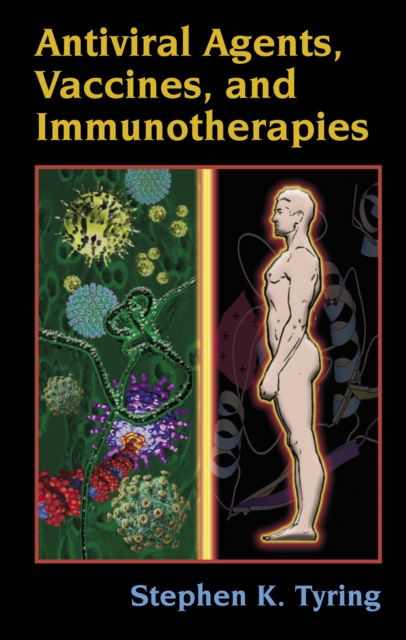
Providing an analysis of the benefits and limitations of every available drug, vaccine and immunotherapy used to control and prevent antiviral diseases, this unique and genuinely comprehensive text is unlike any other current reference of its kind.
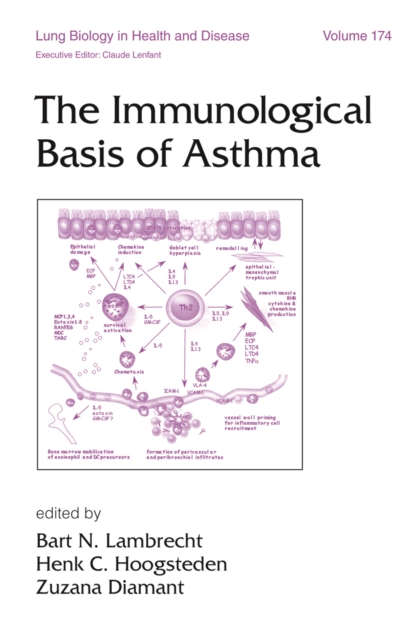
This text assesses the role of dendritic cells, T and B lymphocytes, epithelial and mast cells, eosinophils, neutrophils, macrophages, and their products in the initiation and progression of airway inflammation, regulation, and repair.
This book integrates recent advances in molecular and cell biology of hematopoietic stem cells (HSC) with developments in clinical research in stem cell-based therapy-providing an up-to-date review of novel cytokines and cellular components; animal models; cell preparation, selection, and collection; minimal residual disease and purging; expansion
This edited volume contains a selection of chapters that are an outgrowth of the - ropean Conference on Mathematical and Theoretical Biology (ECMTB05, Dresden, Germany, July 2005).
Cancer glycobiology is a blazing hot area of cancer research with aberrant post-translational glycosylations on lipids and proteins considered critical for cancer development and metastasis.
Much has been written about food allergies in scientific journals and in the lay press, but Food Allergies: Processing Technologies for Allergenicity Reduction approaches the issue of food allergies from an industrial processing rather than a clinical perspective.
Regulatory T cells and Autoimmune Diseases addresses recent findings concerning the role of Tregs in the pathogenesis of autoimmune diseases as well as their therapeutic aspects.
This book elucidates the diagnostic criteria and concept of asthma-COPD overlap (ACO) and provides the latest information on its epidemiology, pathophysiology, diagnostic criteria, and treatment options.
Historically, the field of hematopoietic growth factor research began with the work of Carnot and Deflandre-in 1906 they suggested that the rate of erythropoiesis is regulated by a humoral factor found in the blood, namely, erythropoietin.
The study of immunology encompasses a vast and ever-growing body of information that in some way or other incorporates most areas of medical biological research.
In 1986, the Committee of Experts on Blood Transfusion and Immunohae- tology of the Council of Europe chose for their Programme of Co-ordinated Research "e;An investigation of the procurement and sharing of transplantable organs for potential recipients who are highly sensitized to HLA-antigens"e;.
An essential guide to optimising your immunity and feeling your best - all year roundThousands of us are struck down by colds, flu and other viruses every year.
The Digestive System in Systemic Autoimmune Diseases, Second Edition, represents the state-of-the-art in the field of digestive disorders in the most common systemic autoimmune diseases.
Pediatrics in Systemic Autoimmune Diseases, Second Edition, provides a good starting point for physicians and scientists new to the field and for anyone looking for the most up-to-date summary of a particular disease.
Written by field experts, Neuroimmunology in Clinical Practice fills a void in traditional neuroimmunology literature, which tends to cover the discipline s scientific aspects with little emphasis on clinical applications.
Continuing the exciting series of BNF Task Force Reports, Adverse Reactions to Foods covers in depth food allergy, food intolerance, nutrition and the immune system and autoimmune disease.
Immunization: Childhood and Travel Health provides an all-encompassing reference for all those working in primary care, secondary care paediatric wards, immunization centres and travel clinics, as well as medical students and candidates working for higher examinations.
Many different pathological conditions are currently under investigation as therapeutic targets of purines including cancer, cardiovascular conditions, behavioural disorders, inflammation, immunoregulation, and neuroendocrine function.
An interdisciplinary and multinational group of specialists present contributions describing the current status of vaccines against virally induced tumors and discuss the means by which they can be improved.
Reviews recent basic research into IgE, mast cells, and the allergic response and the relevance of this work to human pathophysiology, and discusses new methods of treatment.
The number of factors implicated in the regulation of cell proliferation and differentiation is already considerable and more are continually being identified.
This work focuses on the autoimmune processes that have now been proven to underlie a number of serious diseases, including diabetes mellitus, rheumatoid arthritis and multiple sclerosis.
2012 PROSE Award, Clinical Medicine: Honorable MentionThe vast majority of medically important pathogens infect their host across a body surface such as the skin, or across a mucosal tissue such as the respiratory tract or intestines, as these sites are the ones exposed to the external environment.
Part of the prestigious Novartis Foundation series, this volume uniquely addresses the use of innate immunity to treat or prevent infectious diseases of the lung.
This title provides an extremely helpful analysis of genes that may be associated with autoimmunity, and answers questions such as how these genes can be identified, and how the functions of the gene products can be elucidated.
The book presents recent advances relating to the factors and mechanisms that regulate the growth, differentiation and function of mast cells and basophils; discussion of new technologies used to study these cells, and integration of the basic scientific findings in the context of therapeutic possibilities for the treatment of diseases such as allergic inflammation and autoimmune disease which are mediated, in part, by these granulocytes.
El conocimento histologico del sistema nervioso es clave importante para la comprension de su fisiologia, lo que permite entender los mecanismos nerviosos mediante los cuales percibimos lo que acontece en nuestro mundo interno y la manera como nos relacionamos e interactuamos con el mundo externo.
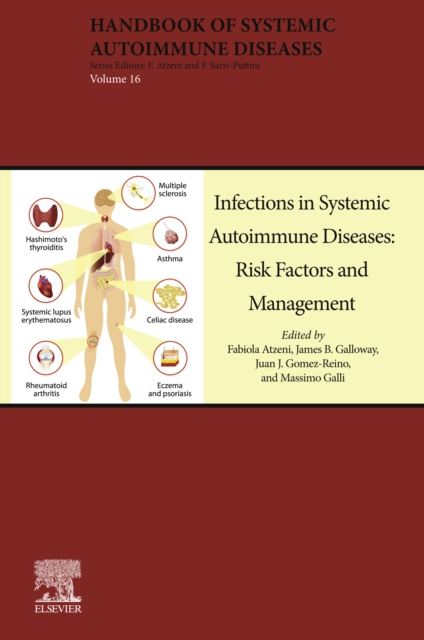
Infections in Systemic Autoimmune Diseases: Risk Factors and Management, Volume Sixteen describes the state-of-the-art of the risk factors and management treating the most common systemic autoimmune diseases (SADS).
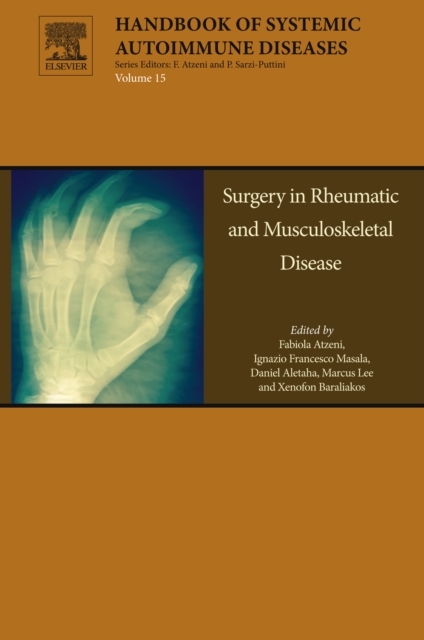
Surgery in Systemic Autoimmune Disease, Volume 15, describes the state-of-the-art of the use of surgery in treating the most common systemic autoimmune diseases (SADS).
The Digestive System in Systemic Autoimmune Diseases, Second Edition, represents the state-of-the-art in the field of digestive disorders in the most common systemic autoimmune diseases.
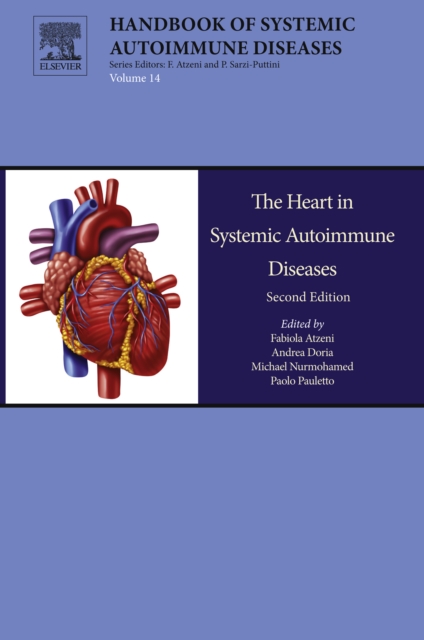
The Heart in Systemic Autoimmune Diseases, Second Edition, provides an overview on our current understanding of major complications relating to the heart and autoimmune diseases.
Pediatrics in Systemic Autoimmune Diseases, Second Edition, provides a good starting point for physicians and scientists new to the field and for anyone looking for the most up-to-date summary of a particular disease.
Autoimmune Neurology presents the latest information on autoimmune neurologic disease, the immune response to the body where organs run wild, causing the immune system to attack itself.