Biomarkers and Biosensors offers thorough coverage of biomarker/biosensor interaction, current research trends, and future developments in applications of drug discovery.
It is now well recognized that the brain, and especially the hypothalamus, plays an important role in the regulation of immune reactions and inflammation.
Autoimmunity, COVID-19, Post-COVID-19 Syndrome and COVID-19 Vaccination covers all aspects of what is perhaps the most dramatic health crisis in the history of modern medicine.
This book lays out a number of the general issues concerning the structure of rugged fitness landscapes and examines both the history and the current status of experimental work on somatic mutation and the maturation of the immune response.
Assuming that the complex phenomena underlying the operation of the immune system may be better understood through the collaborative efforts of theorists and experimentalists viewing the same phenomena in different ways, the Sante Fe Institute and the Theoretical Division of Los Alamos National Laboratory cosponsored a workshop entitled "e;Theoretical Immunology"e;.
Assuming that the complex phenomena underlying the operation of the immune system may be better understood through the collaborative efforts of theorists and experimentalists viewing the same phenomena in different ways, the Sante Fe Institute and the Theoretical Division of Los Alamos National Laboratory cosponsored a workshop entitled "e;Theoretical Immunology.
This book lays out a number of the general issues concerning the structure of rugged fitness landscapes and examines both the history and the current status of experimental work on somatic mutation and the maturation of the immune response.
Assuming that the complex phenomena underlying the operation of the immune system may be better understood through the collaborative efforts of theorists and experimentalists viewing the same phenomena in different ways, the Sante Fe Institute and the Theoretical Division of Los Alamos National Laboratory cosponsored a workshop entitled "e;Theoretical Immunology"e;.
Assuming that the complex phenomena underlying the operation of the immune system may be better understood through the collaborative efforts of theorists and experimentalists viewing the same phenomena in different ways, the Sante Fe Institute and the Theoretical Division of Los Alamos National Laboratory cosponsored a workshop entitled "e;Theoretical Immunology.
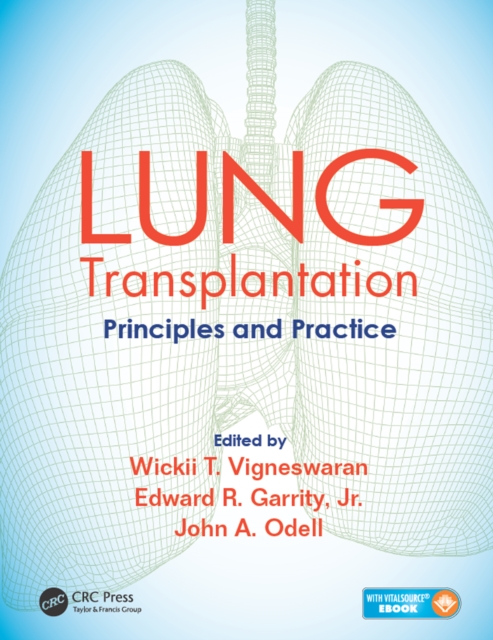
Lung Transplantation: Principles and Practice covers the current practice in donor and recipient management as well as current treatment strategies and outcomes.
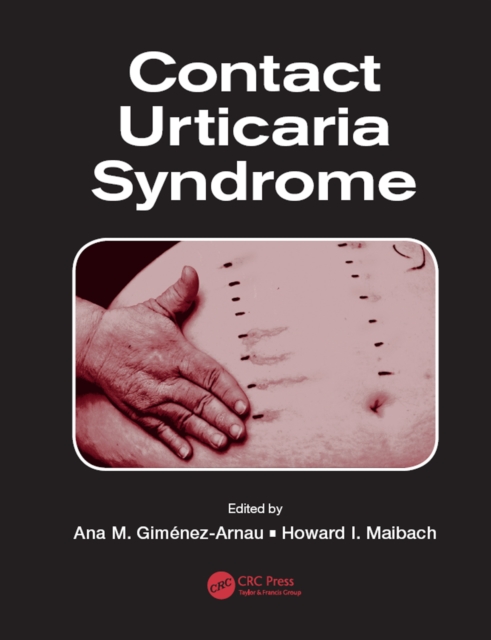
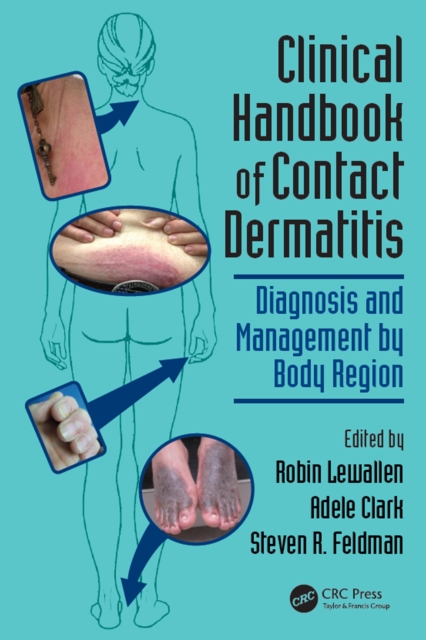
The Clinical Handbook of Contact Dermatitis: Diagnosis and Management by Body Region uses a succinct approach to help clinicians manage this multifaceted condition.
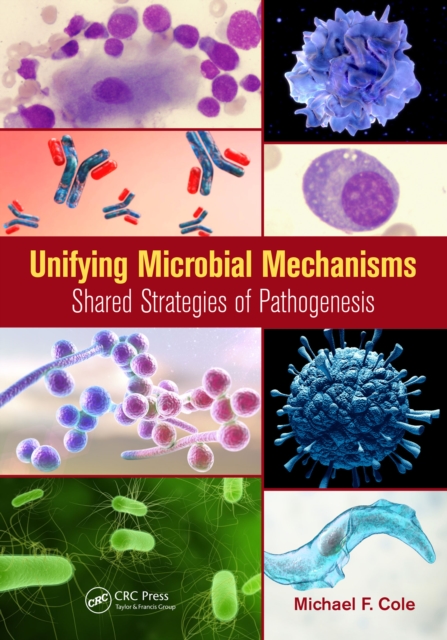
Microbial pathogenesis is the study of the mechanisms by which microbes (bacteria, viruses, protozoa, and multicellular parasites) cause infectious disease and make their hosts (humans) ill.
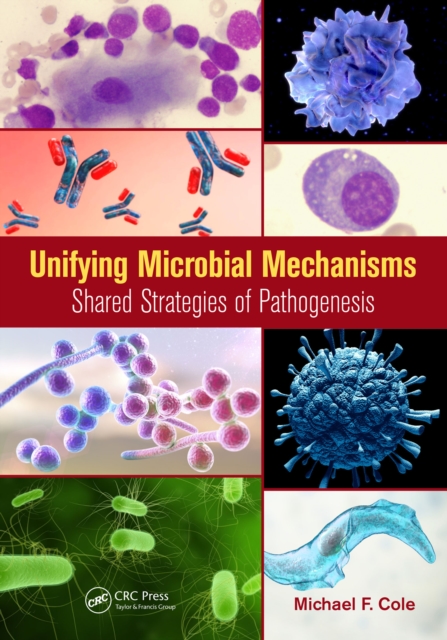
Microbial pathogenesis is the study of the mechanisms by which microbes (bacteria, viruses, protozoa, and multicellular parasites) cause infectious disease and make their hosts (humans) ill.
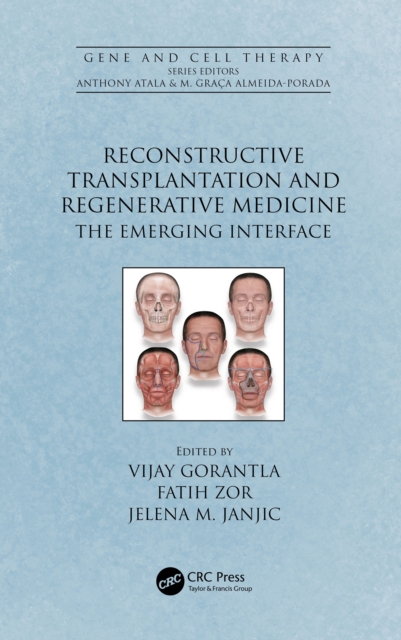
This book summarizes rapid progress and innovation in transplantation and regenerative medicine - the merger of reconstructive plastic surgery and transplantation - called Vascularized Composite Allotransplantation.
Presents classic and recent findings on immunological dysfunctions caused by food allergies-coordinating the most advanced clinical techniques and assessment methods with practical insights for treatment and patient care.
The Manual of Immunological Methods represents the collaboration of the Canadian Network of Toxicology Centers, a non-profit network of university-based scientists dedicated to research, training, risk assessment, and communication.
This book summarizes rapid progress and innovation in transplantation and regenerative medicine - the merger of reconstructive plastic surgery and transplantation - called Vascularized Composite Allotransplantation.
In this edition of the Emerging Infectious Diseases of the 21st Century Series, the editor reviews the research, diagnosis, and treatment of some common infections facing researchers, clinicians and family physicians such as sinusitis, otitis media and pertussis in adults.
Course covers topics in infectious diseases in children and is intended for Pediatric Infectious disease trainees, trainers, and all those who manage children with infections.
Innate immunity is one the most evolutionally conserved systems, designed to protect the organism from viruses and bacterial infections, stress and many other types of attacks from the outside world.
Complement has long been regarded as a pivotal effector arm of the innate immune response, eliciting important immunoregulatory functions in the context of inflammation and also serving as a vital link between the innate and adaptive immune response.
A particular issue for biopharmaceuticals that has not been addressed comprehensively in any book, is the potential of an immune response to the biopharmaceutical product.
Asthma, Health, and SocietyA Public Health PerspectiveEdited by Andrew Harver, University of North Carolina at Charlotte, CharlotteHarry Kotses, Ohio University, Athens Asthma, Health, and Society is a comprehensive, current resource on this complex disease its scope, human costs, and management from a combined social ecology/public health perspective.
During the past decades, with the introduction of the recombinant DNA, hybridoma and transgenic technologies there has been an exponential evolution in understanding the pathogenesis, diagnosis and treatment of a large number of human diseases.
The reader will be introduced to various aspects of the fundamentals of nanotechnology based drug delivery systems and the application of these systems for the delivery of small molecules, proteins, peptides, oligonucleotides and genes.
The 34th Annual Conference of the International Society on Oxygen Transport to Tissue (ISOTT) was held during August 12-17, 2006 in Louisville, Kentucky, USA.
This book reviews, updates, and synthesizes the recent accomplishments and on- ing research in the field of composite tissue allotransplantation (CTA).
Hot Topics in Infection and Immunity in Children IV contains chapters based on lectures given by speakers at the "e;Infection and Immunity in Children"e; course, held in June 2006 at Keble College, Oxford.
Up until approximately 20 years ago, the idea that the central nervous system (CNS) and components of the immune system were dynamically interactive was considered impossible (or at least highly unlikely) as the CNS was judged an immunosuppressive environment based upon experimental evidence highlighting the survival of tissue grafts within the brain.