The new edition of this unique resource, grounded on an understanding that our global world is more connected than it has ever been, provides an essential survey of infectious diseases based on both clinical presentation and geographical area of exposure.
The "e;Lung Cancer Diagnosis and Treatment: An Interdisciplinary Approach"e; is the ninth volume of the "e;Interdisciplinary Cancer Research"e; series, publishes comprehensive reviews on the diagnosis and treatment of lung cancer.
The "e;Lung Cancer Diagnosis and Treatment: An Interdisciplinary Approach"e; is the ninth volume of the "e;Interdisciplinary Cancer Research"e; series, publishes comprehensive reviews on the diagnosis and treatment of lung cancer.
Advances in Immunology, Volume 164, the latest release in a long-established and highly respected publication, presents current developments and comprehensive reviews in immunology.
Phytonutrients in the Treatment of Breast Cancer delves into the evolving role of phytonutrients as powerful therapeutic agents in the fight against breast cancer.
'Nadie Debería Morir Solo' ofrece un análisis detallado y reflexivo sobre la percepción del ser humano ante la muerte propia y ajena, y cómo esta percepción pudo cambiar durante los meses más duros de la pandemia de COVID-19.
This timely new reference integrates the latest clinical results and laboratory studies on the resistance of specific cancers to chemotherapeutic drugs-covering drug resistance in lung, breast, ovary, and colon cancer as well as hematological malignancies.
The sixth edition of this internationally successful text includes the many positive advances in radiation oncology that have occurred over the past decade, and which continue to keep radiation at the cutting edge of cancer therapy.
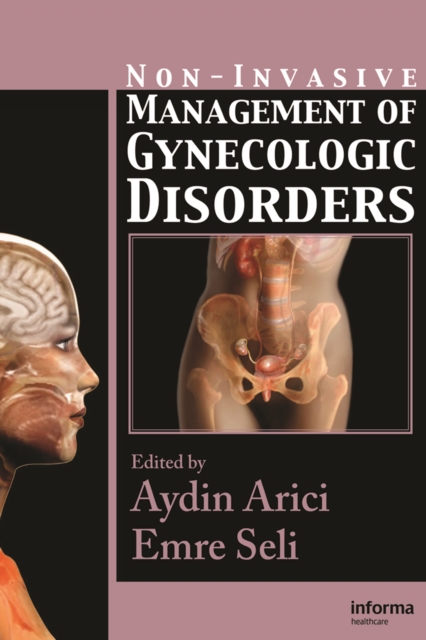
Non-invasive options for the management of gynecologic conditions continue to grow in popularity, as they offer considerable benefits in reduced patient stress, hospitalization time, and cost.
Rapid advances in nanotechnology have enabled the fabrication of nanoparticles from various materials with different shapes, sizes, and properties, and efforts are ongoing to exploit these materials for practical clinical applications.
In recent years, the clinical evolution of thyroid diseases has been studied exhaustively as new discoveries have been made about thyroid malfunction and the effective management of patients.
This book summarizes the etiology, presentation, and treatment of the complex symptoms, infections, and opportunistic cancers of people living with HIV/AIDS.
Hematopoietic stem cell transplantation (HSCT) is currently utilized as a treatment option for a variety of life-threatening conditions affecting children and young adults including leukemia, lymphoma, neuroblastoma, brain tumors, inherited immune deficiency syndromes, blood disorders, and inherited metabolic diseases.
Volume 1: Strategies for Therapeutic Cancer Vaccine Development deals with different strategies of cancer vaccine development, focusing on techniques for the development of therapeutic cancer vaccines and the roles of tumor antigens, proteins/peptides, microbial genes, and stem cells for the development of vaccines for cancer management.
Cytokine Response Against Major Human Viral Infections provides coverage on the role and mode of possible impact of cytokines on disease pathogenesis and host immune response.
First published in 1973, Short Textbook of Public Health Medicine for the Tropics, Fourth Edition was designed to provide medical students and other trainees with an introduction to the principles of public health with special reference to the situation in developing countries of the tropics.
This book presents ideas and procedures for regression analysis of survival data in cancer chemotherapy based on regression-based approaches for improvements in the quality of care through the effective location of optimal treatment levels.
Neurovirology is an interdisciplinary field representing a melding of virology, clinical neuroscience, molecular pathogenesis, diagnostic virology, molecular biology, and immunology.
This book presents the role of nanoparticles in cancer therapy, emphasizing their innovative applications across treatment, diagnosis and the development of therapeutic strategies.
This ground-breaking volume provides the first comprehensive resource for health professionals managing the rehabilitation of people experiencing Long COVID.