Grants for research centers located in universities, medical centers, and other nonprofitresearch institutions account for about 9 percent of the National Institutes ofHealth budget.
From 1962 to 1971, the US military sprayed herbicides over Vietnam to strip the thick jungle canopy that could conceal opposition forces, to destroy crops that those forces might depend on, and to clear tall grasses and bushes from the perimeters of US base camps and outlying fire-support bases.
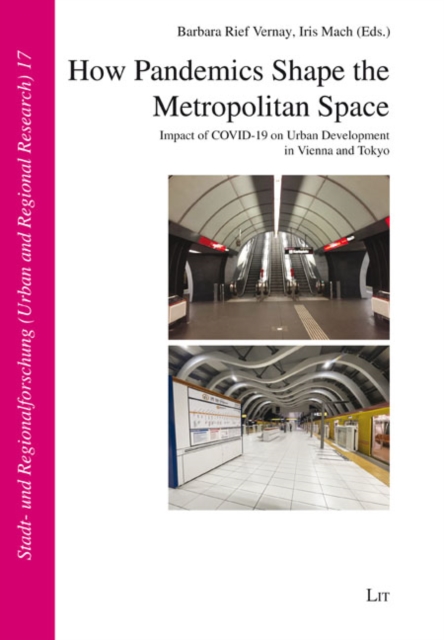
During the COVID-19 pandemic, health professionals adapted, innovated, and accelerated in order to meet the needs of students, patients, and the community.
Throughout history, perhaps no other disease has generated the level of social, scientific, and political discourse or has had the degree of cultural significance as cancer.
Since the late 1960s, the survival rate in children and adolescents diagnosed with cancer has steadily improved, with a corresponding decline in the cancer-specific death rate.
In response to the concerns voiced by Vietnam veterans and their families, Congress called upon the National Academy of Sciences (NAS) to review the scientific evidence on the possible health effects of exposure to Agent Orange and other herbicides.
Public health officials and organizations around the world remain on high alert because of increasing concerns about the prospect of an influenza pandemic, which many experts believe to be inevitable.
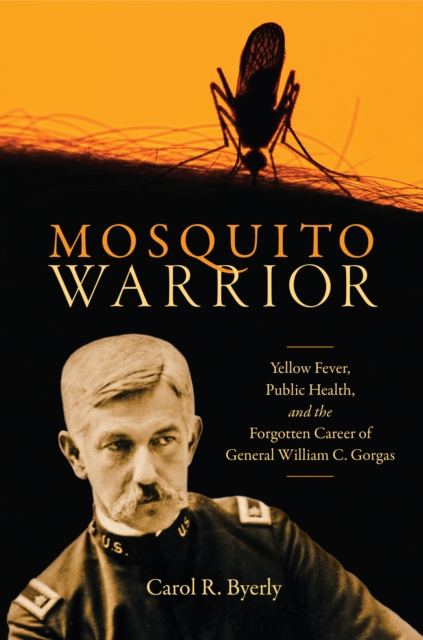
Vector-borne infectious diseases, such as malaria, dengue fever, yellow fever, and plague, cause a significant fraction of the global infectious disease burden; indeed, nearly half of the world's population is infected with at least one type of vector-borne pathogen (CIESIN, 2007; WHO, 2004a).
Third in a series of six congressionally mandated studies occurring biennially, this book is an updated review and evaluation of the available scientific evidence regarding the statistical association between exposure to herbicides used in Vietnam and various adverse health outcomes suspected to be linked with such exposures.
In response to the concerns voiced by Vietnam veterans and their families, Congress called upon the National Academy of Sciences (NAS) to review the scientific evidence on the possible health effects of exposure to Agent Orange and other herbicides.
Vector-borne infectious diseases, such as malaria, dengue fever, yellow fever, and plague, cause a significant fraction of the global infectious disease burden; indeed, nearly half of the world's population is infected with at least one type of vector-borne pathogen (CIESIN, 2007; WHO, 2004a).
Despite overwhelming evidence of tobacco's harmful effects and pressure from anti-smoking advocates, current surveys show that about one-quarter of all adults in the United States are smokers.
Advances in technologies and knowledge are creating new avenues for research and opportunities for the discovery and clinical development of innovative therapies and diagnostics.
The number of people infected with HIV or living with AIDS is increasing at unprecedented rates as various scientists, organizations, and institutions search for innovative solutions to combating and preventing the disease.
This report analyzes how the pandemic has impacted investment in infrastructure in Southeast Asia and assesses how infrastructure development can help drive economic recovery and support sustainable growth.
En El mapa fantasma se cuenta la historia de la aterradora epidemia de cólera que envolvió Londres en 1854 y sus dos héroes poco probables: el anestesista doctor John Snow y el afable clérigo, el reverendo Henry Whitehead, quienes derrotaron la enfermedad mediante una combinación de conocimiento local, investigación científica y elaboración de mapas.
This report assesses social protection measures in Asia and outlines the need for more inclusive, shock-responsive policies to cut poverty and to spur equitable development.
Pain is the number-one reason American visit their doctors, Back pain, muscle aches, arthritis affect millions of people daily, limiting their activities and costing billions in medical care.
This book is an easy-to-use reference that provides ready guidance on the diagnosis and treatment of the full range of tumors of the central nervous system in adults and children.