Is the nephrology community facilitating excess cardiovascular deaths in patients with kidney failure and anemia by treating to a subnormal hematocrit?
Ethical Problems in Dialysis and Transplantation presents an overview of issues with which nephrologists and decision makers are confronted in their daily practice.
Internists, surgeons, critical care physicians and nephrologists all treat critically ill patients with renal failure and the multiple system organ dysfunction syndrome.
In all varieties of organ transplants, early results have dramatically improved over the past two decades and failures due to acute rejection are becoming rarer.
At the brink of the third millennium organ transplanta- mati on how, in the case of shortage, a fair allocation of tion will become routine and the results will be so ex- the scarce organs can be achieved.
The last twenty years has seen the biggest revolution in the treatment of renal tract stone that has ever been experienced in the history of urolithiasis.
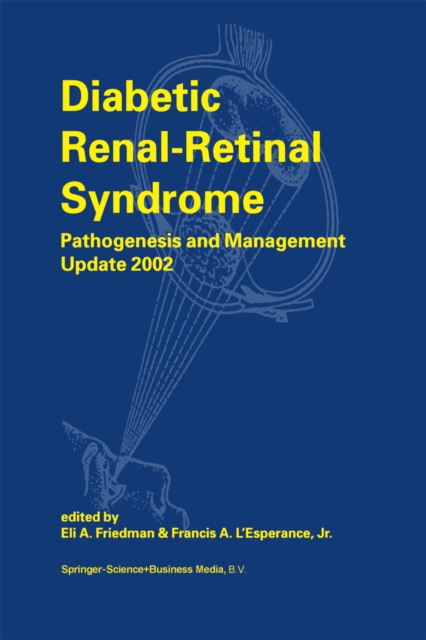
After a decade or longer, approximately one-third of individuals with either type 1 or type 2 diabetes commence a downhill course in which decreasing renal function and failing vision define a Renal-Retinal Syndrome, dominating all aspects of life and presaging early death.
Immunosuppression in solid organ transplantation is currently experiencing a worldwide revival since new drugs are now available and others are under development.
This book, the proceedings of the 32nd International Conference on Transplantation and Clinical Immunology, held in Lyon, France, on May 25-26, 2000, addresses novel issues in terms of changing indications for transplantation in the management of organ failure, whether humans will remain the only source for organ procurement, prospects for engineering in organ replacement, and whether transplantation will remain the most appropriate approach to organ failure.
Because of many advances in medicine and biotechnology, an increasing number of individuals are surviving into old age, and we are now challenged to apply sophisticated medical knowledge to the care of the elderly citizen.
Over the last few years, transplantation knowledge and techniques, as well as insights into pharmacology, have improved, thus enabling greater access to transplantation for patients.
Although it has been appreciated for many years that immune processes underlie most types of glomerulonephritis, it is the recent explosion in knowl- edge of cellular and molecular immunology that has prompted another book on the subject.
This volume is based on a very successful meeting on organ transplantation that was held in Kuwait in 1990 under the auspices of the Middle East Society for Organ Transplantation.
The contents of this book represent papers which were presented at the Third International Meeting on "e;Side-Effects of Anti-Inflammatory and Analgesic Drugs"e; which was held under the auspices of the University of Verona, Institute of Pharmacology in Verona on 8-11 May 1991.
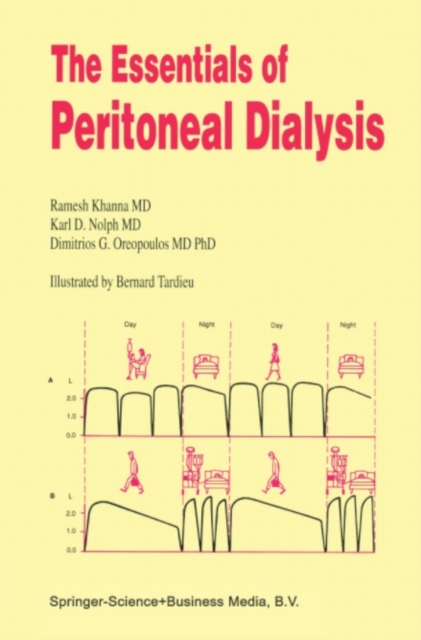
Designed for daily use by professionals responsible for caring for patients with renal disease, this long-awaited primer provides a simplified, up-to-date review of peritoneal dialysis.
Rejection and Tolerance is the latest subject in the Continuing Education series, organized by Fondation Marcel Merieux and Universite Claude Bernard in Lyon.
Organ Shortage: The Solutions is the latest subject in the Continuing Education series, organized by Fondation Marcel Merieux and Universite Claude Bernard in Lyon.
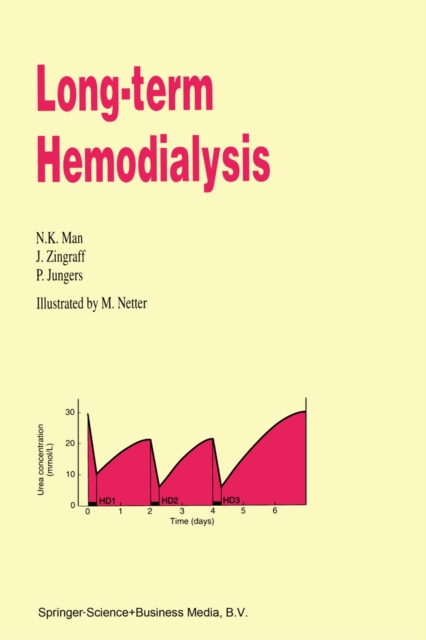
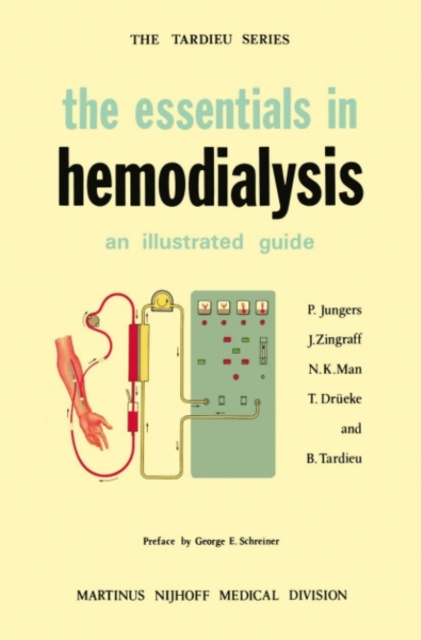
Major advances in both the technology and the medical knowledge of maintenance hemodialysis have been made since the early stages of such treatment in the 60s.
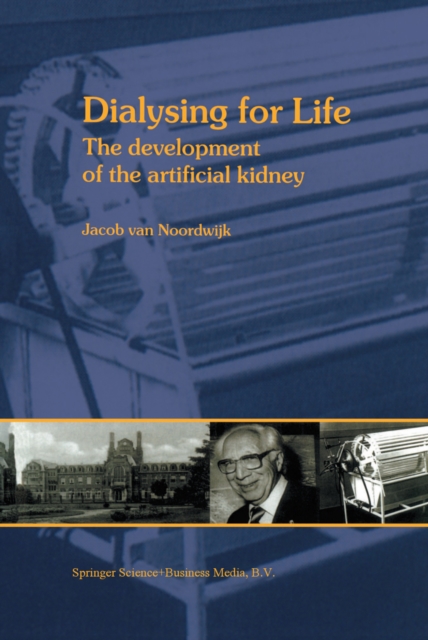
Seeing a patient die under his hands because there is no adequate treatment causes an emotion and a frustration in a doctor, which sometimes stimulates him to try to develop a new type of treatment.
Fresh insights into the pathogenic mechanisms by which hyperglycemia induces tissue and organ injurt are the basis for rapidly evolving promising therapies in diabetes.
This title provides a comprehensive and state-of-the-art summary of current and future immunosuppressive strategies in transplantation, with emphasis on the basic science mechanisms and clinical applicability of these strategies.
At the end of 1976 there were 34,215 people with end-stage renal disease alive on dialysis and transplantation within the registry centers of the European Dialysis and Transplant Association (14:4, 1977).
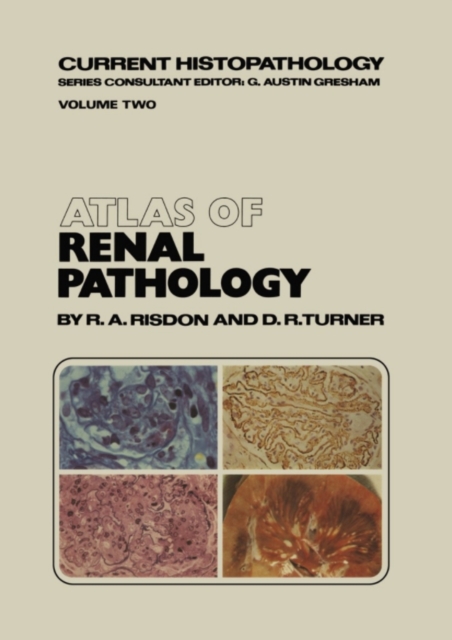
This book is intended as a practical bench manual phological abnormalities in renal diseases, and for the hospital pathologist who wishes to have where appropriate these have been illustrated.