Heal yourself and find a path through trauma with the transformative guide to recognising, preventing and healing trauma from the acclaimed mental health doctor.
Emergency Medicine Survival Guide is a book that is very informative and gives a practical approach to medical personnel in the emergency room setting.
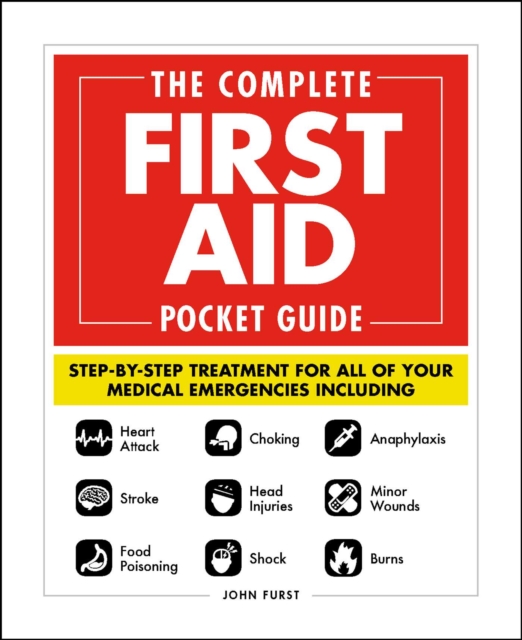
From minor cuts and burns, to heart attacks and strokes, this handy, take-anywhere guide gives you the knowledge and advice you need to recognize and respond to any medical emergency.
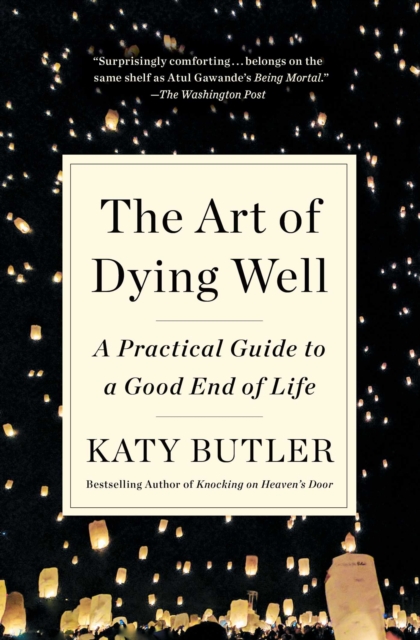
This ';comfortingthoughtful' (The Washington Post) guide to maintaining a high quality of lifefrom resilient old age to the first inklings of a serious illness to the final breathby the New York Times bestselling author of Knocking on Heaven's Door is a ';roadmap to the end that combines medical, practical, and spiritual guidance' (The Boston Globe).
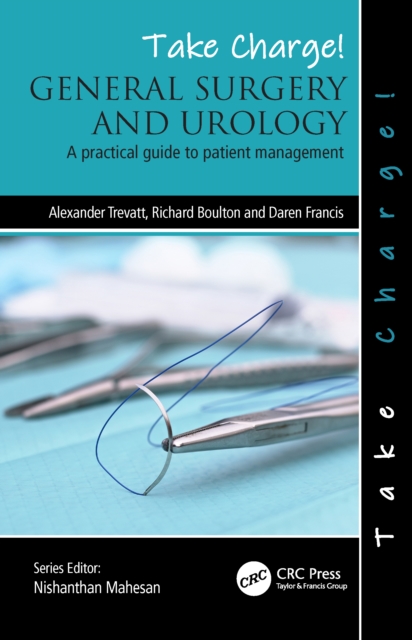
As a junior doctor starting a surgery or urology rotation, you are expected to take charge of referrals from - and give specialist advice to - A&E, GPs and other specialties.
Succinct and highly illustrated, the third edition of this handy pocket guide enables practitioners to successfully manage common minor injuries in children at the point of care.
This revised and updated book explores the academics behind managing the complex service environment that is the Emergency Department (ED) by combining applied management science and practical experiences to create a model of how to improve operations.
There is a need to not only understand psychiatric emergencies in low- and middle-income countries but also to formulate logical and acceptable forms of intervention.
Now in full-colour, this eagerly-anticipated second edition continues to be the most comprehensive resource available on non-invasive ventilation (NIV), both in the hospital and at home.
Military Injury Biomechanics: The Cause and Prevention of Impact Injuries is a reference manual where information and data from a large number of sources, focussing on injuries related to military events, has been critically reviewed and discussed.
Interpreting the fluid requirements of a patient and working out what to do next can seem like a daunting task for the non-specialist, yet it is a skill that any doctor, nurse or paramedic needs to be fully appraised of and comfortable with.
Over the past decade, there have been a large number of important studies related to fluid management for the surgical patient, resulting in confusion on this critical aspect of patient care.
There are many emergencies that the dermatologist needs to address and many cutaneous diseases in the emergency room that require rapid dermatologic consultation.
There are many emergencies that the dermatologist needs to address and many cutaneous diseases in the emergency room that require rapid dermatologic consultation.
Concise yet comprehensive, this textbook of clinical pulmonology provides pulmonologists and respiratory disease physicians with all the key information that they need to know to manage the patient through the diagnosis and treatment journeys.
In its first edition, Principles of Clinical Medicine for Space Flight established itself as the authoritative reference on the contemporary knowledge base of space medicine and standards of care for space flyers.
This third edition of the Handbook of Poisonous and Injurious Plants is designed to assist the clinician in the initial response to the needs of a child or adult exposed to a poisonous or injurious plant.
This ground-breaking title begins with an introductory overview of the Lower Extremity Gait Systems (LEGS) project, identifying concerns and observations as context for the reader to consider topics and challenges detailed in later chapters.
There are few clinical problems in the sleep medicine field that are more challenging than the sleep difficulties experienced by individuals suffering from post-traumatic stress disorder (PTSD).
This book is an important new resource for clinicians caring for ventilator dependent children, who often have complex health care needs, are supported by advanced technology and are at high-risk of serious complications.
This manual is aimed to provide health care professionals, at the scene and at hospitals, as well as allied organizations, a practical and operational approach for planning the response to mass casualty incidents (MCI's), with emphasis to the types of events that are sudden in nature, resulting in a number of injured or contaminated patients that overwhelm the local health care system.
This engaging and highly practical title is designed to support healthcare professionals in providing the best possible care for their patients with migraine.
As space medicine evolved from the late 1950s onward, the need arose for a ready reference for students and practitioners on the basic concepts of this new specialty.
With a focus on anatomy and sonoantomy, this beautifully illustrated updated edition captures the latest advances in the rapidly growing field of ultrasound-guided pain medicine and MSK procedures.
This text is designed to provide a comprehensive and state-of-the-art overview of the major issues specific to technological advances the field trauma, critical care and many aspects of surgical science and practice.
This book provides an overview of pulmonary hypertensive diseases, the current understanding of their pathobiology, and a contemporary approach to diagnosis and treatment.
Clinical research in critical care has exploded in the past several years and we now have a much better understanding of how to care for intensive care unit (ICU) patients in areas such as management of sepsis, fluid resuscitation, mechanical ventilation, antibiotic administration and sedation and analgesia.
The origin of modern intensive care units (ICUs) has frequently been attributed to the widespread provision of mechanical ventilation within dedicated hospital areas during the 1952 Copenhagen polio epidemic.