Despite how rare one-off traumatic events may seem, the statistics show that the majority of us are likely to experience such trauma at some point in our lives.
This is the third edition of a well-received book that reflects the state of the art in the diagnosis and treatment of acute abdominal disorders in pregnant patients, ranging from very rare to more common ones, such as acute appendicitis and acute cholecystitis.
The relationship between creativity, Christian theology, and experiences of growth after trauma may open pathways towards transformation for individuals and communities.
This book is a tribute to Dr Joan Chapple CNZM FRACS, who qualified as New Zealand's first formally trained female plastic surgeon in the late 1950s and practised as a plastic and hand surgeon in Auckland, New Zealand for over 38 years.
Wild Rescues is a fast-paced, firsthand glimpse into the exciting lives of paramedics who work with the National Park Service: a unique brand of park rangers who respond to medical and traumatic emergencies in some of the most isolated and rugged parts of America.
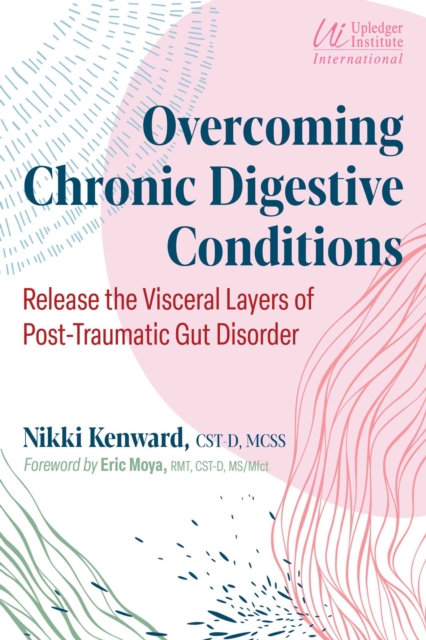
A holistic approach for healing trauma stored in the gut Explains how and why emotions and trauma are stored in the gut, causing digestive issues and visceral tensions Presents recent research that enriches our understanding of the gut as a center of emotional and spiritual growth Shares a hands-on process of listening to the gut layer by layer to help heal gut issues, renew the microbiome, and release intergenerational trauma A healthy gut is fundamental to a healthy life.
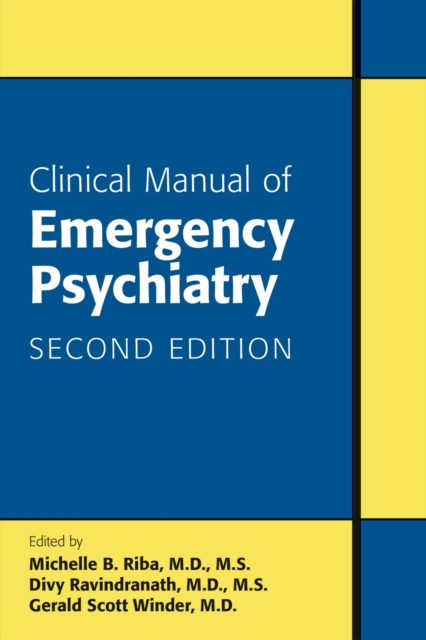
The second edition of Clinical Manual of Emergency Psychiatry is designed to help medical students, residents, and clinical faculty chart an appropriate course of treatment in a setting where an incorrect assessment can have life-or-death implications.
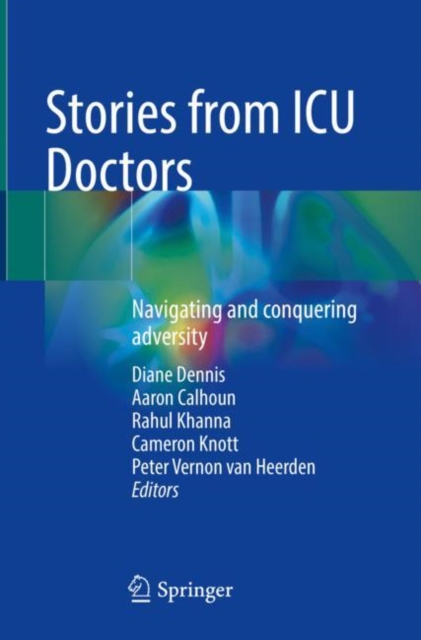
The intensive care unit (ICU) is a specialised hospital ward where the 'sickest-of-the-sick' patients, often with life-threatening illness, receive around-the-clock monitoring and life support.
This book provides a systemic approach to acute trauma care in line with the ABCDE paradigm and up-to-date information on assessing and managing major trauma from the pre-hospital to the rehabilitation phase.
The text is geared towards health care workers such as adult and pediatric physicians and nurses, paramedics and health care facility administrators and will cover disaster preparedness for health care facilities such as hospitals and long-term care homes.
Acute coronary syndrome (ACS) continues to challenge our health care system in the complexity of presentation and the ever increasing number of patients exhibiting signs and symptoms of an acute coronary syndrome.
Until recently, endocrinology and critical care medicine were two specialties in medicine that were rather uncomfortable with each other and hence quite i- lated.
Because critical care medicine is a cutting-edge medical field that is highly evidence-based, studies are continuously published altering the approach to patient-care.
In Pediatric Critical Review, Board certified pediatric critical care physicians uniquely capture the essence of the most common critical care scenarios in a series of carefully crafted questions and answers.
CLICK HERE to download the sample chapter "e;Basic Care"e; from Medicine for Mountaineering* The best-selling backcountry medical guide of its kind* This edition includes new chapters on avalanche injuries, drowning, eye disorders, medical evacuations, and lightning* Provides expert information on prevention, diagnosis, and treatment, plus medications, medical kits, and legal and ethical considerationsCompiled by highly recognized medical professionals in the emergency response and trauma field, the latest edition of Medicine for Mountaineering features fully revised and expanded information to help mountaineers weather storms, animal attacks, injuries, and more.
Neurocritical care as a subspecialty has grown rapidly over the last 20 years with the advent of newer monitoring and diagnostic techniques and therapeutic modalities in a variety of brain and spinal cord injury paradigms.
Leading medical experts from the military and other branches of government comprehensively review the possible infectious disease and chemical agents that can be used in terrorist attack and the proper diagnostic and therapeutic methods for dealing with them.
Intended for diabetes researchers and medical professionals who work closely with patients with diabetes, this newly updated and expanded edition provides new perspectives and direct insight into the causes and consequences of this serious medical condition from one of the foremost experts in the field.
This book provides a comprehensive analysis of the contemporary management of all aspects of traumatic brain injury (TBI), combining the findings of several recent randomised controlled trials investigating the role of hypothermia, erythropoietin, intracranial pressure monitoring and decompressive craniectomy in the management of TBI.
This book contains three chapters about peritonitis, which is an inflammation of the membrane lining the abdominal wall and covering the abdominal organs.
'A masterclass in understanding' ANNIE GRACE, author of This Naked MindTen questions to ask yourself, right now:* Do you have a sense that something is wrong, but you don't know what it is?
Healing tools and deep insights to help you heal from childhood trauma and begin to thrive again"e;What a great resource for understanding and managing PTSD.