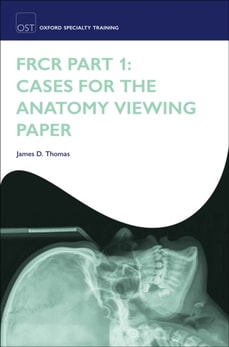
Exclusively focused on preparing candidates for the FRCR Part 1 anatomy viewing paper, this book enables them to practice questions that have the look and feel of the actual exam.
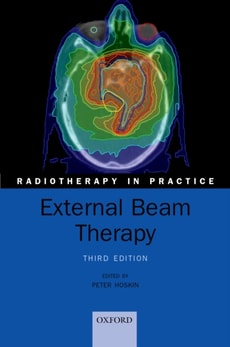
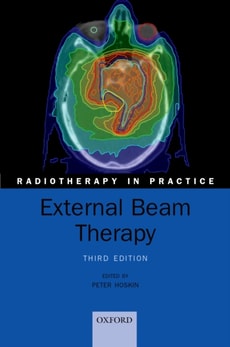
External beam therapy is the most common form of radiotherapy, delivering ionizing radiation such as high-energy x-rays, gamma rays, or electron beams directly into the location of the patient's tumour.
External beam therapy is the most common form of radiotherapy, delivering ionizing radiation such as high-energy x-rays, gamma rays, or electron beams directly into the location of the patient's tumour.
The study of the biology of tumours has grown to become markedly interdisciplinary, involving chemists, statisticians, epidemiologists, mathematicians, bioinformaticians, and computer scientists alongside biologists, geneticists, and clinicians.
The study of the biology of tumours has grown to become markedly interdisciplinary, involving chemists, statisticians, epidemiologists, mathematicians, bioinformaticians, and computer scientists alongside biologists, geneticists, and clinicians.
Concise, fact-based and packed with images and illustrations The EACVI Echo Handbook is the perfect companion for making both every day and complex clinical decisions.
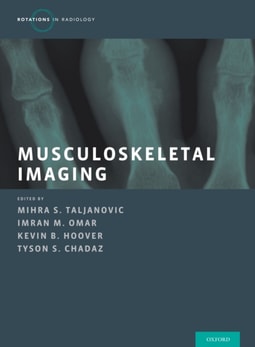
Musculoskeletal Imaging provides a comprehensive review of the subject matter commonly encountered by practicing radiologists and radiology residents in training.
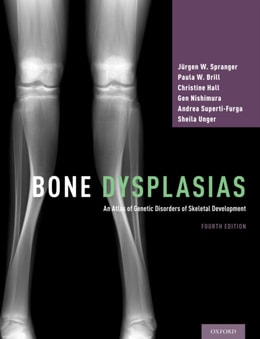
The definitive guide to genetic bone disorders, now revised and expanded with glossy photographs and radiographs"e;Brilliantly written and produced and deserves to be on the shelves of all pediatric radiologists.
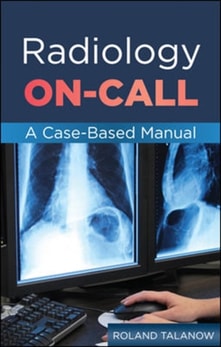
200 of the most common cases for radiology on-call/emergency situations-in one uncommon guideRadiology On-Call covers the full spectrum of clinical scenarios that you are likely to see in the emergency department or during an in-house call.
Over the past decade, radiological imaging tests - including CT scanning, MRI, PET, X-rays, ultrasound, fluoroscopy and other modalities - have become essential to the routine diagnostic process.
Over the past decade, radiological imaging tests - including CT scanning, MRI, PET, X-rays, ultrasound, fluoroscopy and other modalities - have become essential to the routine diagnostic process.
Multimodality Imaging Guidance for Interventional Pain Management is a comprehensive resource that covers fluoroscopy-guided procedures, ultrasound interventions, and computed tomography (CT)-guided procedures used in interventional pain management.
The definitive guide to genetic bone disorders, now revised and expanded with glossy photographs and radiographs"e;Brilliantly written and produced and deserves to be on the shelves of all pediatric radiologists.
Chest Imaging Cases thoroughly encompasses the field of thoracic radiology through 137 cases covering common and challenging radiologic and clinical issues.
Spinal cord stimulators (SCS) are implantable medical devices used to treat chronic pain of neurologic origin, such as sciatica, intractable back pain, and diabetic.
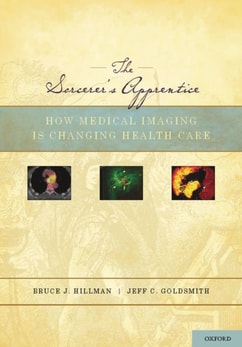
Many will remember the segment of "e;The Sorcerer's Apprentice"e; in the Disney film Fantasia; it is a perfect metaphor for medical imaging as it stands today.
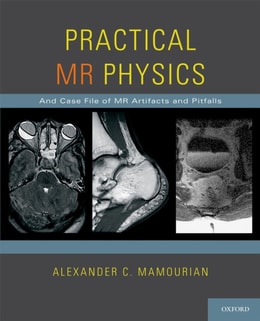
The underlying physics of magnetic resonance imaging is a topic of considerable importance since a basic understanding is necessary to accurately interpret and generate high quality MR images.
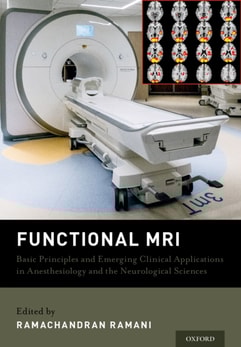
Functional MRI: Basic Principles and Emerging Clinical Applications provides an overview of the basic principles of fMRI for clinicians with minimal knowledge of the imaging technique and its research potential and clinical applications.
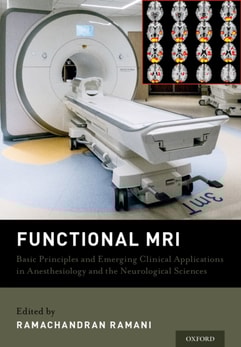
Functional MRI: Basic Principles and Emerging Clinical Applications provides an overview of the basic principles of fMRI for clinicians with minimal knowledge of the imaging technique and its research potential and clinical applications.
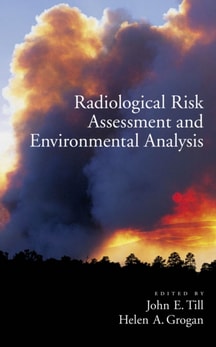
Radiological Risk Assessment and Environmental Analysis comprehensively explains methods used for estimating risk to people exposed to radioactive materials released to the environment by nuclear facilities or in an emergency such as a nuclear terrorist event.
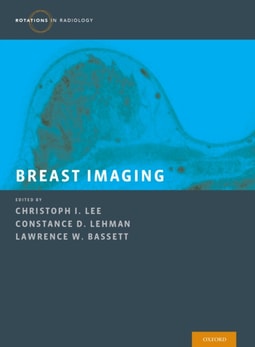
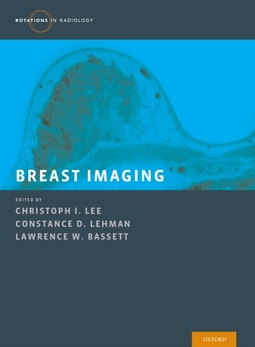
Breast Imaging presents a comprehensive review of the subject matter commonly encountered by practicing radiologists and radiology residents in training.
Breast Imaging presents a comprehensive review of the subject matter commonly encountered by practicing radiologists and radiology residents in training.
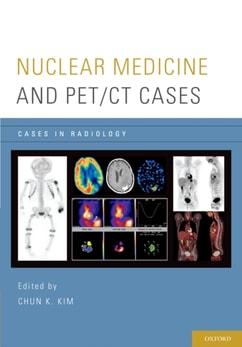
In 194 cases featuring over 550, high-quality images, Nuclear Medicine and PET/CT Cases provides a succinct review of clinically relevant cases covering the full range of nuclear medicine.
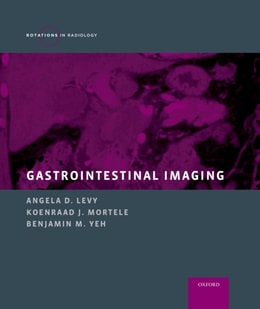
Gastrointestinal Imaging presents a comprehensive review of gastrointestinal pathologies commonly encountered by practicing radiologists and residents in training.
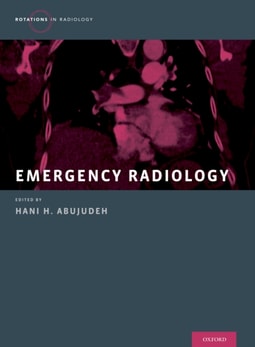
Emergency Radiology presents a comprehensive review of emergency pathologies commonly encountered by practicing radiologists and residents in training.
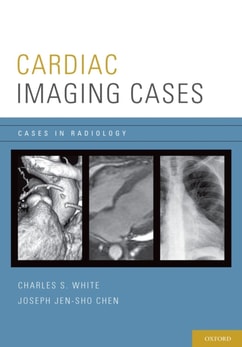
This easy-to-use, clinically oriented learning guide presents 115 unique cases that cover the scope of cardiac imaging, including congenital, ischemic, myocardial, valvular, and pericardial heart disease, as well as postintervention complications.
As physicians become more dependent upon radiologic tests for information, it is imperative that they have correct information on how and when to order them.
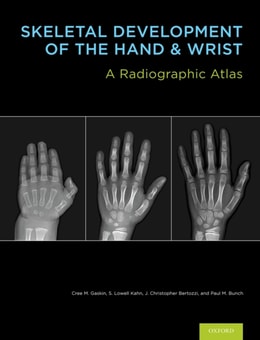
Bone age assessment, a crucial part of the diagnosis and management of pediatric growth disorders as well as the timing of certain pediatric orthopedic procedures, has for decades depended on the meticulous examination of plain radiographs.
The Mayo Clinic Guide to Magnetic Resonance Imaging, Second Edition, is a thoroughly handy reference text and soon to be classic text is designed to educate physicists, technologists, and clinicians in the basics of cardiac MRI.
The Mayo Clinic Guide to Magnetic Resonance Imaging, Second Edition, is a thoroughly handy reference text and soon to be classic text is designed to educate physicists, technologists, and clinicians in the basics of cardiac MRI.
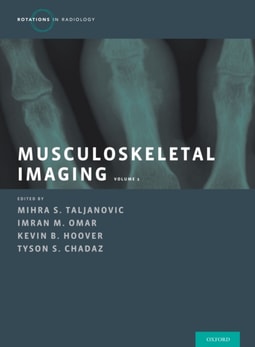
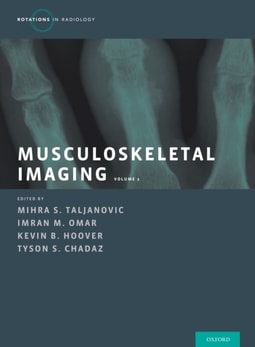
Musculoskeletal Imaging Volume 2 provides a comprehensive review of the subject matter commonly encountered by practicing radiologists and radiology residents in training.
Musculoskeletal Imaging Volume 2 provides a comprehensive review of the subject matter commonly encountered by practicing radiologists and radiology residents in training.
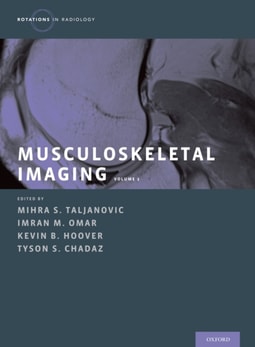
Musculoskeletal Imaging Volume 1 provides a comprehensive review of the subject matter commonly encountered by practicing radiologists and radiology residents in training.
Musculoskeletal Imaging Volume 1 provides a comprehensive review of the subject matter commonly encountered by practicing radiologists and radiology residents in training.
A practical clinically relevant introduction to diagnostic radiologyIntroduction to Basic Radiology is written to provide non-radiologists with the level of knowledge necessary to order correct radiological examinations, improve image interpretation, and enhance their interpretation of various radiological manifestations.