In this remarkably clear and readable evaluation of the research on this topic, Barry Wagner presents the current state of knowledge about suicidal behaviors in children and adolescents, addressing the trends of the past ten years and evaluating available treatment approaches.
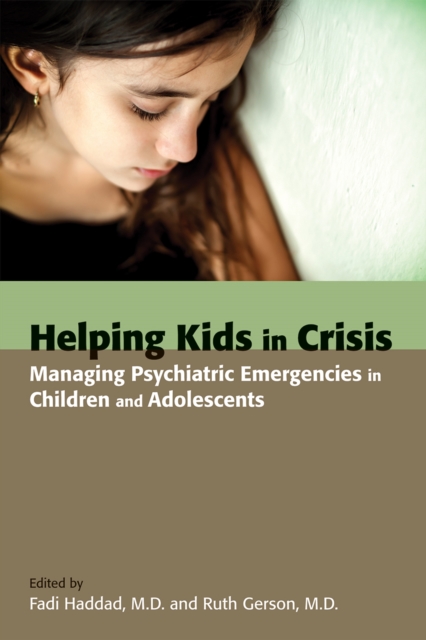
Helping Kids in Crisis: Managing Psychiatric Emergencies in Children and Adolescents provides expert guidance to practitioners responding to high-stakes situations, such as children considering or attempting suicide, cutting or injuring themselves purposely, and becoming aggressive or violently destructive.
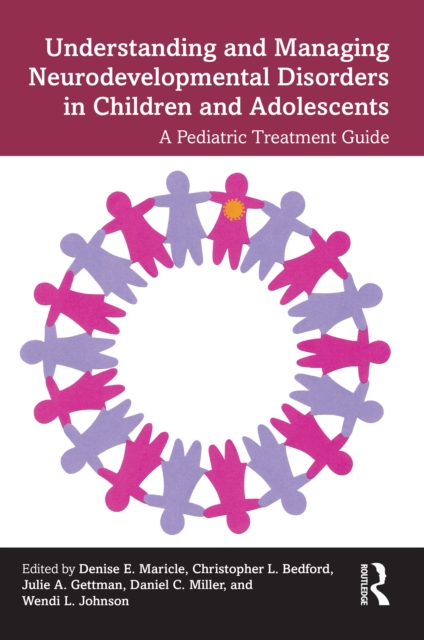
Children are being identified with more neurodevelopmental disorders than in previous decades and understanding these medically complex disorders has become critical as more children are living with these disorders.
Like many other medical and health-related professions, the speech-language pathology and audiology professions have been responding to the changes in the ways in which healthcare is delivered.
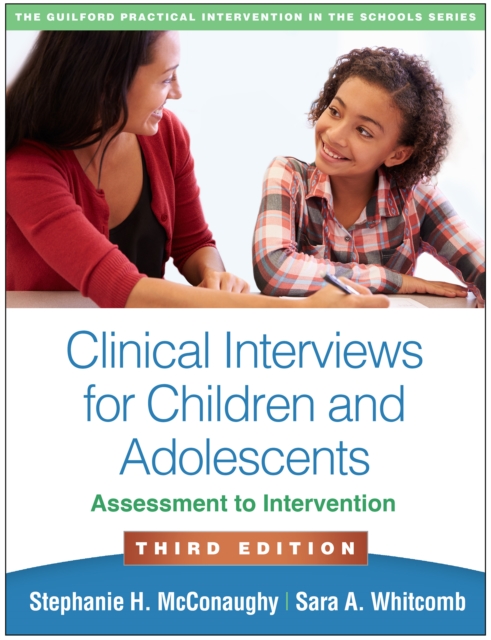
Widely recognized as an authoritative resource, this book has been revised and updated with the latest research and techniques, including new material on telehealth services.
Presenting a fresh approach to child and adolescent therapy, this book identifies five principles at the heart of the most potent evidence-based treatments--and shows how to apply them.
Increasingly diverse conditions now treated surgically combined with developments in technology have made the field of pediatric anesthesia more complex.
This study guide takes each chapter of Clinical Pediatric Urology: Fifth Edition-without doubt the most well-respected and authoritative book on the subject in the world-and, in the format of a Q & A style, poses the most common questions in that particular area, which those taking the ABU examinations are likely to be tested on.
Percutaneous Interventions for Congenital Heart Disease is written for pediatric cardiologists specializing in interventional cardiology and need a step-by-step guide to carrying out procedures, as well as adult cardiologists.
The Autisms, written by Mary Coleman and Christopher Gillberg, demonstrates that autism, like mental retardation, is a clinical presentation of numerous different diseases, many with genomic underpinnings.
Thoroughly updated and revised, this new edition of the classic clinical text provides a comprehensive review of physical measurements used in the clinical evaluation of neonates, children, and adults presenting with dysmorphic features, structural anomalies, or genetic syndromes.
Autism spectrum disorder (ASD) is a relatively new diagnostic label which reflects the variability and differentiation of symptomatology among children and youth commonly described as having autistic disorder, high-functioning autism (HFA), and Asperger's syndrome.
The advent of modern neurobiological methods over the last three decades has provided overwhelming evidence that it is the interaction of genetic factors and the experience of the individual that guides and supports brain development.
Pediatric Forensic Neuropsychology is the authoritative, definitive reference on the practice and process of civil forensic neuropsychological assessment of children and adolescents.
In Eye Movement Disorders in Clinical Practice, a leading expert with over thirty years of teaching experience in neurology and neuro-ophthalmology offers comprehensive instruction on the diagnosis and treatment of all varieties of eye movement disorders.
When a child is struggling with a learning disability or behavioral disorder, it can be overwhelming for their parents, who often do not know what to do or where to turn for help.
The Autisms, written by Mary Coleman and Christopher Gillberg, demonstrates that autism, like mental retardation, is a clinical presentation of numerous different diseases, many with genomic underpinnings.
Among evidence-based therapies for children and adolescents with oppositional, aggressive, and antisocial behavior, parent management training (PMT) is without peer; no other treatment for children has been as thoroughly investigated and as widely applied.
When a child is struggling with a learning disability or behavioral disorder, it can be overwhelming for their parents, who often do not know what to do or where to turn for help.
The Edge of Medicine tells the stories of dying children and their families, capturing the full range of uncertainties, hopes and disappointments, and ups and downs of children near the end of life.
Since the early 20th century, parenting books, pediatricians, and other health care providers have dispensed recommendations regarding children's sleep that frequently involved behavioral and educational approaches.
Sleep problems of American children have become a matter of national concern, with recent estimates indicating that 13% to 27% of children have sleep problems as reported by their parents.
Majoradvances in the diagnosis and treatment of oral clefts have been made in the past 50 years, and recent genetics and epidemiological studies have led to new theories about the causes of cleft lip and palate.
Millions of children suffer from diseases and illnesses that do not have adequate treatment, and many other children are harmed by medicines intended to help them.