Section 141 of The Healthy, Hunger-Free Kids Act of 20101 provides funding for a research program on the causes and consequences of childhood hunger and food insecurity, and the characteristics of households with childhood hunger and food insecurity, with a particular focus on efforts to improve the knowledge base regarding contributing factors, geographic distribution, programmatic effectiveness, public health and medical costs, and consequences for child development, well-being, and educational attainment.
The Children's Health Act mandated the National Children's Study (NCS) in 2000 with one of its purposes being to authorize the National Institute of Child Health and Human Development (NICHD) to study the environmental influences (including physical, chemical, biological, and psychosocial) on children's health and development.
The Child and Adult Care Food Program (CACFP) is a federally-funded program designed to provide healthy meals and snacks to children and adults while receiving day care at participating family day care homes, traditional child care centers, afterschool facilities, adult care facilities, and emergency shelters.
For the past three decades, the Department of Health and Human Services (HHS) has issued a national agenda aimed at improving the health of all Americans over each 10-year span.
Demographic changes, immigration, economic upheavals, and changing societal mores are creating new and altered structures, processes, and relationships in American families today.
At a time when lesbian, gay, bisexual, and transgender individualsoften referred to under the umbrella acronym LGBTare becoming more visible in society and more socially acknowledged, clinicians and researchers are faced with incomplete information about their health status.
For the past three decades, the Department of Health and Human Services (HHS) has issued a national agenda aimed at improving the health of all Americans over each 10-year span.
Demographic changes, immigration, economic upheavals, and changing societal mores are creating new and altered structures, processes, and relationships in American families today.
Mother-to-child transmission of HIV-1 afflicts hundreds of thousands of children every year, especially in parts of the world such as sub-Saharan Africa, where HIV infection is prevalent and resources are limited.
The nation faces a growing epidemic of childhood obesity that threatens the immediate health of our children and their prospects of growing up healthy into adulthood.
Some educational professionals have suggested that so-called green schools would result in superior performance and increased health for students and teachers.
**Selected for Doody's Core Titles(R) 2024 with "e;Essential Purchase"e; designation in Maternal/Child**Written and edited by leading physicians, Breastfeeding: A Guide for the Medical Profession, 9th Edition, offers comprehensive, dependable information and guidance in this multifaceted field.
Those who make and implement policies for children and families are seriously hampered by several features of the federal statistical system: categorical fragmentation, sampling strategies that follow adults and families rather than children, and lack of longitudinal data on children.
One of the key recommendations of the joint IOM and NRC book, From Cancer Patient to Cancer Survivor: Lost in Transition, is that patients completing their primary treatment for cancer be given a summary of their treatment and a comprehensive plan for follow-up.
Reports of mistreated children, domestic violence, and abuse of elderly persons continue to strain the capacity of police, courts, social services agencies, and medical centers.
As a result of the heightened public and political attention and the movement toward standards and accountability, performance measurement has emerged as an important concern in the early childhood care and education field.
In 1997 the committee published Reproductive Health in Developing Countries: Expanding Dimensions, Building Solutions, a report that recommended actions to improve reproductive health for women around the world.
On June 24-25, 1999, the Committee on Integrating the Science of Early Childhood Development of the Board on Children, Youth, and Families of the National Research Council/National Academy of Sciences and the Institute of Medicine convened a workshop for researchers and practitioners to examine the underlying knowledge base that informs current best practices in early childhood services, from the prenatal period to school entry.
The Child and Adult Care Food Program (CACFP) is a federally-funded program designed to provide healthy meals and snacks to children and adults while receiving day care at participating family day care homes, traditional child care centers, afterschool facilities, adult care facilities, and emergency shelters.
In 1996 the Institute of Medicine launched the Quality Chasm Series, aseries of reports focused on assessing and improving the nation's quality ofhealth care.
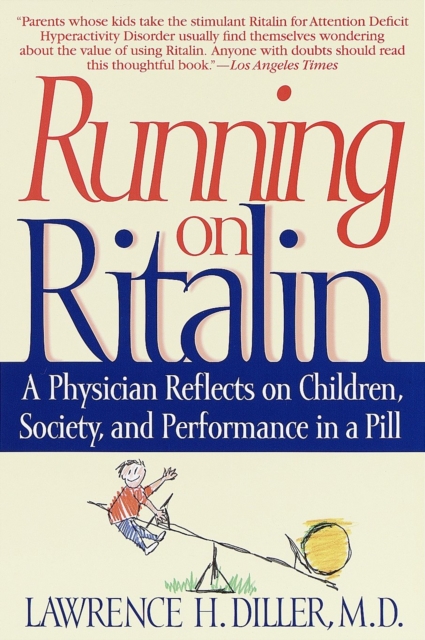
In a book as provocative and newsworthy as Listening to Prozac and Driven to Distraction, a physician speaks out on America''s epidemic level of diagnoses for attention deficit disorder, and on the drug that has become almost a symbol of our times: Ritalin.
As the pastPresident ofthe Israel Society forAutism, it gives me great pleasure to c- gratulate Professor Schopler and his colleagues on the publication of their new book concerning the relationship between scientific research and treatment.
This volume is designed to provide an overview of Asperger's Syndrome/High Functioning Autism for professionals, parents, and others concerned about these conditions.
Sexual Orientation in Child and Adolescent Health Care serves as a resource for child health care professionals including pediatricians, family physicians, nurses, pediatric psychologists, child and adolescent psychiatrists, and social workers.
Fundamentals of Clinical Practice, Second Edition presents medical students with a comprehensive guide to the social ramifications of a physician's work, and more experienced practitioners with the tools to augment their own patient-centered techniques.
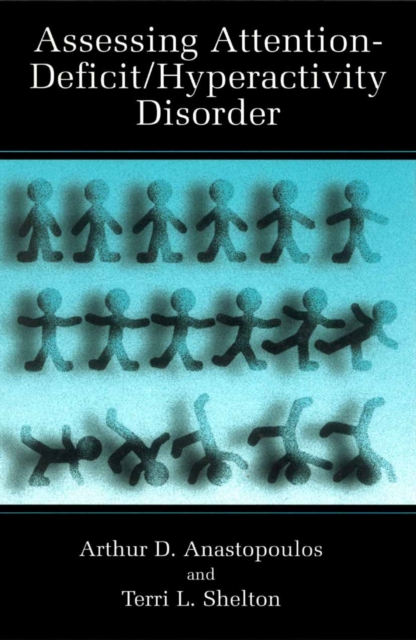
Over the past two decades, the assessment of Attention-Deficit/Hyperactivity Disorder (AD/HD) has evolved into a sophisticated balance of science and clinical judgement essential for arriving at reliable and valid diagnostic de- sions.