Movement Disorders in Childhood, Second Edition, provides the most up-to-date information on the diseases and disorders that affect motor control, an important area of specialization within child neurology.
This book on evidence-based practice with children and adolescents focuses on best evidence regarding assessment, diagnosis, and treatment of children and adolescents with a range of emotional problems including ADHD; Bi-Polar Disorder; anxiety and depression; eating disorders; Autism; Asperger's Syndrome; substance abuse; loneliness and social isolation; school related problems including underachievement; sexual acting out; Oppositional Defiant and Conduct Disorders; Childhood Schizophrenia; gender issues; prolonged grief; school violence; cyber bullying; gang involvement, and a number of other problems experienced by children and adolescents.
From a renowned expert in the field, a parent's guide to managing their child's chronic pain-to give back normal life to the 1 in 5 children for whom pain is a serious problem.
The renowned one-stop guide to the entire field of clinical endocrinology and its scientific underpinnings - now in full color270+ full-color photographs and illustrations!
The novel viral pandemic coronavirus disease 2019 (COVID-19) has sparked uncertainties and controversies as to its origin, epidemiology, and natural course.
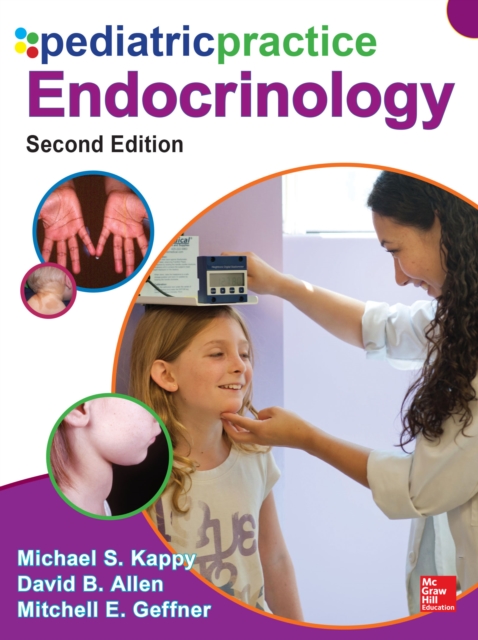
The go-to guide for managing endocrine problems in children - completely updated for today's practicePart of the Pediatric Practice series, Pediatric Practice: Endocrinology is an outstanding clinical analysis and decision-making tool for those treating endocrine problems in children.
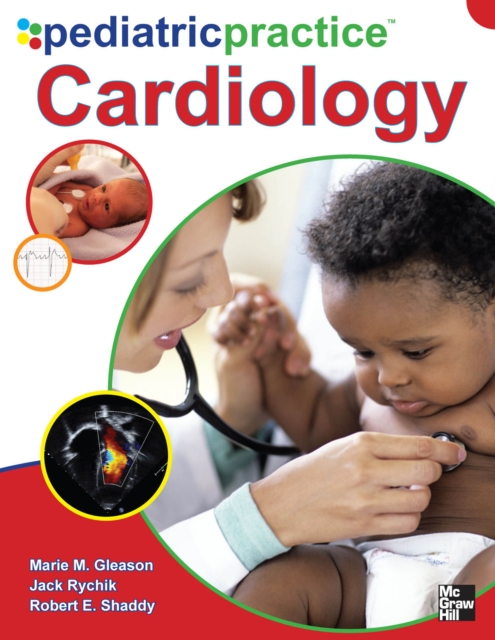
Hands-on guidance for managing pediatric patients with congenital and acquired heart diseaseFULL-COLOR ILLUSTRATIONSPart of the Pediatric Practice series, Pediatric Practice: Cardiology is filled with practical, clinically relevant guidance for the diagnosis and treatment of cardiac conditions in children.
The child is neither an adult miniature nor an immature human being: at each age, it expresses specific abilities that optimize adaptation to its environment and development of new acquisitions.
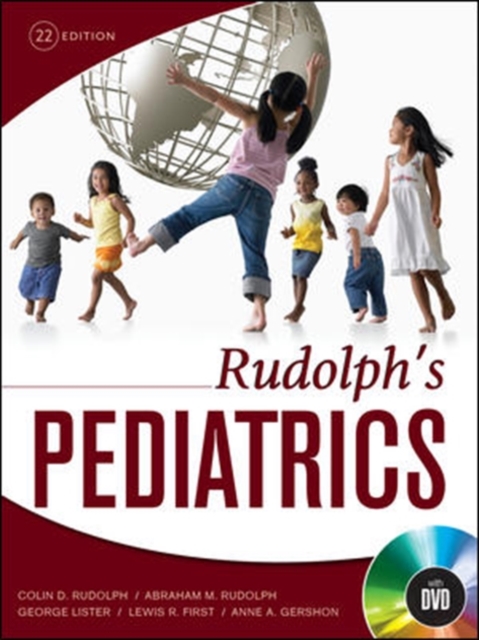
The landmark pediatrics reference -- now extensively updated in full color and more clinically relevant than everA Doody's Core Title ESSENTIAL PURCHASE for 2011!
The best-selling authors of The Baby Book (Dr William and Martha Sears) have created a supportive and practical guide to coping with difficult and fussy children.
Young people develop health literacy skills in a variety of environments, facing critical thinking challenges about their health from school, home and family life, peers and social life, and online.
One of the key recommendations of the joint IOM and NRC book, From Cancer Patient to Cancer Survivor: Lost in Transition, is that patients completing their primary treatment for cancer be given a summary of their treatment and a comprehensive plan for follow-up.
In 1996 the Institute of Medicine launched the Quality Chasm Series, aseries of reports focused on assessing and improving the nation's quality ofhealth care.
The nation faces a growing epidemic of childhood obesity that threatens the immediate health of our children and their prospects of growing up healthy into adulthood.
Some educational professionals have suggested that so-called green schools would result in superior performance and increased health for students and teachers.
Written for a broad audience, including program administrators, policymakers, teachers, students, and health care professionals and their patientsanyone with an interest in preventing low birthweightthis summary is a condensation of the full report, Preventing Low Birthweight.
Mother-to-child transmission of HIV-1 afflicts hundreds of thousands of children every year, especially in parts of the world such as sub-Saharan Africa, where HIV infection is prevalent and resources are limited.
Reports of mistreated children, domestic violence, and abuse of elderly persons continue to strain the capacity of police, courts, social services agencies, and medical centers.
Those who make and implement policies for children and families are seriously hampered by several features of the federal statistical system: categorical fragmentation, sampling strategies that follow adults and families rather than children, and lack of longitudinal data on children.
In 1997 the committee published Reproductive Health in Developing Countries: Expanding Dimensions, Building Solutions, a report that recommended actions to improve reproductive health for women around the world.
On June 24-25, 1999, the Committee on Integrating the Science of Early Childhood Development of the Board on Children, Youth, and Families of the National Research Council/National Academy of Sciences and the Institute of Medicine convened a workshop for researchers and practitioners to examine the underlying knowledge base that informs current best practices in early childhood services, from the prenatal period to school entry.
As a result of the heightened public and political attention and the movement toward standards and accountability, performance measurement has emerged as an important concern in the early childhood care and education field.
Adolescencebeginning with the onset of puberty and ending in the mid-20sis a critical period of development during which key areas of the brain mature and develop.
To explore issues related to the effects of disasters on children and youth and lessons learned from experiences during previous disasters, the virtual workshop From Hurricane Katrina to Paradise Wildfires, Exploring Themes in Disaster Human Services was convened on July 22 and 23, 2020, by the National Academies of Sciences, Engineering, and Medicine.
**Selected for Doody's Core Titles(R) 2024 in Allergy/Clinical Immunology**With complete, concise coverage of prevention, indications, diagnosis, and treatment, Pediatric Allergy, 4th Edition, is your go-to resource for current, clinically-focused content in the rapidly changing field of allergies and immune-mediated diseases in children.
Recommended intake levels for nutrients and other dietary components were designed initially to prevent nutrient deficiency diseases in a given population, and the original methodological approach used to derive intake values did not include consideration for other applications.
To examine the science, policy, and practice surrounding supporting family and community investments in young children globally and children in acute disruptions, the National Academies of Sciences, Engineering, and Medicine held a workshop in partnership with the Ethiopian Academy of Sciences in Addis Ababa, Ethiopia, from July 27-29, 2015.