A well-illustrated, systems-based primer on learning radiologic imagingBasic Radiology is the easiest and most effective way for medical students, residents, and clinicians not specializing in radiologic imaging to learn the essentials of diagnostic test selection, application, and interpretation.
A quick reference guide to the selection and interpretation of more than 450 commonly used diagnostic testsCOVERS: Basic principles of diagnostic testing, common blood, urine and cerebrospinal fluid laboratory tests, therapeutic drug monitoring, microbiologic test selection and interpretation and diagnostic imaging tests by body system , electrocardiography, and differential diagnosis tables & algorithmsTests used in internal medicine, pediatrics, surgery, neurology and obstetrics and gynecologyINCLUDES: Costs and risks of diagnostic testsEvidence-based informationDiseases associated with abnormal test results, including test sensitivitiesFull literature citations with PubMed (PMID) numbers included for each referenceMore than 24 NEW clinical laboratory test entries, 6 NEW differential diagnosis tables5 NEW diagnostic algorithms NEW sections on point-of-care testing, provider-performed microscopy, pharmacogenetic testing, and diagnostic echocardiography
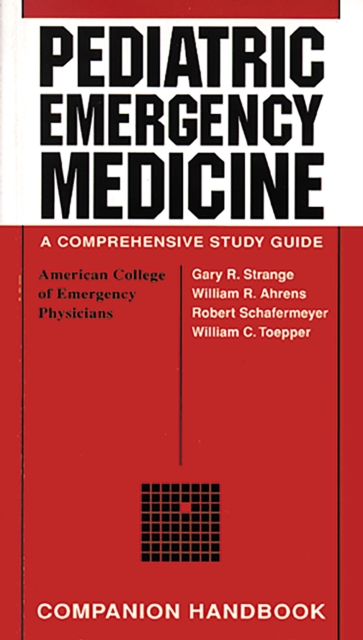
The quick reference you need to prepare for any pediatric emergency medicine examination or stay abreast of the latest developments in the fieldCovering the full scope of pediatric emergency medicine, this concise, yet comprehensive, review is the perfect tool to prepare for in-training, board certification, or recertification examinations, or for use as a clinical refresher.
Improve medical and developmental outcomes in high-risk infants with evidence-based management strategiesBeyond the NICU is the first book to deliver practical, evidence-based strategies for healthcare providers caring for the NICU graduate during convalescence and after discharge.
The most user-friendly, clinically relevant overview of the practice of anesthesiologyCurrent, concise, and engagingly written, Morgan & Mikhail s Clinical Anesthesiology, Fifth Edition is a true essential for all anesthesia students and practitioners.
More than 1,000 board-style questions build confidence, knowledge, and test-taking skills for the USMLE Step 2 CK and the pediatrics shelf examThere's no better way to prepare for the USMLE Step 2 CK and the pediatrics clerkship exam than LANGE: Q&A: Pediatrics.
Diagnostic and Treatment Algorithms in every chapter Boxed element for when to refer Diagnostic Tests-What to order is discussed, not what to consider ordering Medical Treatment includes drugs and dosages in tabular format Icons to lead the reader to the content they need quickly Clinical COLOR photos and clear, didactic diagrams on every page Consistent headings among chapters covering similar topics
Diagnostic and Treatment Algorithms in every chapter Box of Signs/Symptoms and Differential Diagnosis Boxed element for when to refer Medical Treatment includes drugs and dosages in tabular formatIcons to lead the reader to the content they need quickly Clinical COLOR photos and clear, didactic diagrams on every page
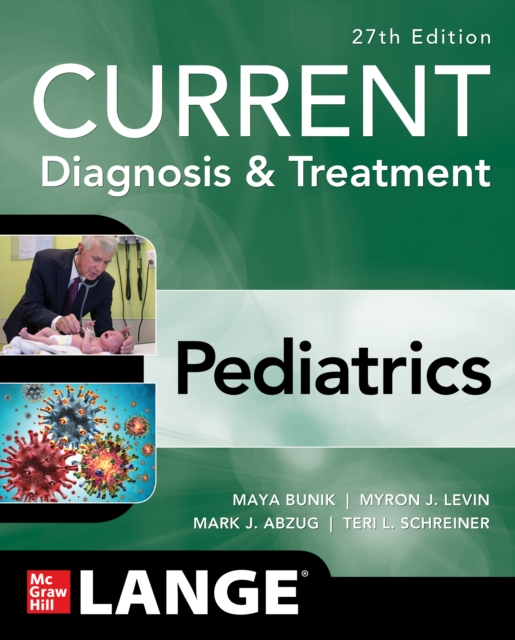
Practical, up-to-date, and ready-to-apply coverage of more than 1,000 diseases and disordersFor more than 70 years, professors, students, and clinicians have trusted LANGE for high-quality, current, concise medical information in a convenient, affordable, portable format.
Get the BIG PICTURE of Medical Biochemistry - and target what you really need to know to ace the course exams and the USMLE Step 1300 FULL-COLOR ILLUSTRATIONSMedical Biochemistry: The Big Picture is a unique biochemistry review that focuses on the medically applicable concepts and techniques that form the underpinnings of the diagnosis, prognosis, and treatment of medical conditions.
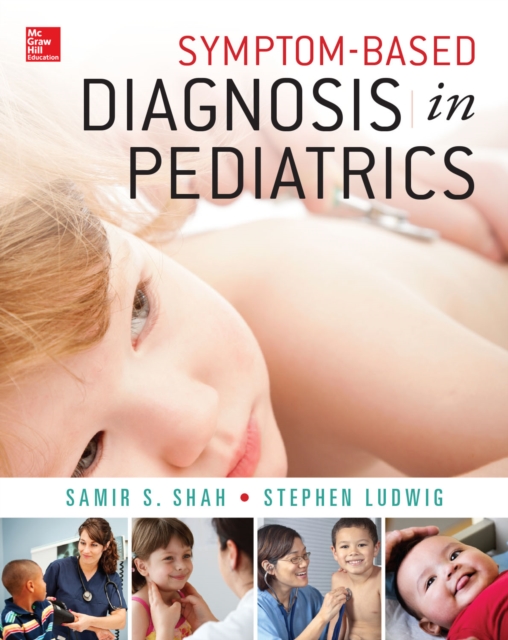
A CASE-BASED GUIDE TO PEDIATRIC DIAGNOSIS, CONVENIENTLY ORGANIZED BY PRESENTING SYMPTOMSSymptom-Based Diagnosis in Pediatrics features 19 chapters, each devoted to a common pediatric complaint.
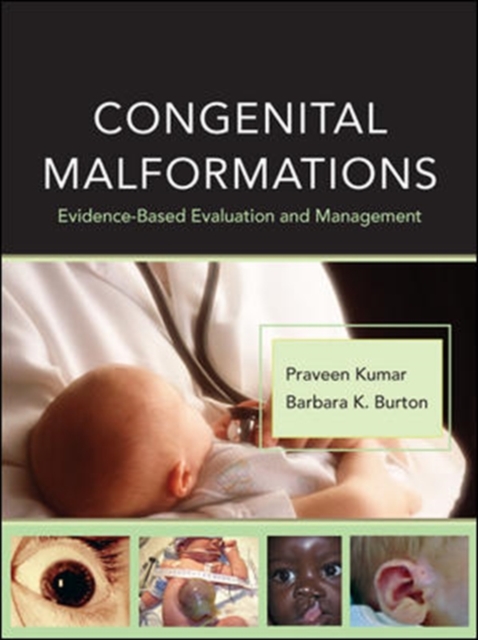
A concise, clinically-focused guide to the evaluation and management of infants with congenital malformationsCongenital Malformations is a comprehensive, practical text that highlights key perspectives on the medical management of infants with malformations.
An essential guide to interpreting signs and symptoms in infants, children, and adolescents[Copy:]This well-illustrated, full-color handbook offers a logical, systematic approach to differential diagnosis is children, and is ideal for developing the skills and confidence necessary for diagnosing pediatric patients.
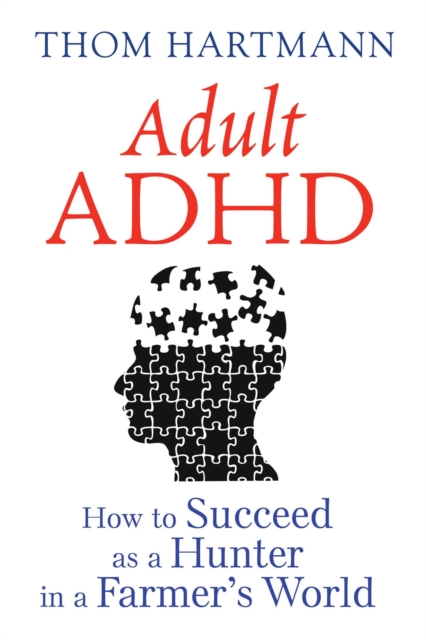
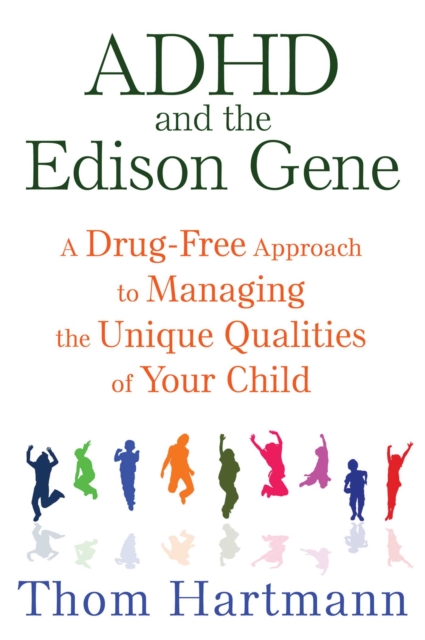
How to harness your ADHD hunter strengths to start your own business and prosper in the workplace Provides organizational strategies, tips to maintain focus, and tools to set goals, build a business plan, and discover the right project to keep you motivated Shares ADHD success stories from Fortune 500 CEOs, inventors, small business owners, and the authors own experience in launching new businesses Explains the positive side of ADHD behavior in the context of creating a business, working within an existing company, and raising children with ADHDMost people do not grow out of Attention Deficit Disorder (ADD) or Attention Deficit Hyperactivity Disorder (ADHD).
Explores how the ADHD gene is and has been critical to humanitys development Shows how artists, inventors, and innovators carry the gene necessary for the future survival of humanity Explains why children with this gene are so often mislabeled in public schools as having a disorder Offers concrete strategies for helping children reach their full potential In ADHD and the Edison Gene, Thom Hartmann shows that the creativity, impulsiveness, risk taking, distractibility, and novelty seeking that are characteristic of Attention Deficit Hyperactivity Disorder (ADHD) are not signs of a disorder at all but instead are components of a highly adaptive skill set utilized by our hunting and gathering ancestors.
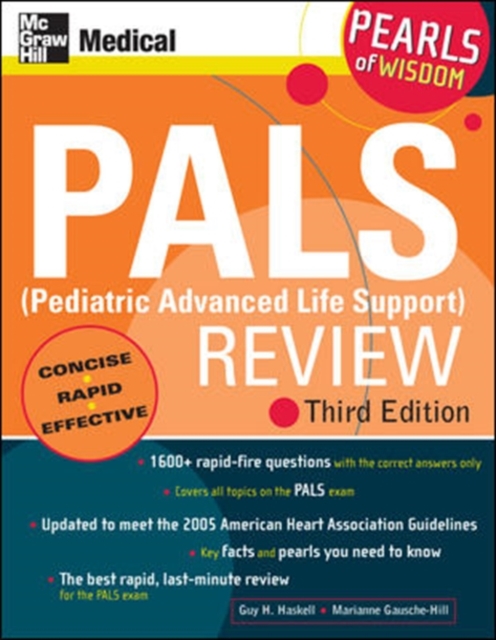
Updated to meet the 2005 American Heart Association GuidelinesMarket: Emergency Medicine Technicians, Paramedics, Nurses, PhysiciansQuick-hit question & answer style reinforces facts for easy memorization -- only correct answers are given so wrong answers will never accidently be remembered
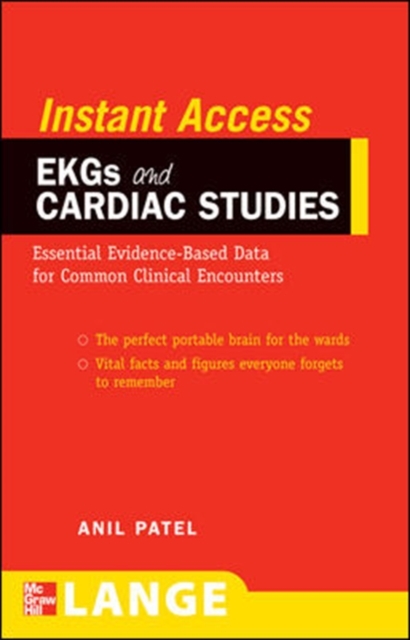
Market: 3rd year medical students; IM and FP residents; nurse practitioners; physician assistants EKGs are among the most common tests in medical practice today, and demand for up-to-date books on the subject is unprecedented
One of the time-honored foundations of the practice of pediatric medicine is the understanding and application of the principles of fluid, electrolyte and acid-base disorders.
Covers the essentials of clinical signs, pathophysiology, diagnosis, and treatment of all pediatric emergencies commonly seen in the Emergency Department or the primary care setting.
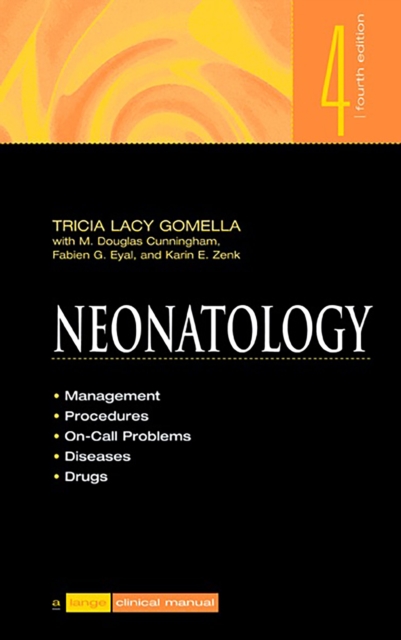
Extensively revised and updated, this practical manual on the basic and advanced management of the neonate covers procedures, diseases, disorders and drugs.
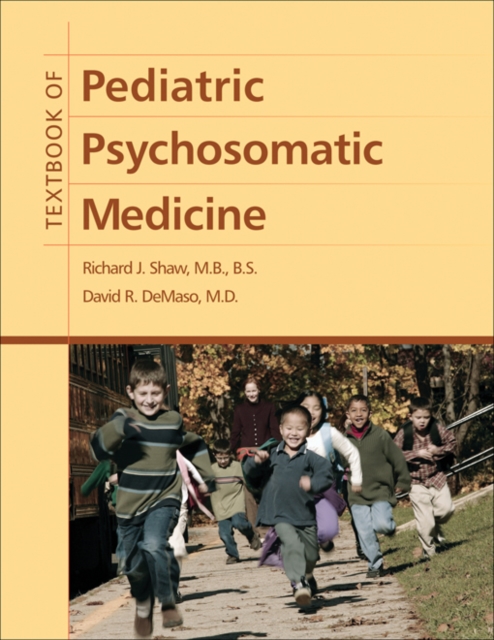
The Textbook of Pediatric Psychosomatic Medicine provides a comprehensive, empirically based knowledge of assessment and treatment issues in children and adolescents with physical illness.
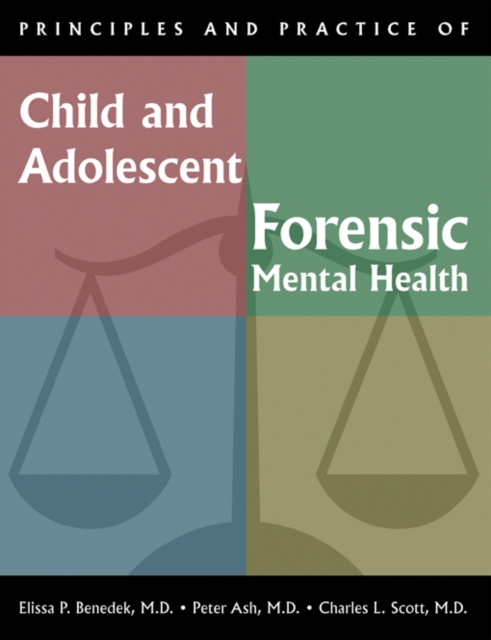
When care of younger patients raises thorny legal questions, you need answers you can trust: that's why this book belongs on every clinician's reference shelf.
Child psychiatrists and psychologists, clinical nurses, social workers, and other mental health practitioners working in the public sector -- where limited funds, poverty, social environments, and bureaucracy add to the daily challenges -- can now turn to Community Child and Adolescent Psychiatry for approaches and insights to make their work easier and more productive.
The most up-to-date, time-saving guide available for effectively diagnosing and treating child patients-from birth to adolescenceA Doody's Core Title for 2026!
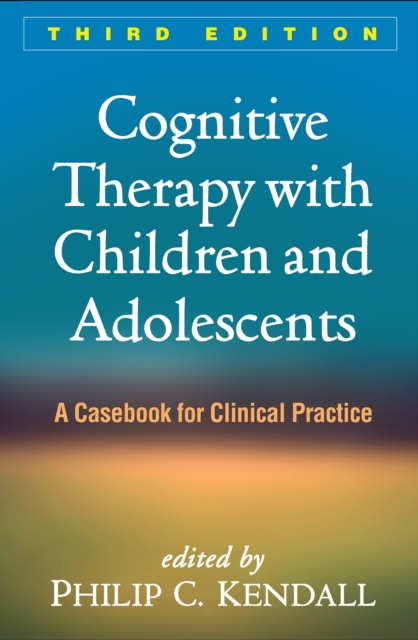
Thousands of clinicians and students have turned to this casebook--now completely revised with 90% new material--to see what cognitive-behavioral therapy (CBT) looks like in action with the most frequently encountered child and adolescent disorders.
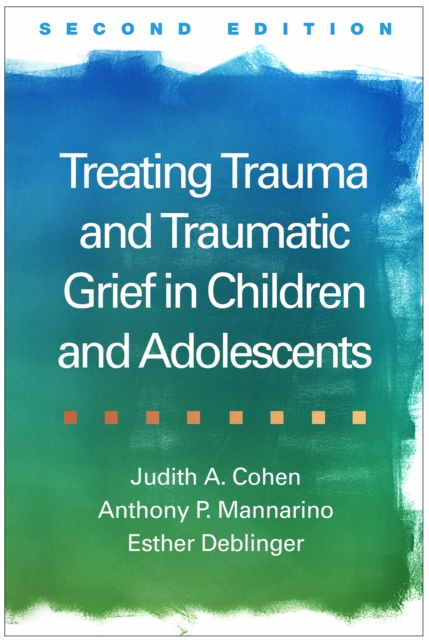
This authoritative guide has introduced many tens of thousands of clinicians to Trauma-Focused Cognitive-Behavioral Therapy (TF-CBT), a leading evidence-based treatment for traumatized children and their parents or caregivers.
This authoritative guide has introduced many tens of thousands of clinicians to Trauma-Focused Cognitive-Behavioral Therapy (TF-CBT), a leading evidence-based treatment for traumatized children and their parents or caregivers.
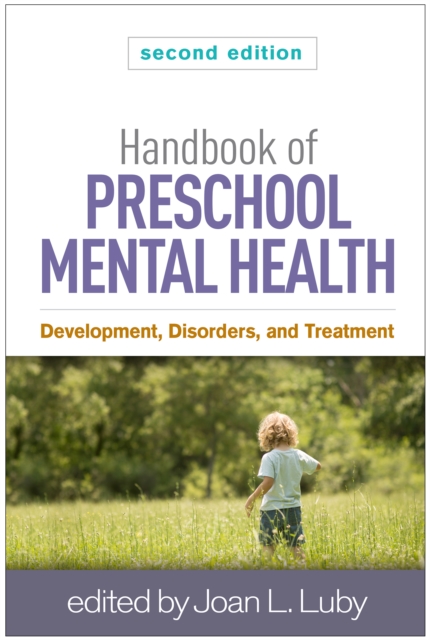
Comprehensively exploring the development of psychiatric disorders in 2- to 6-year-olds, this authoritative handbook has been thoroughly revised to incorporate important scientific and clinical advances.
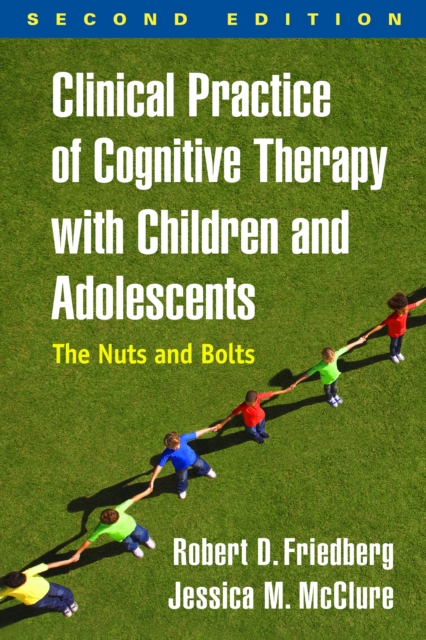
Widely regarded as the definitive practitioner reference and teaching text, this book provides a complete introduction to doing cognitive-behavioral therapy (CBT) with 6- to 18-year-olds.
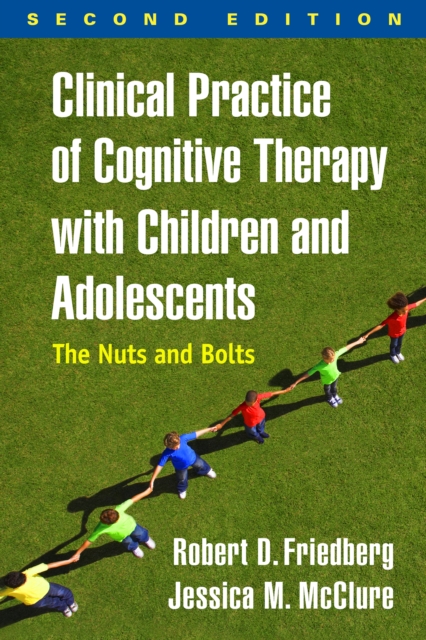
Widely regarded as the definitive practitioner reference and teaching text, this book provides a complete introduction to doing cognitive-behavioral therapy (CBT) with 6- to 18-year-olds.
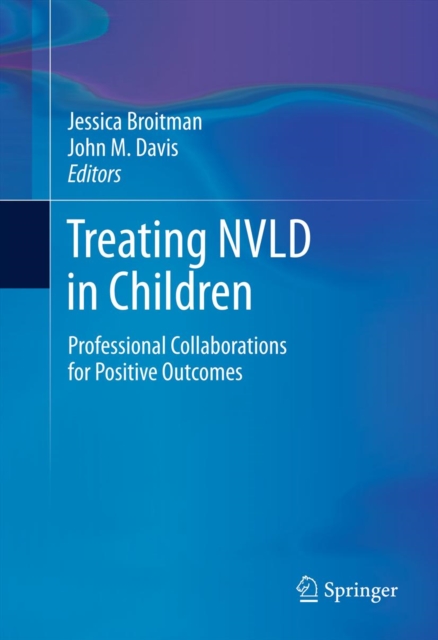
Children with nonverbal learning disabilities (NVLD) have needs that can take many forms and may, over time, require consultation and collaboration with professionals from several fields.