Thoroughly updated and revised, this new edition of the classic clinical text provides a comprehensive review of physical measurements used in the clinical evaluation of neonates, children, and adults presenting with dysmorphic features, structural anomalies, or genetic syndromes.
Autism spectrum disorder (ASD) is a relatively new diagnostic label which reflects the variability and differentiation of symptomatology among children and youth commonly described as having autistic disorder, high-functioning autism (HFA), and Asperger's syndrome.
The advent of modern neurobiological methods over the last three decades has provided overwhelming evidence that it is the interaction of genetic factors and the experience of the individual that guides and supports brain development.
Pediatric Forensic Neuropsychology is the authoritative, definitive reference on the practice and process of civil forensic neuropsychological assessment of children and adolescents.
In Eye Movement Disorders in Clinical Practice, a leading expert with over thirty years of teaching experience in neurology and neuro-ophthalmology offers comprehensive instruction on the diagnosis and treatment of all varieties of eye movement disorders.
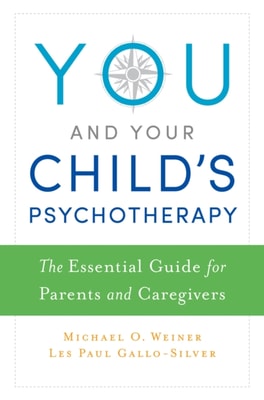
When a child is struggling with a learning disability or behavioral disorder, it can be overwhelming for their parents, who often do not know what to do or where to turn for help.
The Autisms, written by Mary Coleman and Christopher Gillberg, demonstrates that autism, like mental retardation, is a clinical presentation of numerous different diseases, many with genomic underpinnings.
Among evidence-based therapies for children and adolescents with oppositional, aggressive, and antisocial behavior, parent management training (PMT) is without peer; no other treatment for children has been as thoroughly investigated and as widely applied.
When a child is struggling with a learning disability or behavioral disorder, it can be overwhelming for their parents, who often do not know what to do or where to turn for help.
The Edge of Medicine tells the stories of dying children and their families, capturing the full range of uncertainties, hopes and disappointments, and ups and downs of children near the end of life.
Since the early 20th century, parenting books, pediatricians, and other health care providers have dispensed recommendations regarding children's sleep that frequently involved behavioral and educational approaches.
Sleep problems of American children have become a matter of national concern, with recent estimates indicating that 13% to 27% of children have sleep problems as reported by their parents.
Majoradvances in the diagnosis and treatment of oral clefts have been made in the past 50 years, and recent genetics and epidemiological studies have led to new theories about the causes of cleft lip and palate.
Millions of children suffer from diseases and illnesses that do not have adequate treatment, and many other children are harmed by medicines intended to help them.
Selective Mutism (SM) is an impairing behavioral condition in which a child fails to speak in certain social situations despite speaking regularly and normally in other situations.
Arthritis is usually considered a disease of older adults, but nearly 300,000 children in the United States suffer from some form of arthritis or rheumatic disease, such as juvenile arthritis (JRA), fibromyalgia, chronic fatigue, systemic lupus erythematosus, scleroderma, or Kawasaki disease.
Arguing that death is the central force shaping our social life and order, Michael Kearl draws on anthropology, religion, politics, philosophy, the natural sciences, economics, and psychology to provide a broad sociological perspective on the interrelationships of life and death, showing how death contributes to social change and how the meanings of death are generated to serve social functions.
This extensively illustrated reference work is designed for health professionals who care for newborn infants including neonatologists, pediatricians, NICU nurses, pediatric neurologists, pediatric surgeons, geneticists, and genetic counselors.
In the United States alone, roughly 300,000 children suffer from some form of arthritis or rheumatic disease, and millions more are at risk of developing one of these diseases.
This volume brings together work from leading researchers in the fields of developmental disorders of binocular vision, strabismus, and both infantile and acquired forms of nystagmus.
Pediatric Intensive Care offers clinicians and trainees a concise, easy-to-carry resource on pediatric critical care medicine, designed for frequent and quick reference at the bedside, providing solutions to questions and situations encountered in practice.