When Professionals Weep speaks to the humbling and often transformational moments that clinicians experience in their careers as caregivers and healers-moments when it is often hard to separate the influence of our own emotional responses and worldviews from the patient's or family's.
Dementia: The Basics provides the reader with a clear and compassionate introduction to dementia and an accessible guide to dealing with different parts of the dementia journey, from pre-diagnosis and diagnosis to post-diagnostic support, increasing care needs and end of life care.
Dementia: The Basics provides the reader with a clear and compassionate introduction to dementia and an accessible guide to dealing with different parts of the dementia journey, from pre-diagnosis and diagnosis to post-diagnostic support, increasing care needs and end of life care.
Techniques of Grief Therapy: Assessment and Intervention continues where the acclaimed Techniques of Grief Therapy: Creative Practices for Counseling the Bereaved left off, offering a whole new set of innovative approaches to grief therapy to address the needs of the bereaved.
Techniques of Grief Therapy: Assessment and Intervention continues where the acclaimed Techniques of Grief Therapy: Creative Practices for Counseling the Bereaved left off, offering a whole new set of innovative approaches to grief therapy to address the needs of the bereaved.
Music at the Edge invites the reader to experience a complete music therapy journey through the words and music of the client, and the therapist's reflections.
Music at the Edge invites the reader to experience a complete music therapy journey through the words and music of the client, and the therapist's reflections.
This book presents the methodology, findings and implications of a large-scale corpus-based study of the metaphors used to talk about cancer and the end of life (including care at the end of life) in the UK.
The third edition of Hospice and Palliative Care is the essential guide to the hospice and palliative care movement both within the United States and around the world.
The third edition of Hospice and Palliative Care is the essential guide to the hospice and palliative care movement both within the United States and around the world.
Series Editors: Moira Stewart, Judith Belle Brown and Thomas R Freeman As the population in western cultures ages, more people suffer chronic, ultimately life-limiting diseases and medical professionals need to be equipped to cope with the ever growing pressure of palliative care.
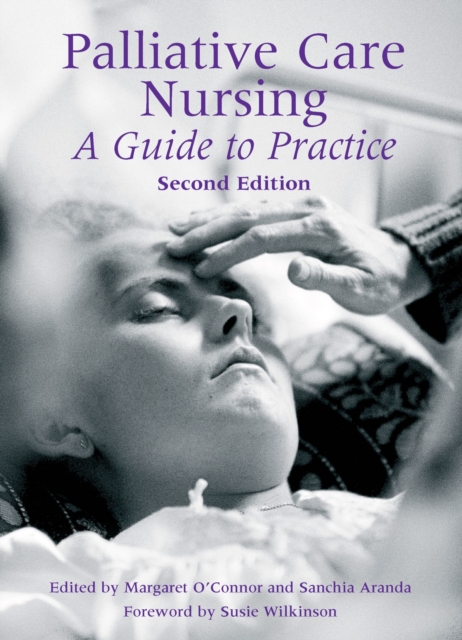
Written by experienced authorities from around the world giving a wider international perspective on palliative nursing, this substantially expanded new edition has been specifically adapted to reflect working practices within the NHS.
This book provides a clear approach to establishing a user involvement system in a healthcare organisation and its potential impact on cancer services.
The death of a child - whether during or following birth, through illness, through accident, or through suicide - is one of the greatest challenges families, carers, friends, and the health and social care professionals who support them can face.
This Second Edition of The Psychiatry of Palliative Medicine remains a practical and pragmatic distillation of the psychiatry relevant to the terminally ill.
This book provides practical guidelines for all those who in the course of their work are involved in the terminal care of children or supporting those affected by the death of a child.
Illuminating the Diversity of Cancer and Palliative Care Education examines a myriad of original approaches, techniques, methods, educational strategies and imaginative innovations within this vital field of medicine.
In this extraordinary book, Iona Heath draws on her experience as a general practitioner to select and comment on a collection of passages concerning death and dying, and to consider the essential nature of general practice.
In recent years, many have come to believe that Western medicine has lost contact with 'holistic' conceptions of health as encompassing physical, emotional, intellectual, social and spiritual dimensions.
This volume provides both the scientific and medical background to manipulation, as well as sound practical advice on how to carry out manipulative techniques.
This comprehensive resource book, the key text for the Gold Standards Framework (GSF) Programme, supports and enables all primary health professionals, and all those involved in palliative care, to make improvements in care provided for their patients, as recommended in the NICE guidance on Supportive and Palliative Care.
In the past 10 years spirituality and spiritual care have been much debated in professional healthcare literature, highlighting the need for a recognised definition of spiritual care to enable appropriate assessment of, and response to, spiritual issues.
This book is intended for all those who not only have to give bad news but who are also keen to give as much help and support as possible to partners and families - both immediately and during remission relapse terminal illness dying or grieving.
This book offers an extensive range of ideas and practical developing service users' creativity including songmaking, drama, dance, creative writing, music, video and visual arts.