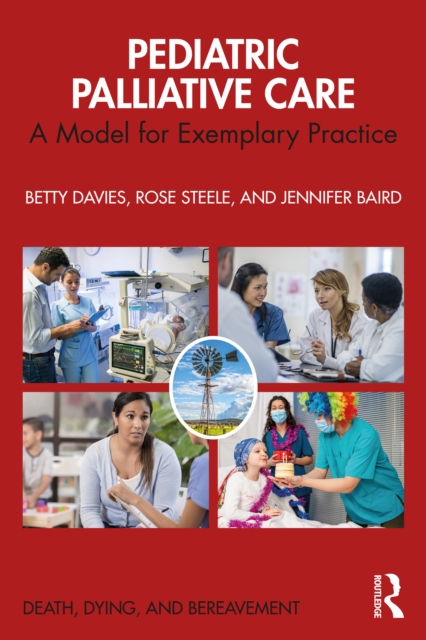
Pediatric Palliative Care: A Model for Exemplary Practice lays out a road map for health-care providers interested in optimizing care for seriously ill children and their families.
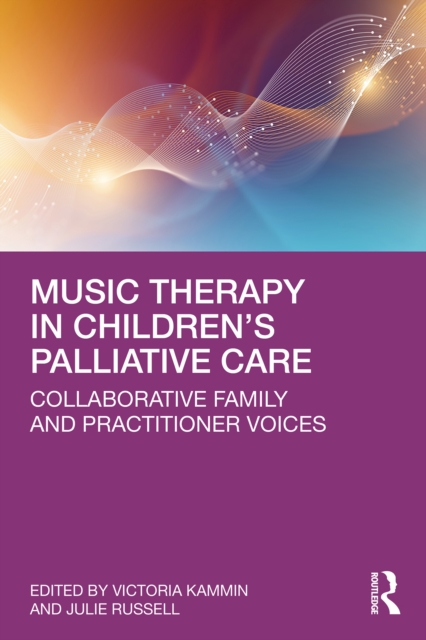
Giving voice to the perspectives of children and families with lived experience of children's palliative care, Music Therapy in Children's Palliative Care: Collaborative Family and Practitioner Voices explores the integral role of music therapy and its benefits for supporting child and family wellbeing within a range of children's palliative care settings.
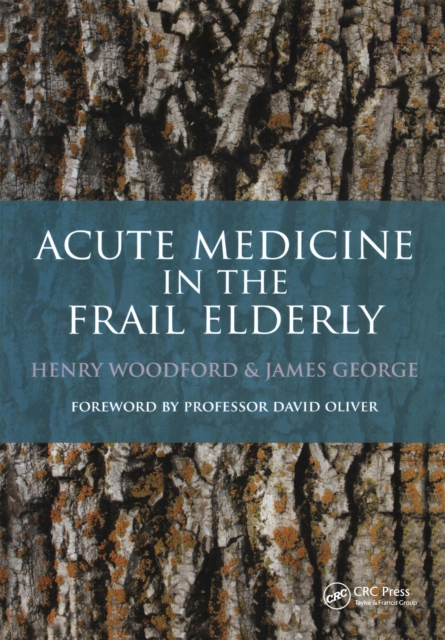
This concise, introductory handbook discusses the basic principles of medical ethics, and includes practical, realistic guidance on how to evaluate and manage common ethical problems, focusing on the care of elderly patients Typical scenarios faced in clinical practice, such as issues of mental capacity and consent, resuscitation, near death decisions, quality of life, and health care expenditure, are discussed
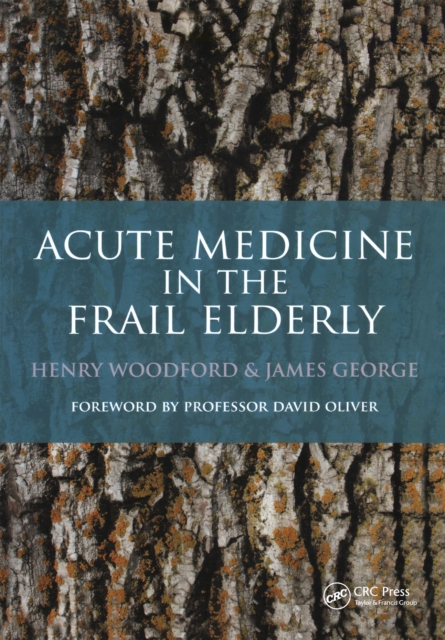
This concise, introductory handbook discusses the basic principles of medical ethics, and includes practical, realistic guidance on how to evaluate and manage common ethical problems, focusing on the care of elderly patients Typical scenarios faced in clinical practice, such as issues of mental capacity and consent, resuscitation, near death decisions, quality of life, and health care expenditure, are discussed
This book is a comprehensive summary of the recommendations for best practice, and current evidence, for physical activity and rehabilitation of functional deficits in individuals with end-stage diseases.
This book is a comprehensive summary of the recommendations for best practice, and current evidence, for physical activity and rehabilitation of functional deficits in individuals with end-stage diseases.
Living with Uncertainty gives a broad perspective on the complexities and challenges of the practice of end-of-life care, as well as the perceived benefits and limitations of medical intervention.
Living with Uncertainty gives a broad perspective on the complexities and challenges of the practice of end-of-life care, as well as the perceived benefits and limitations of medical intervention.
Finding Dignity at the End of Life discusses the need for palliative care as a human right and explores a whole-person methodology for use in treatment.
Finding Dignity at the End of Life discusses the need for palliative care as a human right and explores a whole-person methodology for use in treatment.
In this updated edition, the authors examine the issues of death and dying as a continuum, from death education and care of the dying to grief and bereavement.
In eight innovative sessions, Henderson, Hanson, and Reynolds provide sage advice, numerous case studies, a wide variety of assessment tools, intructional guidelines, and practical exercises to educate nursing home staff about care of the dying.
In "e;A Physician's Guide to Coping with Death and Dying"e; Jan Swanson and Alan Cooper, a physician and a clinical psychologist with many years of experience, offer insights to help medical students, residents, physicians, nurses, and others become more aware of the different stages in the dying process and learn how to communicate more effectively with patients and their families.
Author Tom Preston, MD, and his terminally ill patients and their families often face the controversial predicament of how to die when suffering has been medically extended.
This practical guide summarizes the principles of working with dying patients and their families as influenced by the commoner world religions and secular philosophies.
This practical guide summarizes the principles of working with dying patients and their families as influenced by the commoner world religions and secular philosophies.
Individuals and families face challenges at the end of life that can vary significantly depending on social and cultural contexts, yet more than ever is now known about the needs that cut across the great diversity of experiences in the face of dying and death.
Individuals and families face challenges at the end of life that can vary significantly depending on social and cultural contexts, yet more than ever is now known about the needs that cut across the great diversity of experiences in the face of dying and death.
This book focuses on our emotional responses to cancer by offering a range of perspectives: psychoanalytic, medical, spiritual and religious, as well as literary.
Though there has been much written about dying and bereavement in recent years, the particular stress of terminal illness in childhood - as it affects both the families and the professionals - is only beginning to be better understood.
This book focuses on our emotional responses to cancer by offering a range of perspectives: psychoanalytic, medical, spiritual and religious, as well as literary.