This book offers an excellent introduction to the use of novel therapeutic vaccines for common diseases based on their ability to induce antibody production.
This book summarizes the progress in studies of tuberculosis host-pathogen interactions from several perspectives: molecular microbiology, immunology, animal models, clinical studies, epidemiology, and drug discovery.
This book offers an in-depth discussion of the latest strategies in the field of drug design and their applications in various disorders, in order to encourage readers to undertake their own projects.
Bacterial Pathogens and their Virulence Factors contains a detailed description of 32 major bacterial pathogens that affect human health and their associated virulence determinants.
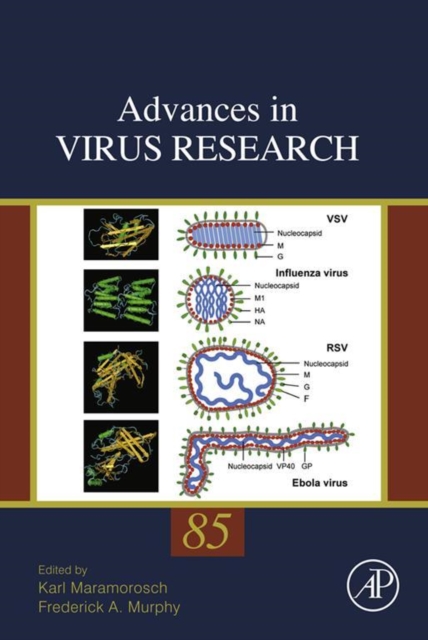
Rhabdoviruses and Filoviruses are single-stranded, non-segmented, negative-strand RNA viruses, many of which cause significant morbidity and mortality in humans and animals.
The book's purpose is to help community-based primary care physicians and nurses, and laboratory-based microbiologists, better understand each other's requirements in collecting and interpreting specimens, and thus to improve the quality of patient care, while saving resources and reducing unnecessary antibiotic prescription.
Nanotechnology Applications for Food Safety and Quality Monitoring brings together nanotechnology science-based research for food safety and quality monitoring.
This second edition provides state-of-the-art and novel methods on antibiotic isolation and purification, identification of antimicrobial killing mechanisms, as well as methods for the analysis and detection of microbial responses and adaptation strategies.
This detailed book addresses the continual development and application of new methods and protocols to understand the biology of the pathogen Neisseria gonorrhoeae.
This timely book discusses antimicrobial drug resistance, specifically, the resistance against the beta-lactam class of antibiotics by Gram-Negative bacteria.
The development and rapid implementation of molecular genotyping methods have re- lutionized the possibility for differentiation and classification of microorganisms at the subspecies level.
This book explores cutting-edge methods to work with the notoriously difficult, but highly prevalent, obligate intracellular pathogen, Chlamydia trachomatis.
The fourth edition of "e;Textbook of Microbiology and Immunology"e; is an extensively revised edition , a healthy mixture of the old and the new contents.
Nicht nur in Pandemiesituationen wird der Menschheit bewusst, wie gefährlich Viren sein können und wie ungeheuer effektiv ihre Überlebensstrategie ist, obwohl diese Krankheitserreger schwerlich als Lebewesen einzustufen sind.
This fully updated second edition outlines the currently available clinical, epidemiological and experimental data on Clostridioides difficile infections(CDI) with special emphasis on studies and results achieved in Europe.
This fully updated and expanded second edition provides an overview of the major neglected tropical diseases (NTDs) occurring in sub-Saharan Africa, such as leishmaniasis, buruli ulcer, schistosomiasis and many more.
This interdisciplinary work deals with the bacterial degradation of organic and inorganic materials such as prosthetic devices and the consequent production of non-engineered nanoparticles (NPs).
This interdisciplinary work deals with the bacterial degradation of organic and inorganic materials such as prosthetic devices and the consequent production of non-engineered nanoparticles (NPs).
This book provides an overview of the metabolism of dietary compounds by the intestinal microbiota, and on the consequences of such metabolic activity on host metabolism and physiological functions; both in intestinal and peripheral tissues.
Antimicrobial Resistance in Agriculture: Perspective, Policy and Mitigation is a valuable industrial resource that addresses complex, multi-factorial topics regarding farm, wild, companion animals, fish, and how the environment plays an important role in amplification and transmission of resistant bugs into the human food chain.
Present Knowledge in Food Safety: A Risk-Based Approach Through the Food Chain presents approaches for exposure-led risk assessment and the management of changes in the chemical, pathogenic microbiological and physical (radioactivity) contamination of 'food' at all key stages of production, from farm to consumption.
The Norovirus: Features, Detection and Prevention of Foodborne Disease is a unique and valuable reference for both researchers in industry and students who need to understand how this specific pathogen behaves in order to improve control of food as a transmission of this infectious biological agent.
Published since 1953, Advances in Virus Research covers a diverse range of in-depth reviews providing a valuable overview of the current field of virology.
Atlas of Oral Microbiology provides a complete description of the oral microbial systems, illustrating them with a large variety of bacteria culture images and electron microscopy photos.
LEARN MICROBIOLOGY IN THE CONTEXT OF REAL-LIFE PATIENTS AND PREPARE FOR THE USMLE STEP 1Experience with clinical cases is key to excelling on the USMLE Step 1 and shelf exams, and ultimately to providing patients with competent clinical care.
Feed Additives: Aromatic Plants and Herbs in Animal Nutrition and Health explores the use of aromatic plants and their extracts, including essential oils in animal nutrition.
Sustainable Meat Production and Processing presents current solutions to promote industrial sustainability and best practices in meat production, from postharvest to consumption.
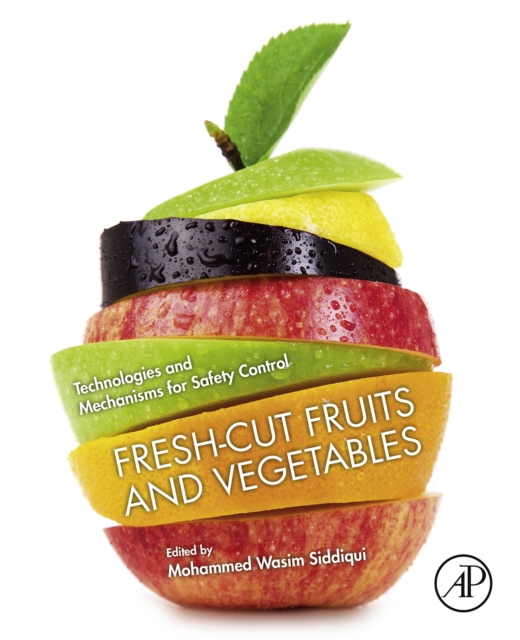
Fresh-Cut Fruits and Vegetables: Technologies and Mechanisms for Safety Control covers conventional and emerging technologies in one single source to help industry professionals maintain and enhance nutritional and sensorial quality of fresh-cut fruits and vegetables from a quality and safety perspective.
The fun, fast, portable way to review microbiology and infectious diseasesMarket: Medical Students (18,750); Physician Assistant Students (3,000); Nurse Practitioner ProgramsGreat review tool for the boards and course examsEvery card includes a board-style clinical vignetteFormat allows students to compare and contrast diseases220 High Yield Cards Kenneth D.
Building the Future of Food Safety Technology: Blockchain and Beyond focuses on evaluating, developing, testing and predicting Blockchain's impact on the food industry, the types of regulatory compliance needed, and other topics important pertaining to consumers.
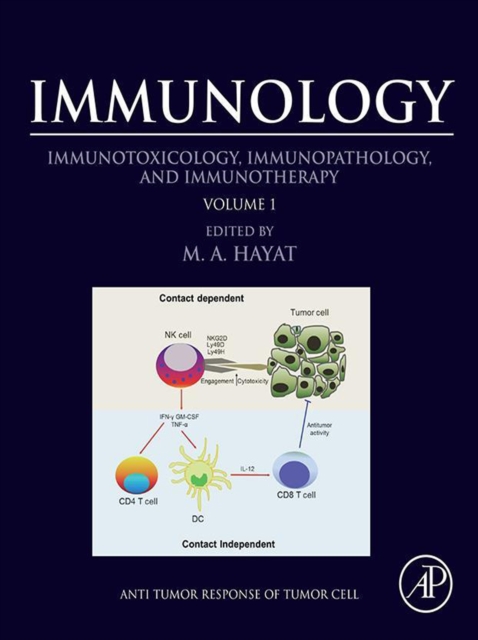
Immunology, Volume 1: Immunotoxicology, Immunopathology, and Immunotherapy discusses the investment of time, effort and finance that go into making progress in preventing and/or curing serious diseases by using standard treatments (chemotherapy, radiotherapy, surgery, and hormone therapy).
Innovative Food Analysis presents a modern perspective on the development of robust, effective and sensitive techniques to ensure safety, quality and traceability of foods to meet industry standards.