The book comprehensively discusses the mechanisms of pathogenesis and drug resistance; current diagnostics landscape of four key human pathogens; bacterial, fungal, protozoans and viral which are the causes of major infectious diseases.
This book compiles the latest information in the field of antibacterial discovery, especially with regard to the looming threat of multi-drug resistance.
This book presents a comprehensive view on mycotoxins of agricultural as well as non-agricultural environments and their health effects in humans and animals.
This book discusses recent advances in our understanding of the role of oxidants in microbial pathophysiology, providing valuable insights into the complex role of reactive oxygen species (ROS) in host-microbial interactions.
Leading basic researchers and clinical scientists describe in detail a wide variety of established and cutting-edge techniques they have developed to study the lifecycle and biological properties of the human papillomavirus.
This volume not only discusses various common biobanking topics, it also delves into less-discussed subjects such as what is needed to start a biobank, training of new biobanking personnel, and ethnic representation in biospecimen research.
This book entitled "e;Cancer Stem Cell Markers and Related Network Path-ways"e; is about cancer stem cell (CSC) markers and the molecular network pathways.
The book analyses microbiome-relevant findings focused on clinical needs providing the roadmap to implement recent achievements in the area representing a valuable contribution to the paradigm shift from reactive to predictive, preventive and personalised medicine (PPPM / 3PM) considered as the most advanced concept in medicine.
This book discusses the sources, human health hazards and risk prevention strategies associated with aeolian dust particles (fine and ultrafine) in the atmosphere.
This book provides an overview of the metabolism of dietary compounds by the intestinal microbiota, and on the consequences of such metabolic activity on host metabolism and physiological functions; both in intestinal and peripheral tissues.
This accessibly written, comprehensive summary of research findings on the gut microbiome and its implications for health and disease-a topic of growing interest and concern-serves as an essential resource for teachers and students.
The Medicine on the Move series provides fully flexible access to subjects across the curriculum in a unique combination of print and mobile formats ideal for the busy medical student and junior doctor.
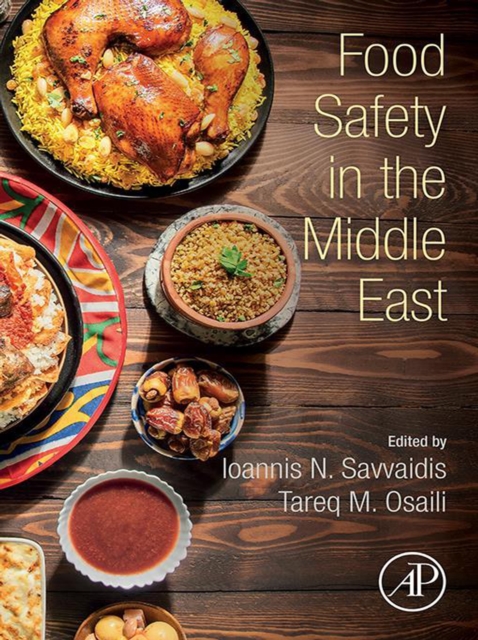
Food Safety in Middle East provides the latest research data on food safety in the Arab countries of the Middle East and summarizes recent developments on food safety practices, policies, and legislations.
This book series focuses on current progress in the broad field of medical microbiology, and covers both basic and applied topics related to the study of microbes, their interactions with human and animals, and emerging issues relevant for public health.
This book series focuses on current progress in the broad field of medical microbiology, and covers both basic and applied topics related to the study of microbes, their interactions with human and animals, and emerging issues relevant for public health.
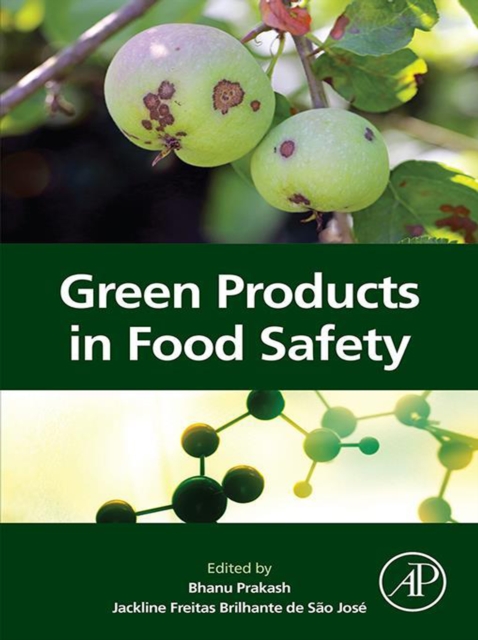
Green Products in Food Safety explores the potential of green chemicals in the sustainable management of food biodeterioration agents and addresses the current existing limitations of green products for their sustainable application.
Food Quality Analysis: Applications of Analytical Methods Coupled With Artificial Intelligence provides different spectroscopic techniques and their application to food quality analysis, with the unique approach of adding multivariate analysis as well as artificial intelligence applications.
Food Preservation and Safety of Natural Products addresses the most common causes of food spoilage that create significant loss to global food production while also discussing how food serves as a vehicle for the transmission of pathogenic microorganisms responsible for mild to debilitating health conditions in humans.
This book discusses the recent developments in the therapeutic implications of cancer stem cells for the effective diagnosis, prognosis, and treatment of cancer.
This comprehensive volume covers all aspects from the historical discovery of the filarial parasite Loa loa to the latest diagnostics and therapies for all forms of pathology used at the point of care.
This book provides a detailed and up-to-date overview of all aspects of yeast cell surface engineering, including fundamental principles, practical strategies for the construction of engineered yeasts, as well as medical and industrial applications.
This book summarises the current knowledge on the role played by biologically relevant transition metals (Fe, Mn, Zn, Ni, Co, Cu and Mg) in the basic biology and virulence of bacterial pathogens from the genus Brucella.
To promote effectiveness and minimize possible toxicity, the dosage of certain medications must be adjusted in persons with compromised kidney function.
This book emerges from the idea that specific physics-inspired approaches are necessary to understand different stage of bacterial physiology and the infections they cause.
This book offers a valuable resource, reviewing the current state of knowledge concerning the pathology and epidemiology of infectious diseases in both captive and wild monkeys.
This volume is the first-ever complete treatise on polymyxins and presents the most comprehensive and up-to-date reviews of all major research and clinical topics from chemistry, microbiology, pharmacology, clinical use, to drug discovery.
Food Safety in Middle East provides the latest research data on food safety in the Arab countries of the Middle East and summarizes recent developments on food safety practices, policies, and legislations.
Advanced Food Analysis Tools: Biosensors and Nanotechnology provides the latest information on innovative biosensors and tools that are used to perform on-site detection tests.
Fenner's Veterinary Virology, Fifth Edition, is a comprehensive reference of global importance that features coverage on viral agents, viral diseases of animals, and newly emerging viral zoonotic diseases.
Food Preservation, Volume Six, the latest in the Nanotechnology in the Agri-Food Industry series, discusses how nanotechnology can improve and control the growth of pathogenic and spoilage compounds to improve food safety and quality.
The book focuses on the evolutionary impact of horizontal gene transfer processes on pathogenicity, environmental adaptation and biological speciation.
This book offers a basic understanding of the complex mechanisms that protect the brain from harmful substances while still allowing for essential functions such as nutrient transport and waste removal.