This contributed volume provides insights into multiple applications using microbes to promote productivity in agriculture, to produce biochemicals or to respond to challenges in biomedicine.
The book begins with a review of zoonotic pandemics of the past: the "e;Black Death"e; or bubonic plague of the Middle Ages, the Spanish Influenza pandemic (derived from avian influenza) of the early 20th century, to the more modern pandemic of AIDS/HIV infection, which originated in Africa from primates.
This volume reviews the current state of research concerning bacterial virulence factors and the infection biology of Helicobacter pylori, which is the leading cause of peptic ulcers and gastric cancer worldwide.
This book on Candida albicans and similar pathogens provides a timely overview of the groundbreaking discoveries made in the areas of drug resistance, host–pathogen interactions, virulence, host immune system modulation, etc.
This volume describes the mechanisms which bacteria have created to secure their survival, proliferation and dissemination by subverting the actin cytoskeleton of host cells.
This volume focuses on antibiotics research, a field of topical significance for human health due to the worrying increase of nosocomial infections caused by multi-resistant bacteria.
The eye is a computerized system that has been designed for self-defense, and these defense mechanisms create challenges in administration of medications to the eye.
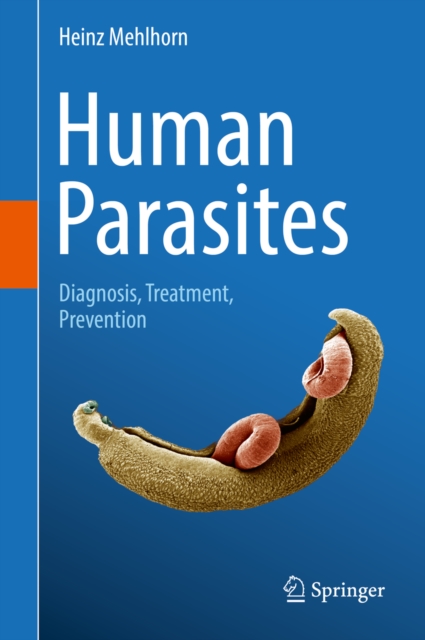
This textbook focuses on the most important parasites affecting dogs, cats, ruminants, horses, pigs, rabbits, rodents, birds, fishes, reptiles and bees.
This pioneering book offers an introduction to photodynamic therapy, a promising new approach in the treatment of complex diseases like cancer and microbial infections in animals.
This book describes the growing body of information on the epidemiology, clinical manifestations, transmission, pathogenesis, diagnosis, and treatment of Kingella kingae infections in young children.
The Advances in Microbiology, Infectious Diseases and Public Health Series will provide microbiologists, hygienists, epidemiologists and infectious diseases specialists with well-chosen contributed volumes containing updated information in the areas of basic and applied microbiology involving relevant issues for public health, including bacterial, fungal and parasitic infections, zoonoses and anthropozoonoses, environmental and food microbiology.
This volume details our current understanding of the architecture and signaling capabilities of known canonical and non-canonical inflammasome complexes and highlights their action, in particular in response to infection with important bacterial model organisms and the corresponding disease pathologies.
Current cancer therapies are focused on three general strategies: modifying intrinsic radiosensitivity via molecular targeting, manipulating microenvironmental factors to enhance tumor susceptibility to radiation, and improving delivery of radiation to critical tumor locations while sparing normal tissues.
This well-illustrated quick reference book, now in its second edition, is a comprehensive guide to the aquatic skin diseases caused by biotic and non-biotic noxae.
This book describes novel microtechnologies and integration strategies for developing a new class of assay systems to retrieve desired health information from patients in real-time.
In the post human-genome project era, cancer specific genomic maps are redesigning tumor taxonomy by evolving from histopathology to molecular pathology.
In recent years, advanced molecular techniques in diagnostic microbiology have been revolutionizing the practice of clinical microbiology in the hospital setting.
DieAnwendung von antibakteriell wirksamen Substanzen in der Veterinärmedizinerfolgt zum einen aus Gründen des Verbraucherschutzes, zum anderen zurErhaltung der Tiergesundheit.
This volume reviews the current understanding of the taxonomy, disease syndromes, genetics, biology, and pathogenic factors of Histophilus somni, as well as the host immune response to this pathogen.
Written by specialists in the different fields, this book presents new perspectives and insights into strategies and weapons to fight microbial infections.
This Series will provide microbiologists, hygienists, epidemiologists and infectious diseases specialists with well-chosen contributed volumes containing updated information in the areas of basic and applied microbiology involving relevant issues for public health, including bacterial, fungal and parasitic infections, zoonoses and anthropozoonoses, environmental and food microbiology.
The Series will provide microbiologists, hygienists, epidemiologists and infectious diseases specialists with well-chosen contributed volumes containing updated information in the areas of basic and applied microbiology involving relevant issues for public health, including bacterial, fungal and parasitic infections, zoonosis and anthropozoonosis, environmental and food microbiology.
In the last quarter century, advances in mass spectrometry (MS) have been at the forefront of efforts to map complex biological systems including the human metabolome, proteome, and microbiome.
This book provides an overview on the major neglected tropical diseases (NTDs) occurring in Sub-Saharan Africa, such as Leishmaniasis, Buruli Ulcer and Schistosomiasis.
Epigenetic modification of cellular genomes is a fascinating means of regulating tissue- and cell type-specific gene expression in all developmental stages of the life of an organism.
Head and neck squamous cell carcinoma (HNSCC), the sixth most prevalent cancer worldwide, remains a very difficult disease to treat and cure despite intensive investigation into molecular etiologies and tumor progression pathways.
This book describes how psychiatric pharmaceuticals, namely antidepressants, anxiolytics, sedatives and hypnotics are among the most prescribed active substances due to the higher occurrence of psychiatric disorders throughout the world.