Bacterial pili play important roles as environmental sensors, in host colonization and in biofilm formation, enabling bacteria to interact with the environment, with surfaces and with other bacteria and host cells.
With the exception of a few tropical medicine schools worldwide, current medical education programs include almost zero discussion of the interface between infectious diseases and entomology.
The increasing prevalence of antibiotic-resistant bacteria, known as superbugs, has threatened the field of infectious disease medicine over most of the past century.
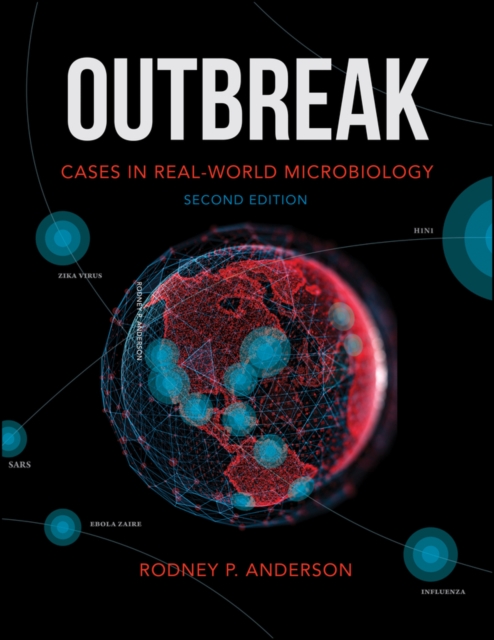
Outbreak: Cases in Real-World Microbiology, 2nd Edition, is the newest edition of this fascinating textbook designed for introductory microbiology students and instructors.
This totally revised second edition is a comprehensive volume presenting authoritative information on the management challenges facing today's clinical laboratories.
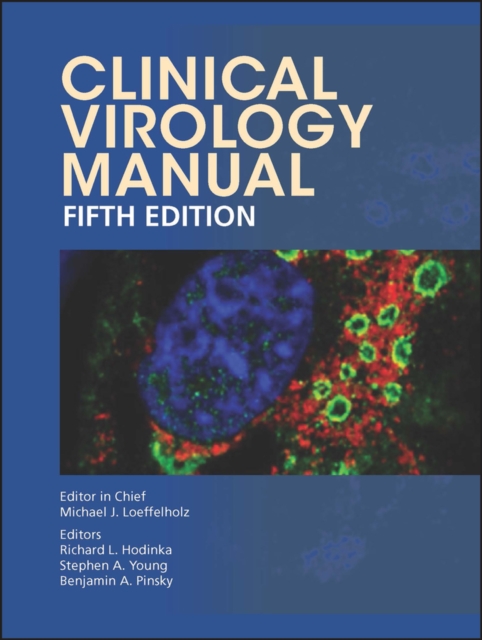
The definitive clinical virology resource for physicians and clinical laboratory virologists The clinical virology field is rapidly evolving and, as a result, physicians and clinical laboratory virologists must have a reliable reference tool to aid in their ability to identify and diagnose viral infections to prevent future outbreaks.
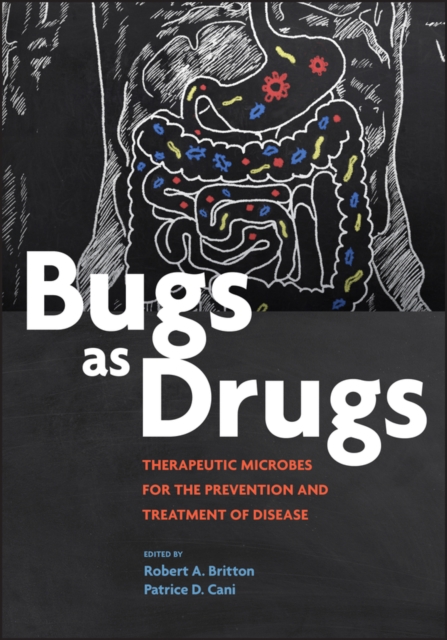
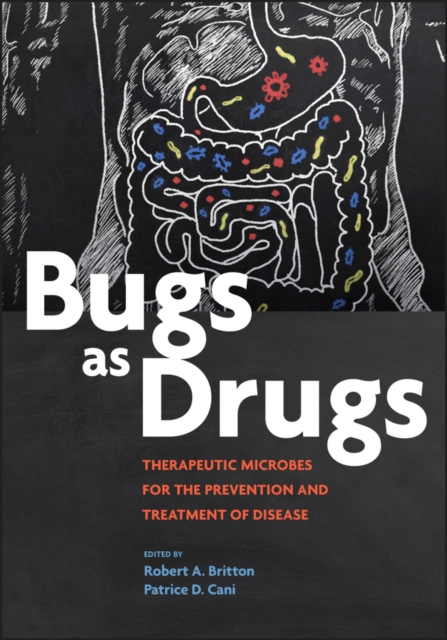
Examining the enormous potential of microbiome manipulation to improve health Associations between the composition of the intestinal microbiome and many human diseases, including inflammatory bowel disease, cardiovascular disease, metabolic disorders, and cancer, have been elegantly described in the past decade.
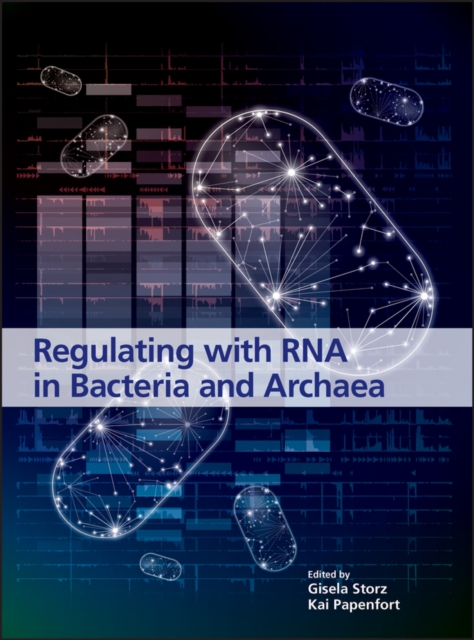
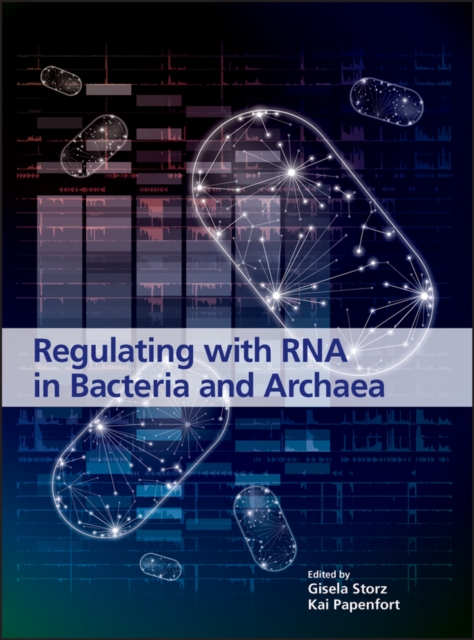
Revealing the many roles of RNA in regulating gene expression For decades after the discoveries of messenger RNA, transfer RNA, and ribosomal RNA, it was largely assumed that the role of RNA in the cell was limited to shuttling the genomic message, chaperoning amino acids, and toiling in the ribosomes.
Outbreak: Cases in Real-World Microbiology, 2nd Edition, is the newest edition of this fascinating textbook designed for introductory microbiology students and instructors.
Revealing the many roles of RNA in regulating gene expression For decades after the discoveries of messenger RNA, transfer RNA, and ribosomal RNA, it was largely assumed that the role of RNA in the cell was limited to shuttling the genomic message, chaperoning amino acids, and toiling in the ribosomes.
So far as 'General Bacteriology' is concerned, the fundamental subject has been properly arranged with special reference to the chapters on Antibiotics and Chemotherapeutics, Immunology (and hypersensitivities) with some special amplification of Molecular Biology, Genetics, Immunogenetics.
The aim of this book is to provide a theoretical and visual aid to the identification of the causative agents (bacteria, viruses, fungi) of human diseases, serological tests, common laboratory media, instruments, laboratory animals, and to study the morphology and life cycle of medically important parasites.
This book could impart a clear, complete concept of this subject within a short time, when the nursing students are covering their vast nursing curriculum with ever increasing pressure due to the recent advances in nursing.
The purpose of the book is to present up-to-date summary of the newly detected viruses and to guide clinicians and microbiologists to the relevant topics and help to make readers aware of the increasing problem of respiratory viruses.
Food Safety Management: A Practical Guide for the Food Industry, Second Edition continues to present a comprehensive, integrated and practical approach to the management of food safety throughout the production chain.
In this second edition of Infectious Diseases and Arthropods, Jerome Goddard summarizes the latest thinking about the biological, entomological, and clinical aspects of the major vector-borne diseases around the world.
Leading infectious disease researchers and pharmaceutical scientists comprehensively review the latest genomic technologies and their application to the prevention, diagnosis, and treatment.
Although there have been many books on HIV and AIDS, surprisingly little has been published that focuses on the immunology of retroviral infections in general, and HIV in particular.
Examining the enormous potential of microbiome manipulation to improve health Associations between the composition of the intestinal microbiome and many human diseases, including inflammatory bowel disease, cardiovascular disease, metabolic disorders, and cancer, have been elegantly described in the past decade.
The definitive clinical virology resource for physicians and clinical laboratory virologists The clinical virology field is rapidly evolving and, as a result, physicians and clinical laboratory virologists must have a reliable reference tool to aid in their ability to identify and diagnose viral infections to prevent future outbreaks.
This totally revised second edition is a comprehensive volume presenting authoritative information on the management challenges facing today's clinical laboratories.
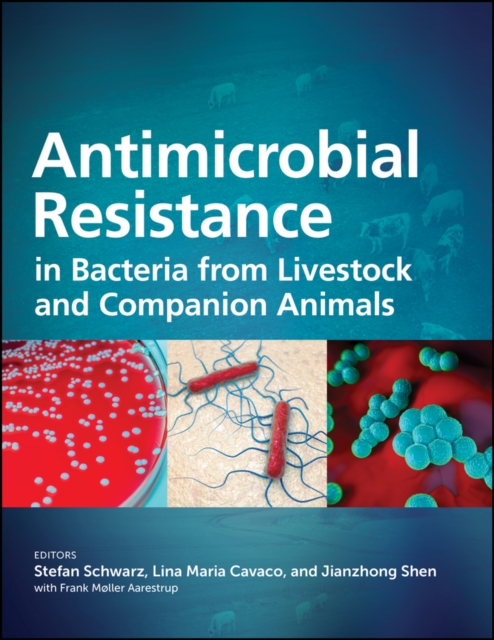
Bacterial infections have become more difficult, and sometimes impossible, to treat due to antibiotic resistance, which occurs when bacteria develop the ability to defeat the available drugs designed to kill them.
The opening study included in West Nile Virus: Outbreaks, Control and Prevention Strategies aims to design and implement an efficient data-driven agent-based model of West Nile virus spread, considering highly-mobile humans with a high level of heterogeneous properties.
To mitigate the spread of the rare and deadly disease Ebola, Ebola Virus Disease (EVD): Outbreaks, Control and Prevention Strategies begins with the proposition of a mathematical model with vital dynamics and two preventive measures: quarantine and isolation.
Bacillus subtilis is a motile gram-positive bacterium widespread in the soil and the gut of animals which has been reported to cause opportunistic infections in immunocompromised patients.
The bubonic plague, smallpox, HIV/AIDS, malaria, and influenza are some of the worst epidemics/pandemics that afflicted human beings from antiquity to modern times, killing millions of people.
This pop-science volume is Paul de Kruif's classic account of microscopic discoveries, and it presents a history of the most important figures in medicine.
Microbes were the first forms of life on this planet and have survived by adapting to ever-changing environments, from simple one-celled life forms to intelligent, decision-making, life-sustaining species in charge of many primary functions in Earths biochemical and biological balances.
This fully updated second edition outlines the currently available clinical, epidemiological and experimental data on Clostridioides difficile infections(CDI) with special emphasis on studies and results achieved in Europe.
Este libro se ha editado con el objetivo de compilar la información relativa al COVID-19 de una forma fácil y como una forma de ayudar al personal sanitario de todo el mundo, auténtico baluarte en la pandemia, contribuyendo con su esfuerzo en esta crisis sanitaria que nos afecta a todos.