Opportunistic Infections: Toxoplasma, Sarcocystis, and Microsporidia will focus on two important Genera of Apicomplexan parasites, Toxoplasma gondii and Sarcocystis species, and the medically important members of the Phylum Microsporida.
Although the means of diagnosing and treating fungal infections have improved greatly over the last decade fungi still represent a serious threat to the health of immunocompromised and immunodeficient patients.
Pseudomonas volume 5 is intended to collect new information on the genomics of saprophytic soil Pseudomonas, as well as functions related to genomic islands.
It is more evident now than ever before that dynamic organization of human genome into nucleoprotein structure, chromatin confers the unique regulatory mechanisms for most of the cellular phenomena, which include replication, transcription, DNA repair, recombination and also apoptosis.
Since the subject of high dilution effects is still a subject for debate, this volume provides evidence in support of effects from control clinical studies, clinical records from veteran physicians, controlled experiments on animals and plants, and in vitro tests without any organisms (Chapter II).
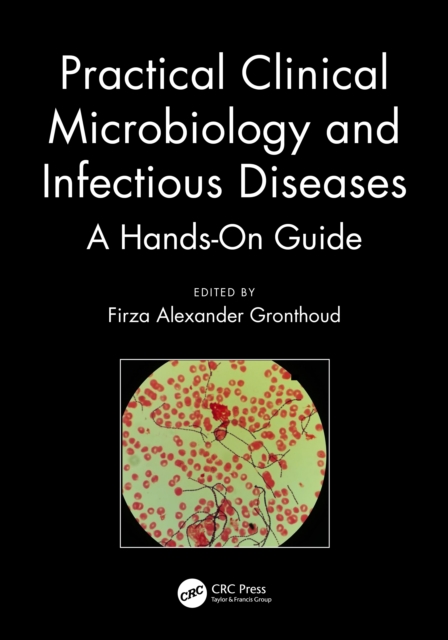
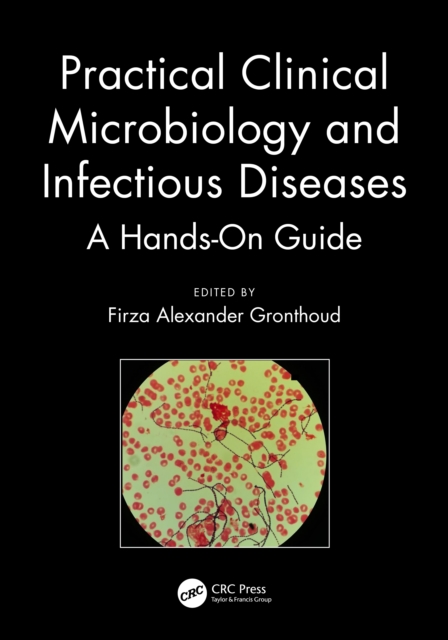
This book offers practical tips and essential guidance for trainees and specialists in clinical microbiology and infectious diseases and healthcare professionals interested in infection management to put theoretical knowledge into daily practice.
This book offers practical tips and essential guidance for trainees and specialists in clinical microbiology and infectious diseases and healthcare professionals interested in infection management to put theoretical knowledge into daily practice.
Pocket Guide to Bacterial Infections provides information pertinent to the behaviour of bacterial cells during their interactions with different cell types of multiple host systems.
Pocket Guide to Bacterial Infections provides information pertinent to the behaviour of bacterial cells during their interactions with different cell types of multiple host systems.
The Pocket Guide to Mycological Diagnosis provides useful and concise information for microbiologists and professionals diagnosing the most medically relevant fungal species.
The Pocket Guide to Mycological Diagnosis provides useful and concise information for microbiologists and professionals diagnosing the most medically relevant fungal species.
At the dawn of precision medicine, there is a new opportunity for novel approaches to understand, diagnose and treat endometrial disorders that affect fertility, reproductive outcomes, and women's health more broadly.
Designed for tomorrow's health care and nursing professionals, MICROBIOLOGY: PRACTICAL APPLICATIONS AND INFECTION PREVENTION, 1st Edition provides you with an overview of medical microbiology while emphasizing practical applications in clinical and care settings.
The most dynamic, comprehensive, and student-friendly text on the nature of microorganisms and the fascinating processes they employ in producing infections diseaseA Doody s Core Title 2023 & 2026!
Publisher's Note: Products purchased from Third Party sellers are not guaranteed by the publisher for quality, authenticity, or access to any online entitlements included with the product.
This is the updated version of the hugely popular Applied Microbiology for Nurses, providing essential information about how infection occurs, methods to prevent it and the precautions required to contain it.
This reference examines laboratory techniques and FDA and industry perspectives on medical, food service, and consumer product applications of antimicrobials.
Instant Notes in Medical Microbiology covers medical microbiology from the molecular biology of infectious agents right through to the clinical management of the infected patient, including disease pathogenesis, diagnosis, and the use of antimicrobial therapy.
Instant Notes in Medical Microbiology covers medical microbiology from the molecular biology of infectious agents right through to the clinical management of the infected patient, including disease pathogenesis, diagnosis, and the use of antimicrobial therapy.
Although there are many texts that provide quality information for the identification of fungi, researchers and technologists rarely have time to read the text.