The purpose of this book-the fourth volume of a series on Can- cer Markers-is intended to provide an updated "e;status report"e; on today's use of cancer markers in the diagnosis and monitoring of can- cer, with an emphasis on cancer markers detected in the serum.
Since 1975, when the University of Oklahoma faculty created their review course for second-year medical students, the Oklahoma Notes have been among the most trusted and widely used reviews for the National Boards.
Fully updated, the 4th edition of Cytology helps you apply the latest diagnostic techniques for the interpretation of a complete range of cytological specimens.
This book highlights progress and trends in the rapidly evolving field of complement-related drug discovery and spotlights examples of clinical applications.
It wouldn't be for years after that fateful day when Alexander Fleming sneezed on a petri dish and stumbled upon Penicillin, that the almost miraculous power of this mould would transform the lives of every person on the planet.
A Jew who left Germany when Hitler came to power, Sir Ernst Chain was a winner, with Sir Alexander Fleming and Lord Florey, of the Nobel Prize for Physiology and Medicine in 1945.
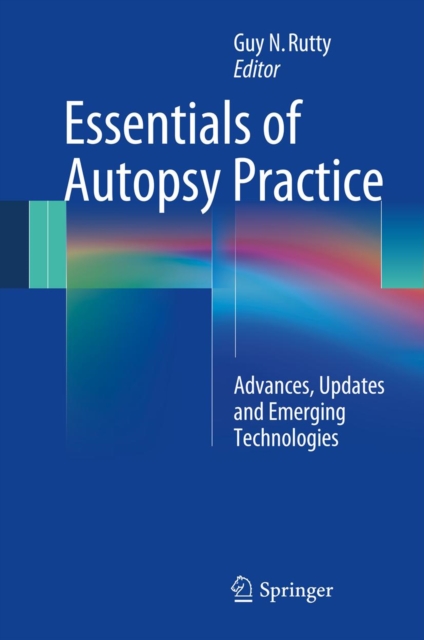
This book covers new and exciting topics which have emerged in the area of autopsy recently, including the three different post-mortem CT-angiography systems currently available to practitioners in this field; a highly topical chapter on the role of genetic abnormalities in the handling of drugs within the body and how this can affect the interpretation of toxicological results in relation to how the drug may have caused or contributed to death; an update on the current classification and considerations related to deaths due to hanging; a review of injuries and fatalities caused by animals including post-mortem scavenging; an authoritative review of poisons and toxins from water and the life that inhabits it; and recent advances in knowledge in the use of entomology as an investigative tool as well as knowledge related to colonisation of cadavers by insects, animals and birds.
Dermatopathology is a specialized branch of pathology in which there has been great progress as new techniques have become available to evaluate the pathology of the skin.
This book provides essential, internationally applicable information in the area of orthopedic pathology with emphasis on practical diagnostic aspects, including many illustrations: roentgenograms, CT-scans, MRI, scintigraphies, as well as pictures of gross surgical specimens and microphotographs, immunohistochemical reactions and genomics.
Genitourinary Radiology: Male Genital Tract, Adrenal and Retroperitoneum: The Pathologic Basis is the second volume in a set of books on the pathologic basis of genitourinary radiology.
The first edition of this book was written prior to 1991 and it seemed appropriate to revise and update the text in view of the rapid expansion in information which has occurred in the last decade.
This book has been written to give guidance to histopathologists who are dealing with pathological specimens submitted by ophthalmologists, whether in a general pathology laboratory or in a specialist ophthalmic pathology laboratory.
The relentless decline in the hospital based autopsy has been documented else- where in detail and has been generally deplored as a loss of an important method of "e;quality control"e; at a time when the practise of Medicine is closely scrutinised.
Histopathology Reporting: Guidelines for Surgical Cancer provides an easily comprehensible and practicable framework for standardised histopathology reports in surgical cancer.
In the seven years since the first edition of this book was published there have been many important developments in knowledge of neuromuscular diseases.
Fetal and Neonatal Pathology presents in one volume an account of the pathological findings encountered when examining fetuses from the second and third trimester of pregnancy as well as in neonatal death.
In a condition of such complexity as bronchial carcinoma and at a time when the scientist's understanding of malignant disease is still incomplete, it is inevitable that views within the medical profession will proliferate.
"e;If you need one book that's crammed with clinically excellent, genuinely well informed and useful ideas for working with family relationships in all their permutations, this is undoubtedly it"e; - Professor Colin Feltham, Sheffield Hallam University "e;This is easy to read and has a clear layout.
"e;This book's strengths are [Brenda Mallon's] clinical wisdom, experience and insights, and the practical, constructive, down-to-earth way in which she conveys these to her readers.
`A thought provoking and interesting book that will be of interest to nurses and others supporting patients' - Accident and Emergency Nursing`It is a relevant and timely book that will remind therapists of the importance of the telling of client's stories as an important component of the therapeutic process.
Drawing on many years' experience in practice, teaching and research, Mark Rivett and Eddy Street present philosophical, sociological and empirical views of family therapy.
"e;If you need one book that's crammed with clinically excellent, genuinely well informed and useful ideas for working with family relationships in all their permutations, this is undoubtedly it"e; - Professor Colin Feltham, Sheffield Hallam University "e;This is easy to read and has a clear layout.
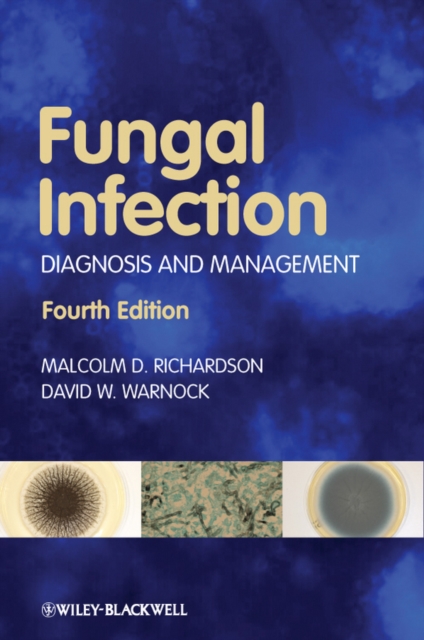
Fungal Infection: Diagnosis and Management, 4th Edition is a concise and up-to-date guide to the clinical manifestations, laboratory diagnosis and management of superficial, subcutaneous and systemic fungal infections.