Despite advances in hygiene, food treatment, and food processing, diseases caused by foodborne pathogens continue to constitute a worldwide public health concern.
A fundamental and groundbreaking reassessment of how we view and manage cancer When we think of the forces driving cancer, we don't necessarily think of evolution.
As compared with cytology's use in other organ systems, direct cytological examination of the endometrium is not a widely practiced diagnostic procedure.
It is important that scientists think about and know their history - where they came from, what they have accomplished, and how these may affect the future.
Critical Care Neurology, Part II: Neurology of Critical Illness focuses on the care specialists and general neurologists that consult in the ICU and their work with patients in acute, life-threatening situations who are dealing with neurologic or neurosurgical crises emanating from either a preexisting neurologic syndrome or from a new neurologic complication appearing as a result of another medical or surgical critical illness.
Winner of the 2002 BMA Popular Medicine Book Prize: This is a haunting literary and scientific examination of Alzheimer's disease and the race to find a cure.
Plant Disease covers all aspects of diseases of plants growing in the wild or likely to be encountered on cultivated plants in farm, forest and garden.
A powerful novel exploring the effects of autism on a young family from Marti Leimbach, author of the international bestseller 'Dying Young', who has experienced and dealt with the condition within her immediate family.
Bestselling authors and communication and parenting experts Steve and Shaaron Biddulph bring you a humorous, loving guide to creating a successful long-term relationship.
Radioactive isotopes and enriched stable isotopes are used widely in medicine, agriculture, industry, and science, where their application allows us to perform many tasks more accurately, more simply, less expensively, and more quickly than would otherwise be possible.
Radioactive isotopes and enriched stable isotopes are used widely in medicine, agriculture, industry, and science, where their application allows us to perform many tasks more accurately, more simply, less expensively, and more quickly than would otherwise be possible.
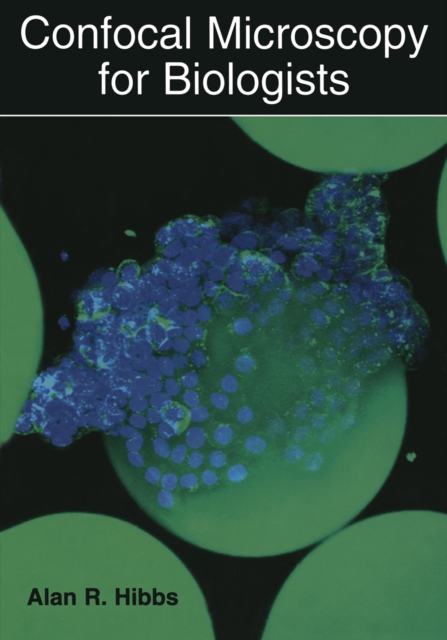
There has been a great upsurge in interest in light microscopy in recent years due to the advent of a number of significant advances in microscopy, one of the most important of which is confocal microscopy.
For the eighth time the yersiniologists all over the world gathered together when the International Symposium on Yersinia was organized by University of Turku and Turku Microbiology Society in Turku, Finland.
In the closing decade of the last century, we saw warnings that infectious diseases will require much more attention from patients and physicians in the 21 st century.
Atlas of Selective Lymphadenectomy for Melanoma, Breast Cancer and Colon Cancer emphasizes a multidisciplinary approach combining the experiences of a nuclear medicine physician, surgeon, and pathologist.
Histochemistry deals with the activities of chemical components in cells, and immunohistochemistry addresses the function of cell types in tissue or organs, such as those leading to acceptance or rejection of grafts or organs.
At the beginning of the new millennium, it is opportune to raveling of the molecular pathways of impaired host - review what has been accomplished in the field of infec- fense mechanisms and the characterization of the genetic tious diseases during the last decades of the previous mutations involved, with the prospect of novel strategies century.
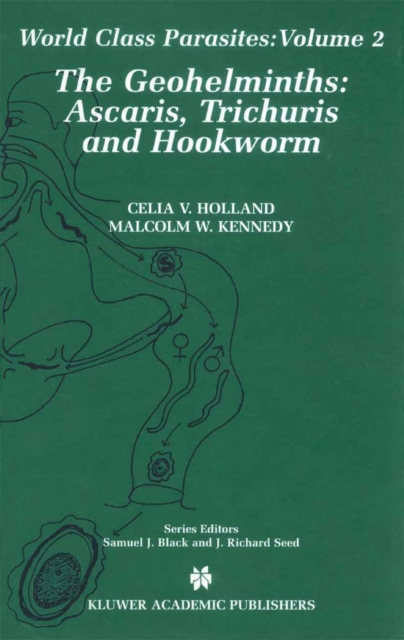
The soil-transmitted nematode parasites, or geohelminths, are - called because they have a direct life cycle, which involves no intermediate hosts or vectors, and are transmitted by faecal contamination of soil, foodstuffs and water supplies.
This book describes all human leukemia-lymphoma cell lines that have been established and that grow continuously under standardised in vitro conditions.
This book provides up-to-date information on the molecular diagnosis of viral diseases, including COVID-19, zika virus, human immunodeficiency virus (HIV), viral hepatitis, meningitis, and human papilloma virus (HPV).