Die Neubearbeitung des Buches liefert einen fundierten und praxisorientierten Leitfaden für die Durchführung zieloffener verhaltenstherapeutischer Gruppentherapien im stationären und ambulanten Setting.
THE #1 NEW YORK TIMES BESTSELLER'Everything you need to know about one of the deadliest outbreaks in human history' Bill Gates'Easily our fullest, richest, most panoramic history of the subject' New York Times Book ReviewIn 1918, the world faced the deadliest pandemic in human history.
The incredible book behind the primetime Channel 4 documentary, Peter: The Human Cyborg'A remarkable account of what it means to be human and what technology can really achieve' Sunday Telegraph'Peter's story is one of the most extraordinary you will ever hear.
This reference examines laboratory techniques and FDA and industry perspectives on medical, food service, and consumer product applications of antimicrobials.
Lymphomas classically manifest themselves in the lymph nodes but can also present in other bodily tissues or systems; the organ where exactly they present may make a very great difference to the strategy that should be adopted for their management.
With increasing emphasis on the early diagnosis and management of urologic tumours, it is imperative that the practising urologist comprehend the relevance of the morphology for the clinical diagnostic and therapy.
Thoroughly updated and revised, this new edition of the classic clinical text provides a comprehensive review of physical measurements used in the clinical evaluation of neonates, children, and adults presenting with dysmorphic features, structural anomalies, or genetic syndromes.
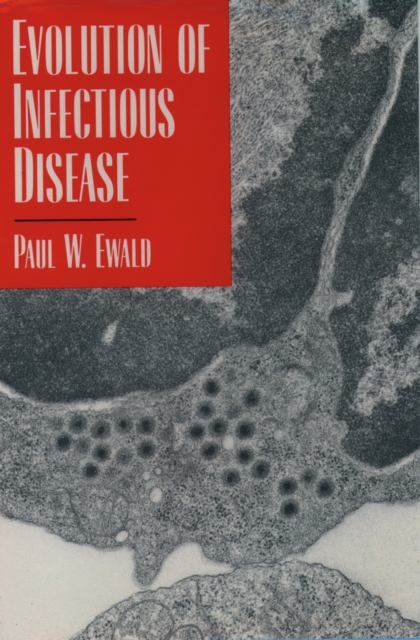
Findings from the field of evolutionary biology are yielding dramatic insights for health scientists, especially those involved in the fight against infectious diseases.
The Oxford American Handbook of Clinical Examination and Practical Skills is a comprehensive pocket guide for medical, physician assistant, and nurse practitioner students.
The Oxford American Handbook of Clinical Examination and Practical Skills is a comprehensive pocket guide for medical, physician assistant, and nurse practitioner students.
In 74 chapters, Gastrointestinal Oncology brings together a diverse group of specialists to provide the most authoritative, up-to-date and encyclopedic volume currently available on the subject.
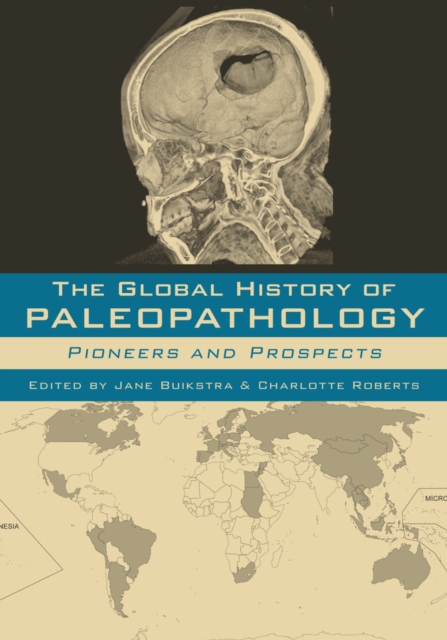
The Global History of Paleopathology is the first comprehensive global compendium on the history of paleopathology, an interdisciplinary scientific discipline that focuses on the study of ancient disease.
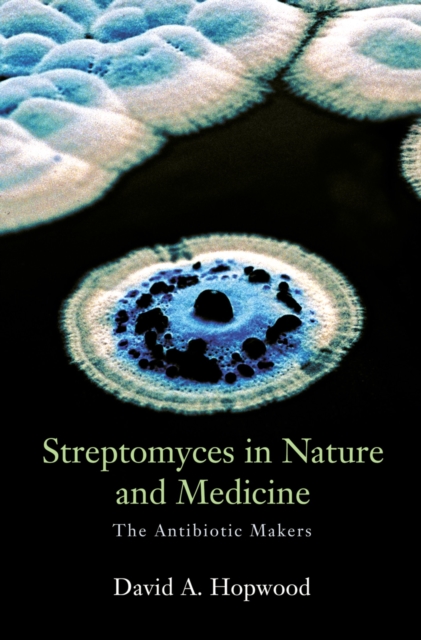
This is an insiders account of 50 years of genetic studies of the soil-inhabiting microbes that produce most of the antibiotics used to treat infections, as well as anti-cancer, anti-parasitic and immunosuppressant drugs.
Cells, Aging, and Human Disease is the first book to explore aging all the way from genes to clinical application, analyzing the fundamental cellular changes which underlie human age-related disease.
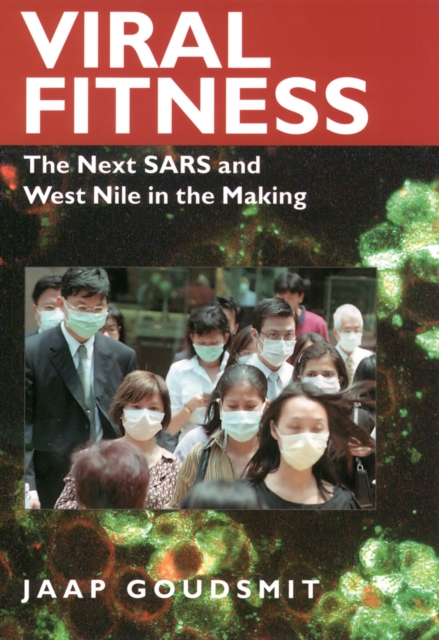
Despite vaccines and medicines, we have not succeeded in eradicating the most poisonous viruses in the world, like jaundice, measles, diarrhea, polio, and AIDS, not to mention newcomers like West Nile and SARS.
Focusing on the basic principles of mineral formation by organisms, this comprehensive volume explores questions that relate to a wide variety of fields, from biology and biochemistry, to paleontology, geology, and medical research.
The ecological relationships found to exist between tick vectors and pathogens in their zootic cycle can profoundly influence patterns of transmission and disease for humans and domestic animals.
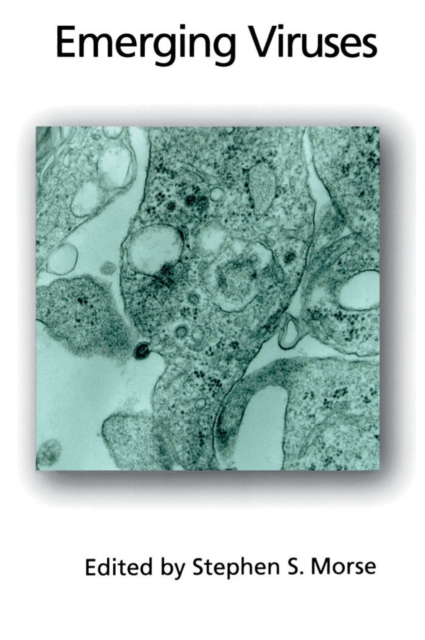
New epidemics such as AIDS and "e;mad cow"e; disease have dramatized the need to explore the factors underlying rapid viral evolution and emerging viruses.
Findings from the field of evolutionary biology are yielding dramatic insights for health scientists, especially those involved in the fight against infectious diseases.
Oxford Case Histories in Infection and Microbiology contains over 45 well structured cases, providing comprehensive coverage of the diagnostic and management dilemmas in clinical microbiology and infectious diseases.
Oxford Case Histories in Infection and Microbiology contains over 45 well structured cases, providing comprehensive coverage of the diagnostic and management dilemmas in clinical microbiology and infectious diseases.
The Oxford Handbook of Tropical Medicine, fifth edition is the definitive resource for medical problems in tropical regions, and in low-resource settings.
Screening programmes involve the systematic offer of testing for populations or groups of apparently healthy people to identify individuals who may be at future risk of a particular medical condition or disease, with the aim of offering intervention to reduce their risk.
Screening programmes involve the systematic offer of testing for populations or groups of apparently healthy people to identify individuals who may be at future risk of a particular medical condition or disease, with the aim of offering intervention to reduce their risk.
Written by biomedical scientists and clinicians, with the purpose of disseminating the fundamental scientific principles that underpin medicine, this new edition of the Oxford Handbook of Medical Sciences provides a clear, easily digestible account of basic cell physiology and biochemistry.
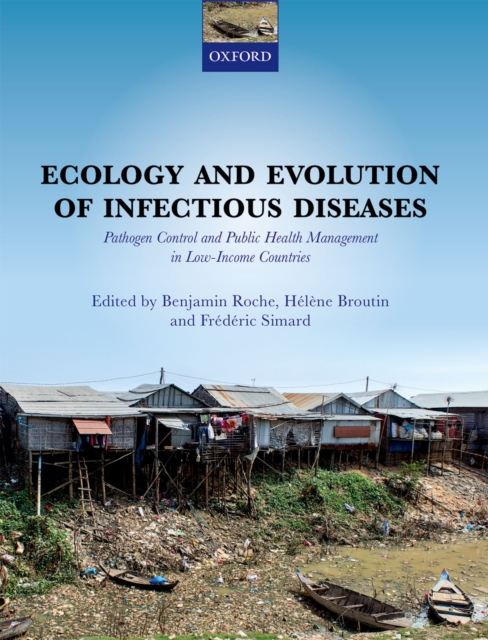
In recent years, the ecology and evolution of infectious diseases has been studied extensively and new approaches to the study of host-pathogen interactions continue to emerge.
Challenging Concepts in Infectious Diseases and Clinical Microbiology details over 30 challenging cases from a wide area of infectious diseases, medical microbiology and virology and includes topics ranging from typhoid fever to secondary syphilis.
Challenging Concepts in Infectious Diseases and Clinical Microbiology details over 30 challenging cases from a wide area of infectious diseases, medical microbiology and virology and includes topics ranging from typhoid fever to secondary syphilis.
This new book is designed to enable researchers to design and undertake all aspects of a phage display project, from designing an experimental strategy and constructing a library to performing selections and analyzing the results.
This book explores the broad and diverse biological and physiological impacts of established and newly discovered cyclic di-nucleotide second messenger signaling systems, while also providing descriptions of the intriguing biochemical characteristics of multiple turnover enzymes and receptors.