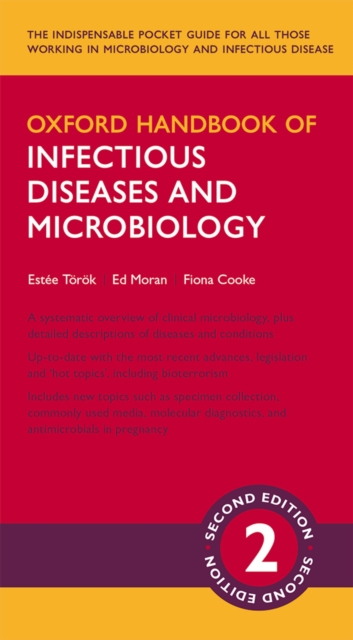
Fully reviewed and revised for its second edition, the Oxford Handbook of Infectious Diseases and Microbiology maintains its position as the must-have guide to all aspects of infectious diseases and microbiology.
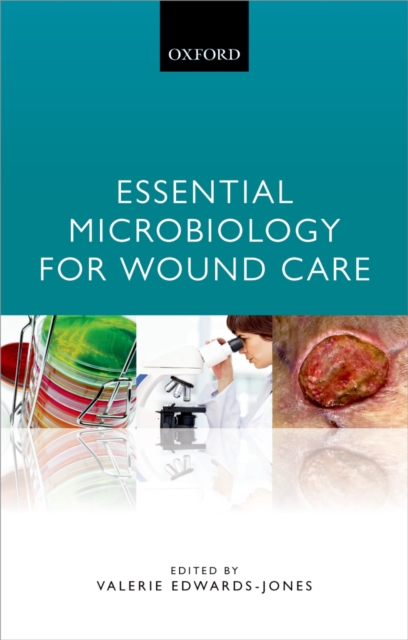
Many healthcare practitioners understand the role microbiology has within the management of their patients, particularly when this involves wound care and the healing process.
Many healthcare practitioners understand the role microbiology has within the management of their patients, particularly when this involves wound care and the healing process.
Biopolitics and posthumanism have been passe theories in the academy for a while now, standing on the unfashionable side of the fault line between biology and liberal thought.
Biopolitics and posthumanism have been passe theories in the academy for a while now, standing on the unfashionable side of the fault line between biology and liberal thought.
An essential manual for the future of genetic counselingGenetic counselors possess the important set of skills necessary to face the unique challenges encountered within the laboratory.
An essential manual for the future of genetic counselingGenetic counselors possess the important set of skills necessary to face the unique challenges encountered within the laboratory.
This is an insiders account of 50 years of genetic studies of the soil-inhabiting microbes that produce most of the antibiotics used to treat infections, as well as anti-cancer, anti-parasitic and immunosuppressant drugs.
Despite vaccines and medicines, we have not succeeded in eradicating the most poisonous viruses in the world, like jaundice, measles, diarrhea, polio, and AIDS, not to mention newcomers like West Nile and SARS.
Cells, Aging, and Human Disease is the first book to explore aging all the way from genes to clinical application, analyzing the fundamental cellular changes which underlie human age-related disease.
Concisely discussing the application of high throughput analysis to move forward our understanding of microbial principles, Metagenomics for Microbiology provides a solid base for the design and analysis of omics studies for the characterization of microbial consortia.
Dieses Fachbuch für Psychotherapeuten und Gruppentherapeuten regt den Leser, die Leserin entlang des eigenen Lebenslaufs an, eigene Gruppenerfahrungen neu zu reflektieren – und diese Einsichten in Beziehung zu Therapieprozessen zu setzen.
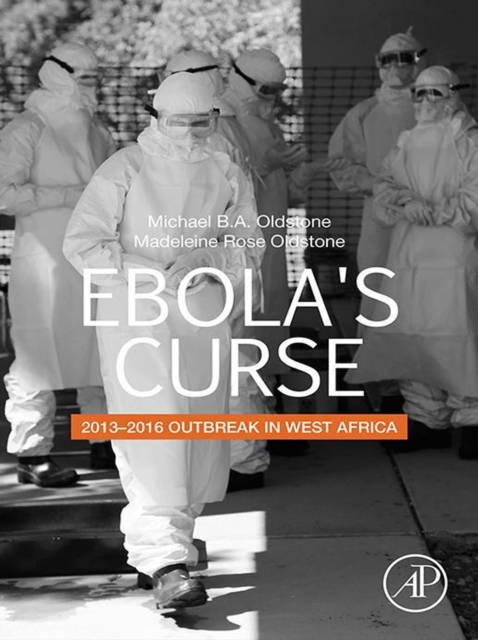
Ebola's Curse: 2013-2016 Outbreak in West Africa is about hemorrhagic fever viruses, especially Ebola, its initial origin in central Africa 1976, its unprecedented appearance in West Africa in 2013.
Physiological Systems in Insects discusses the roles of molecular biology, neuroendocrinology, biochemistry, and genetics in our understanding of insects.
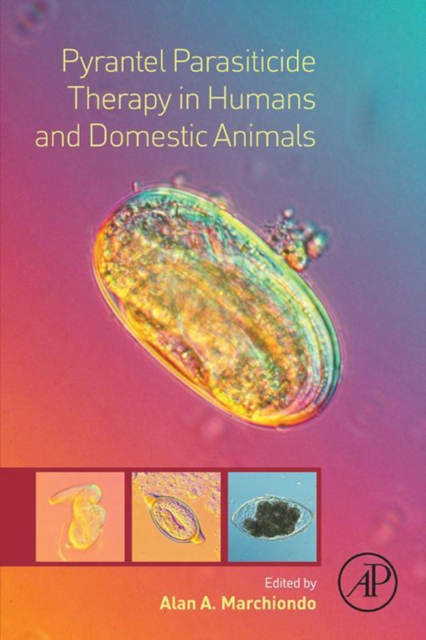
Pyrantel Parasiticide Therapy in Humans and Domestic Animals presents a single source history and reference on the parasiticide activity and pharmacology of the tetrahydropyrimidines and their salts in humans and domestic animals, also collating evidence that resistance to pyrantel has developed in human and domestic animal nematodes.
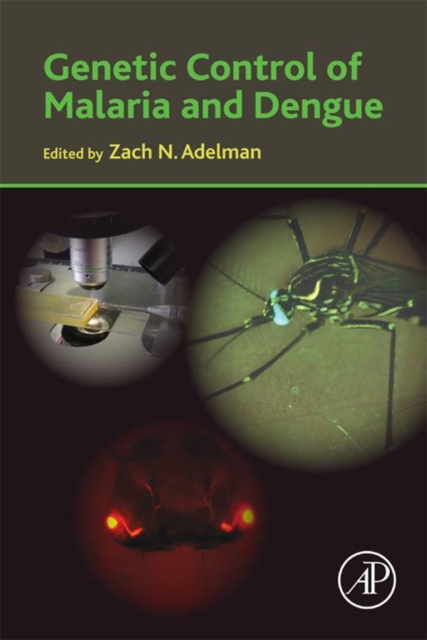
Genetic Control of Malaria and Dengue focuses on the knowledge, technology, regulation and ethics of using genetically modified mosquitoes to interrupt the transmission of important vector-borne diseases including Malaria.
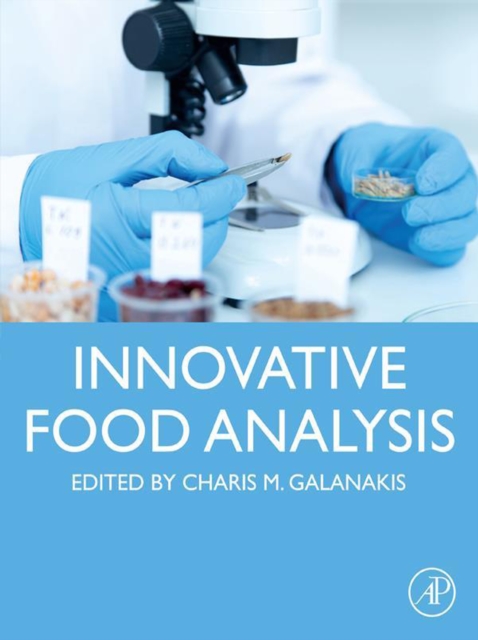
Innovative Food Analysis presents a modern perspective on the development of robust, effective and sensitive techniques to ensure safety, quality and traceability of foods to meet industry standards.
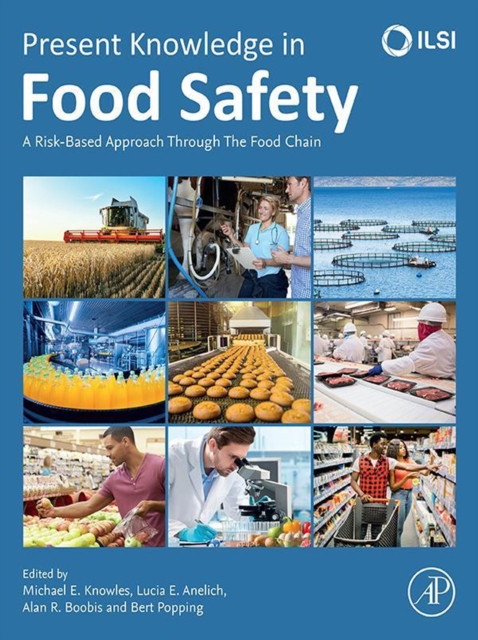
Present Knowledge in Food Safety: A Risk-Based Approach Through the Food Chain presents approaches for exposure-led risk assessment and the management of changes in the chemical, pathogenic microbiological and physical (radioactivity) contamination of 'food' at all key stages of production, from farm to consumption.
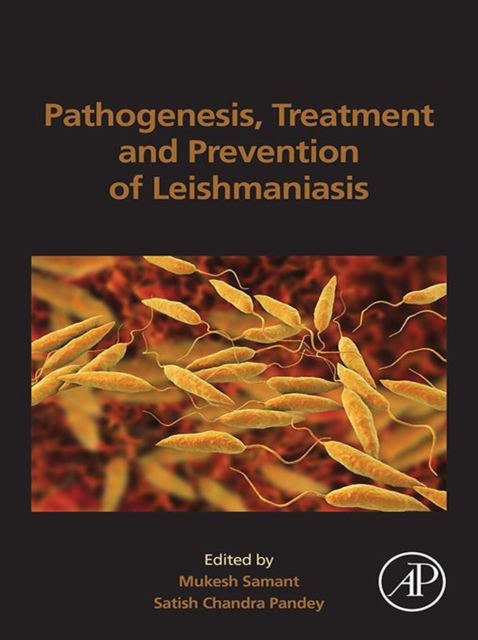
Leishmaniasis is a neglected tropical disease that is known to be transmitted by 90 different species of sandflies which carry 20 Leishmania species that cause human infection particularly in endemic countries.
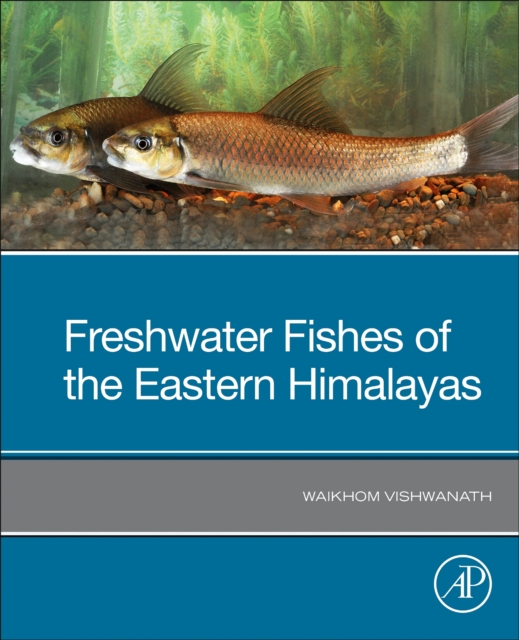
Freshwater Fishes of the Eastern Himalayas provides a guide to describe the internationally accepted methods used in the accurate identification of fishes, morphometry, i.
Advanced Food Analysis Tools: Biosensors and Nanotechnology provides the latest information on innovative biosensors and tools that are used to perform on-site detection tests.
Food Toxicology and Forensics presents an overview on these subjects, along with the analytical tools necessary to handle the complexity of the issues at play between them.
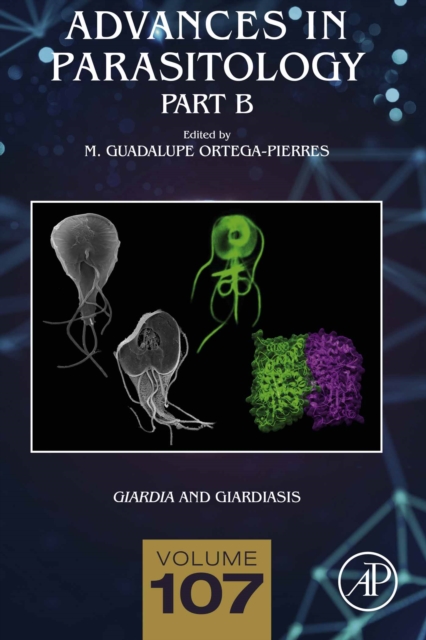
Giardia and Giardiasis Volume 107-Part B, in the Advances in Parasitology series, is dedicated to aspects of cytoskeletal structure of this parasite with an emphasis on insights of new components and their function in trophozoites.
Cyclospora cayetanensis is a microscopic parasite that can be transmitted via food or water sources and causes intestinal disease (Cyclosporiasis) in humans.
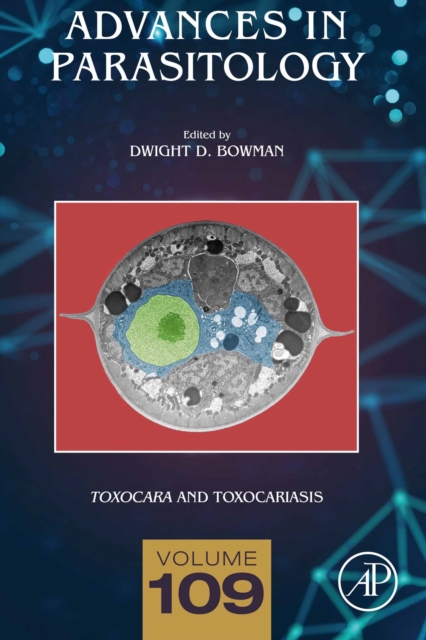
Toxocara and Toxocariasis, Volume 109 in the Advances in Parasitology series, includes medical studies of parasites of major influence, along with reviews of more traditional areas, such as zoology, taxonomy and life history, all topics which help to shape current thinking and applications.
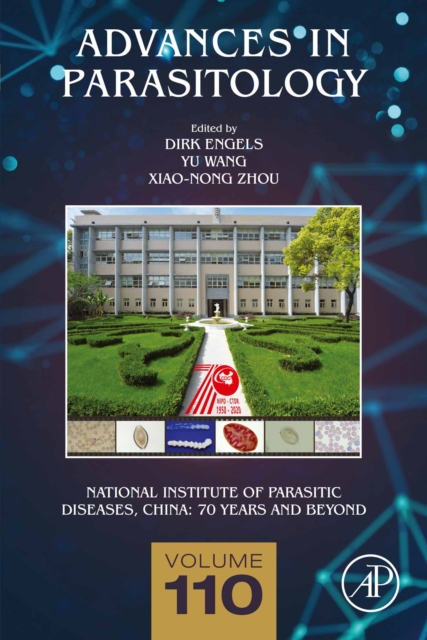
National Institute of Parasitic Diseases, China: 70 Years and Beyond, Volume 110 covers the major achievements gained in the research and control of parasitic diseases in China, e.
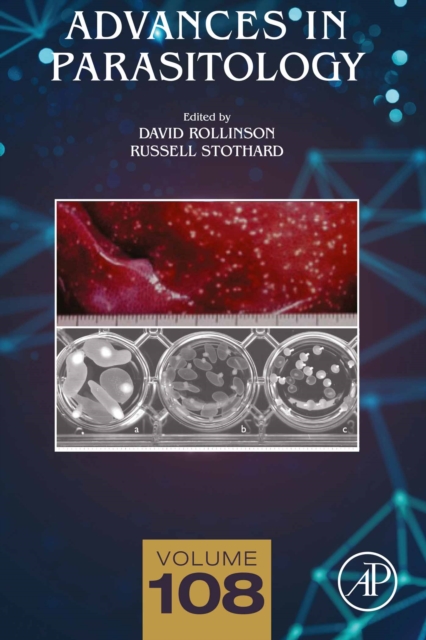
The Advances in Parasitology series includes medical studies of parasites of major influence, along with reviews of more traditional areas, such as zoology, taxonomy and life history, all topics which help to shape current thinking and applications.
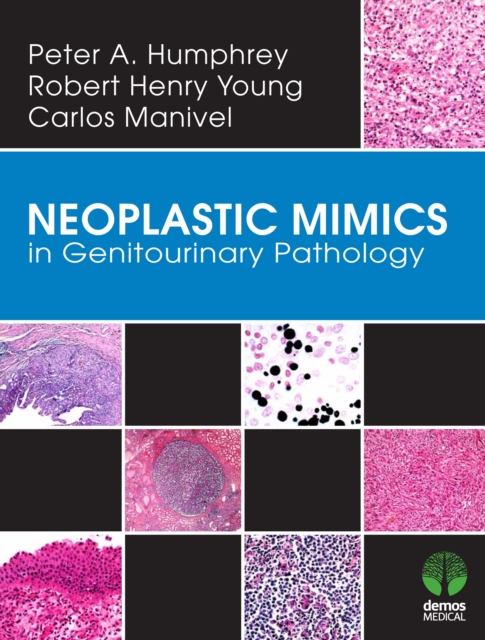
Neoplastic mimics or "e;pseudotumors"e; can simulate neoplasms on all levels of analysis- clinical, radiologic, and pathologic--and thus represent particular diagnostic pitfalls for the pathologist that can ultimately lead to therapeutic misdirection.
Building the Future of Food Safety Technology: Blockchain and Beyond focuses on evaluating, developing, testing and predicting Blockchain's impact on the food industry, the types of regulatory compliance needed, and other topics important pertaining to consumers.
Microbial Endophytes: Prospects for Sustainable Agriculture discusses the practical and theoretical aspects regarding the use of endophytic microorganisms in agriculture, providing insights on the biotechnological applications associated with long-term crop production.
Head and Neck Pathology concentrates on the salient H&E histopathology of each entity discussed with brief descriptors of the clinical features, differential diagnosis, and relevant literature references for each entity.
Food Safety: Past, Present, and Predictions offers a multidisciplinary approach on major food industry regulatory compliance changes that have emerged since the landmark 1993 E.
This concisely written, abundantly illustrated guide to a wide range of topics in gastrointestinal neoplasia facilitates the evaluation and accurate diagnosis of gastrointestinal neoplasms, both straightforward and challenging.
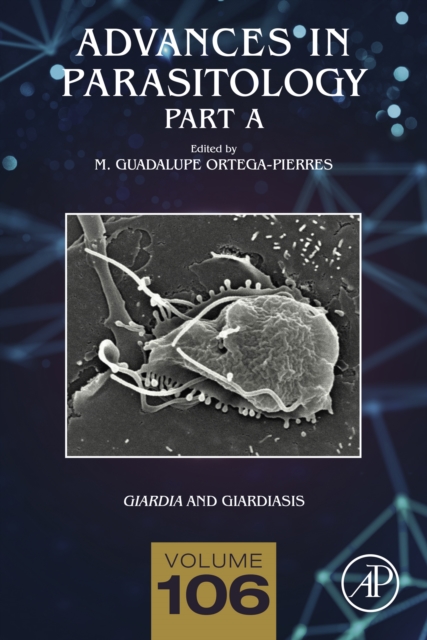
Giardia and Giardiasis, Volume 106 in Advances in Parasitology series includes in the first part aspects of molecular and cellular biology of Giardia and the role of particular molecules or molecular groups in essential functions and/or trafficking in the parasite.
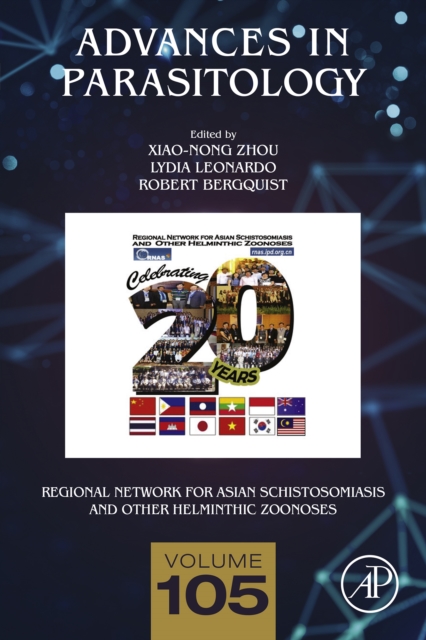
Regional Network for Asian Schistosomiasis and Other Helminthic Zoonoses, Volume 105, the latest release in the Advances in Parasitology series, captures the journey of RNAS+ from its early beginnings, to its current state, marking its accomplishments and impacts in research.
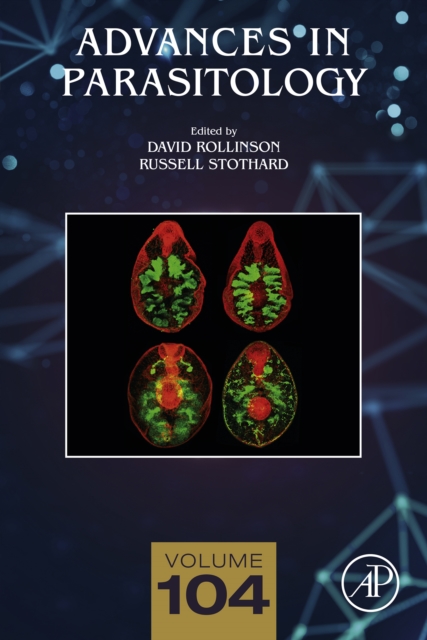
Advances in Parasitology, Volume 104, the latest in a series first published in 1963, contains comprehensive reviews on all areas of interest in contemporary parasitology.