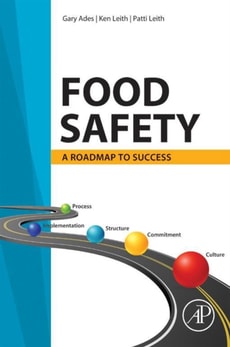
Food Safety: A Roadmap to Success is a hands-on book that discusses the key pieces of the food safety puzzle, culture, management commitment, organizational structure, implementation, and the glue that holds it together, communication/education/training, influence, accountability, and metrics.
Reconstructing Meaning After Trauma: Theory, Research, and Practice informs actual therapeutic work with clients who present with traumas or other life disruptions by providing clinicians with information on the construction of meaning.
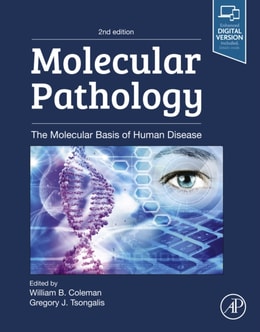
As the molecular basis of human disease becomes better characterized, and the implications for understanding the molecular basis of disease becomes realized through improved diagnostics and treatment, Molecular Pathology, Second Edition stands out as the most comprehensive textbook where molecular mechanisms represent the focus.
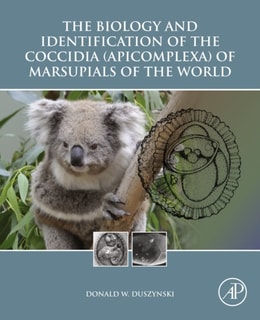
The Biology and Identification of the Coccidia (Apicomplexa) of Marsupials of the World contains the most up-to-date information on the former order marsupial that is now partitioned by mammalogists into seven separate orders that contain 20 families, 86 genera, and 318 species that live on land or in trees in Oceania and the Americas.
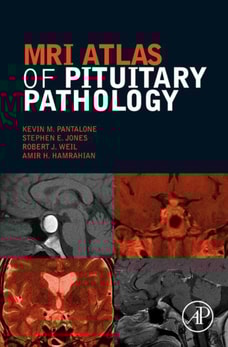
MRI Atlas of Pituitary Imaging focuses on magnetic resonance imaging (MRI), the imaging modality of choice for the evaluation of pituitary disorders, since it provides a detailed anatomy of the pituitary gland and surrounding structures, particularly the soft tissues.
Atlas of Oral Microbiology provides a complete description of the oral microbial systems, illustrating them with a large variety of bacteria culture images and electron microscopy photos.
Forensic Pathology, the latest volume in the Advanced Forensic Science series that grew out of the recommendations from the 2009 NAS Report serves as a graduate level text for those studying and teaching forensic pathology, and is an excellent reference for forensic pathologists' libraries or for use in their casework.
Clinical Challenges in Therapeutic Drug Monitoring: Special Populations, Physiological Conditions and Pharmacogenomics focuses on critical issues in therapeutic drug monitoring including special requirements of therapeutic drug monitoring important to special populations (infants and children, pregnant women, elderly patients, and obese patients).
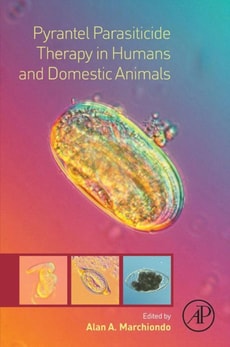
Pyrantel Parasiticide Therapy in Humans and Domestic Animals presents a single source history and reference on the parasiticide activity and pharmacology of the tetrahydropyrimidines and their salts in humans and domestic animals, also collating evidence that resistance to pyrantel has developed in human and domestic animal nematodes.
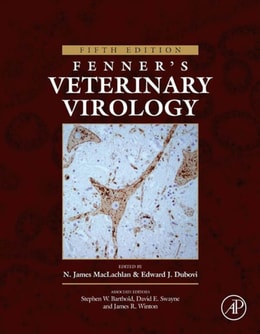
Fenner's Veterinary Virology, Fifth Edition, is a comprehensive reference of global importance that features coverage on viral agents, viral diseases of animals, and newly emerging viral zoonotic diseases.
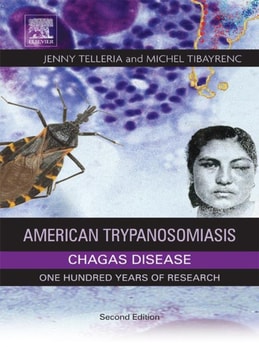
American Trypanosomiasis, Chagas Disease: One Hundred Years of Research, Second Edition, provides a comprehensive overview of Chagas disease and discusses the latest discoveries concerning the three elements that compose the transmission chain of the disease, the host, the insect vectors, and the causative parasite.
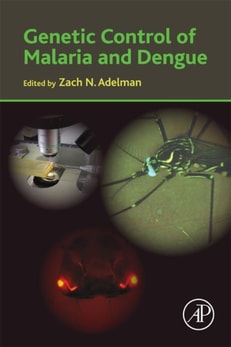
Genetic Control of Malaria and Dengue focuses on the knowledge, technology, regulation and ethics of using genetically modified mosquitoes to interrupt the transmission of important vector-borne diseases including Malaria.
Neuropathology of Drug Addictions and Substance Misuse, Volume 2: Stimulants, Club and Dissociative Drugs, Hallucinogens, Steroids, Inhalants and International Aspects is the second of three volumes in this informative series and offers a comprehensive examination of the adverse consequences of the most common drugs of abuse.
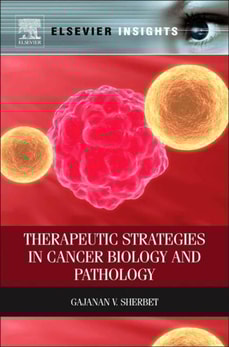
Currently, intensive effort is being directed toward the identification of molecular targets that can provide approaches to the development of novel therapeutic strategies in cancer management.
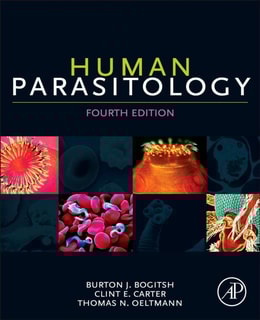
Human Parasitology emphasizes a medical perspective while incorporating functional morphology, physiology, biochemistry, and immunology to enhance appreciation of the diverse implications of parasitism.
Physiological Systems in Insects discusses the roles of molecular biology, neuroendocrinology, biochemistry, and genetics in our understanding of insects.
Concisely discussing the application of high throughput analysis to move forward our understanding of microbial principles, Metagenomics for Microbiology provides a solid base for the design and analysis of omics studies for the characterization of microbial consortia.
Palaeopathology of Children: Identification of Pathological Conditions in the Human Skeletal Remains of Non-Adults provides archaeological examples of pathological child remains with varying degrees of disease manifestation, and where possible, presents illustrations of individually affected bones to help with identification.
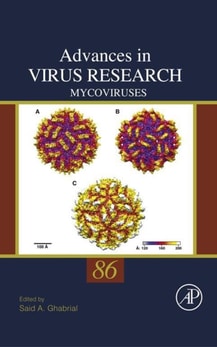
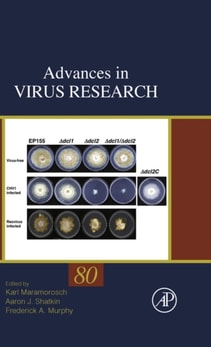
Published since 1953, Advances in Virus Research covers a diverse range of in-depth reviews providing a valuable overview of the current field of virology.
Guide to Food Safety and Quality During Transportation provides a sound foundation for the improvement of the transportation sector responsible for the movement of food.
Approaches to Research on the Systematics of Fish-Borne Trematodes is a concise guide for systematic studies of the prevalence of fish-borne trematodes both in the endemic areas and experimental laboratories.
This title critically reviews old and new literature, help to create greater awareness of the disease in the US and helps in the evaluation of certain epidemiological and public health issues.
This book tackles a number of different perspectives concerning the parasitic helminth Ascaris, both in animals and in humans and the disease known as ascariasis.
This 2e of Toxoplasma gondii reflects the significant advances in the field in the last 5 years, including new information on the genomics, epigenomics and proteomics of T.
This book provides an in-depth coverage not only of liver pathology but also of diagnosis of the numerous types of liver disease, placing specific emphasis on current treatments of liver pathology including the most up-to-date information on liver transplantation.
Published since 1953, Advances in Virus Research covers a diverse range of in-depth reviews providing a valuable overview of the current field of virology.
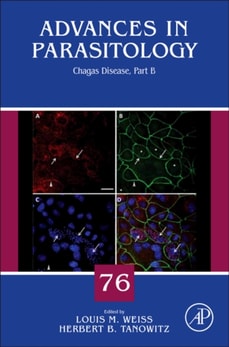
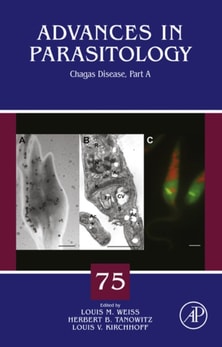
This thematic volume provides authoritative, up-to-date reviews addressing recent advances as well as an overview for the research and clinical communities on the endemic infection of Chagas disease.
This thematic volume provides authoritative, up-to-date reviews addressing recent advances as well as an overview for the research and clinical communities on the endemic infection of Chagas disease.
Cytometry is one of the most rapidly growing methodologies available for basic cell and molecular biology, cytogenetics, immunology, oncology, environmental sciences and also various fields of clinical medicine.
This book sheds light on the major functions of microbial communities in aquaculture ecosystems, showing that by recycling nutrients, degrading organic matter and preventing disease outbreaks, a variety of microbes are truly beneficial to a wide range of aquaculture industries.