Over the years, researchers have reported solubility data in the chemical, pharmaceutical, engineering, and environmental literature for several thousand organic compounds.
Orchids are fascinating ornamental flowers with a huge market both as cut flowers and potted plants, but they are also used in the traditional medicine system as they can be rich in phytochemicals with exceptional medicinal properties.
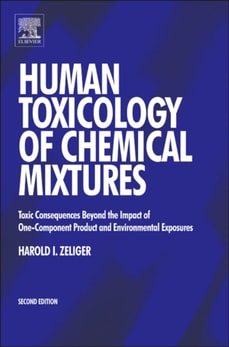
In this important reference work, Zeliger catalogs the known effects of chemical mixtureson the human body and also proposes a framework for understanding and predicting theiractions in terms of lipophile (fat soluble) / hydrophile (water soluble) interactions.
The second edition of this exceptional book provides a comprehensive understanding of the mechanisms of action involved in psychiatric pharmacotherapy.
This book offers a comprehensive exploration of brain tumors, beginning with a foundational understanding of their pathophysiology and extending through the latest advancements in diagnosis and treatment.
The health care industry is moving toward a major change in the code set, or language, used to report the reasons why a physician or health care professional provided care to a patient.
The health care industry is moving toward a major change in the code set, or language, used to report the reasons why a physician or health care professional provided care to a patient.
With contributions by international experts in academia, chemical manufacturing, government research laboratories, regulatory agencies, and private consulting, this guide explores the potentially damaging influence of environmental agents on the endocrine system.
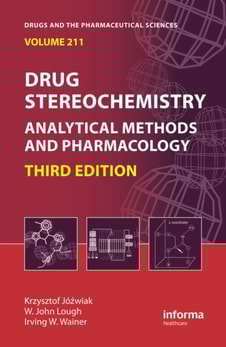
Drug Stereochemistry: Analytical Methods and Pharmacology, Third Edition covers all aspects of chiral drugs from academic, governmental, industrial, and clinical perspectives, reflecting the many advances in techniques and methodology.
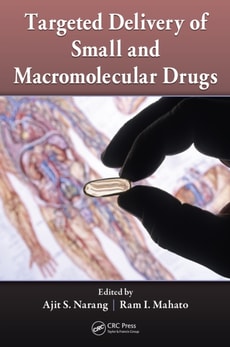
Site-specific drug delivery and targeting attracts much research interest from both academia and industry, but because of the many challenges faced in the development of these systems, only a handful of targeted therapies have successfully made it into clinical practice.
The application of molecular biologic methods, recognition of neurogenic inflammatory processes, and utilization of genetic knockout animals are just some of the advances in toxicology of the upper airways in recent years.
Bottom Line Information to Effectively Diagnose DisordersThe diagnosis, management, and clinical testing associated with old, traditional, and new endocrine disorders have seen numerous advances during the past 10 years since the publication of the previous edition of this bestselling resource.
This key volume of the Target Organ Toxicology Series provides a fresh and modern approach to the subject of skin toxicology from the perspective of how the skin forms a barrier that protects the body from the external environment and how chemicals and drugs interact with the barrier properties of the skin.
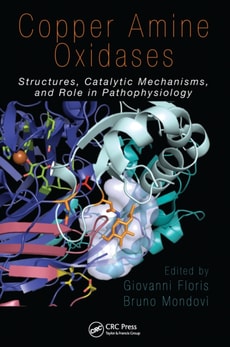
Although the amount of research on copper amine oxidases has grown rapidly and substantially in the past decade, the field unfortunately suffers from lack of cohesion and significant confusion surrounds aspects as simple as confirmation of enzyme identities.
Despite being regarded as the most common toxicological target in the endocrine system, the adrenal gland has often been neglected in regulatory testing.
In order to understand drug metabolism at its most fundamental level, pharmaceutical scientists must be able to analyze drug compound structures and predict possible metabolic pathways in order to avoid the risk of adverse reactions that lead to the withdrawal of a drug from the market.
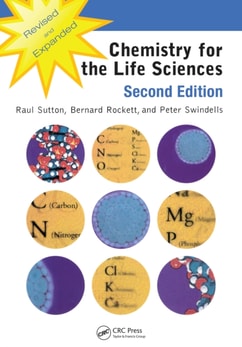
Presents short topics tied to numerical or conceptual ideas, reinforced with worked examples and questions Retaining the user-friendly style of the first edition, this text is designed to eliminate the knowledge gap for those life sciences students who have not studied chemistry at an advanced level.
As the number of patients with thrombosis and thrombolysis increases, there is a critical need for clinicians to learn the latest scientific discoveries and treatment options.
Written as a concise clinical reference guide covering the current and future airway disease treatments, this text encompasses: pathophysiology of respiratory tract diseasesthe methods of measuring airway and clinical responsesthe concepts upon which many treatments are used in COPD and asthma conditionsthe way in which these treatments work,
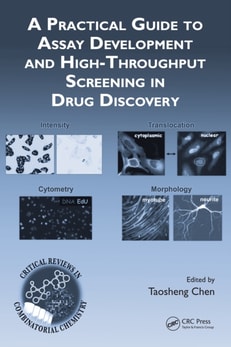
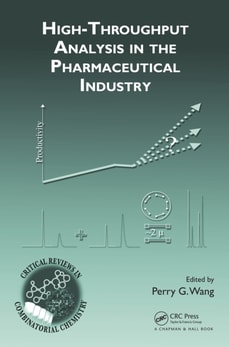
The development of suitable assays, the integration of appropriate technology, and the effective management of the essential infrastructure are all critical to the success of any high-throughput screening (HTS) endeavor.
Applies the Principles of Informatics to the Pharmacy ProfessionEmphasizes Evidence-Based Practice and Quality Improvement ApproachesLeading the way in the integration of information technology with healthcare, Pharmacy Informatics reflects some of the rapid changes that have developed in the pharmacy profession.
Geared toward sleep specialists, neurologists, geriatricians, and psychiatrists, Geriatric Sleep Medicine presents the most current medical research for the diagnosis and management of sleep disorders in the older patient.
This new edition presents an integrated approach to neurotoxicology, the study of organisms' responses to changes in their environment and how interruption of the flow of information by chemical exposure causes a wide range of effects - from learning deficits, sensory disturbances in the extremities, and muscle weakness to seizures and signs similar to neurodegenerative disorders such as Parkinson's or Alzheimer's disease.
Presents the Therapeutic Potential for Caspase Inhibitors: Present and FutureCaspases represent one of the most specific protease families described to date.
Although a wealth of information can be found scattered throughout periodicals and research papers, tracking down the most effective treatment for a heterogeneous syndrome such as cachexia can be problematic.
Biologically Active Natural Products: Pharmaceuticals demonstrates the connections between agrochemicals and pharmaceuticals and explores the use of plants and plant products in the formulation and development of pharmaceuticals.
Incorporating a bench-top format, G Proteins: Techniques of Analysis covers essential methods - with a commitment to those techniques of proven and current utility.
The basic science of the cellular and molecular responses of the brain to injury is a rapidly expanding area of research that provides evidence of growing opportunities for pharmacological intervention in the clinic.
Covering recently developed methods in membrane-bound receptors, this book emphasizes receptor structure and function, knowledge of which is essential to the study of signal transduction.
Advances in pharmacogenomics and proteomics, along with the introduction of recombinant DNA technology, have expanded the applications of pharmacology to encompass a range of disciplines.
Macromolecules in the body form noncovalent associations, such as DNA-protein or protein-protein complexes, that control and regulate numerous cellular functions.
Encouraged by the medicinal success of quinine, early 19th century scientists hoped strychnine, another plant alkaloid with remarkable properties, might also become a new weapon against disease.
Fundamentals of Biochemical Calculations, Second Edition demystifies the fundamental calculations used in modern biochemistry, cell biology, and allied biomedical sciences.
Reveals an Emerging Avenue of Potential Treatments for a Host of Challenging Diseases and DisordersThe H3 receptor is known to play a major role in a range of CNS disorders, including those affecting cognitive functions such as ADHD and Alzheimer's disease, as well as sleep disorders, obesity, epilepsy, schizophrenia, depression, and neurodege
Postmortem Toxicology of Abused Drugs considers the role of toxicology in death investigation and gives practical insights on conducting toxicology tests and completing the toxicology report.
Up to the last decade or so, most general modeling approaches to the study of molecular components of biological responses have required significant amount of computer time, expertise, and resources, as well as highly specialized and often custom-written programs.