Recent and rapid progress in the field of biotechnology has resulted in an increasing number of novel macromolecular drugs with great promise for further advanced research and clinical application.
Stimulation of the immune system's ability to control and destroy tumors cont- ues to be the goal of cancer immune therapy; but the scope has rapidly expanded; approaches are constantly updated; new molecules are continually introduced; and immune mechanisms are becoming better understood.
Drug development today needs to balance agility, speed, and risk in defining probability of success for molecules, mechanisms, and therapeutic concepts.
My journey into this fascinating field of biotechnology started about 26 years ago at a small biotechnology company in South San Francisco called Genentech.
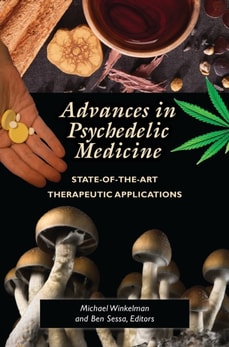
Researchers, program administrators, and practicing clinicians explain the most recent developments in using psychedelic substances to treat psychological, physiological, and social problems.
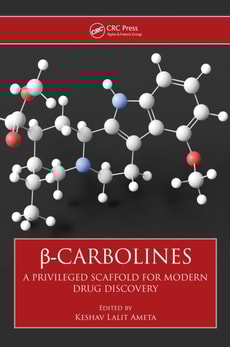
-Carbolines: A Privileged Scaffold for Modern Drug Discovery provides a summary of methods for the synthesis of various natural products engineered with the diverse -carboline scaffold and their biological evaluation.
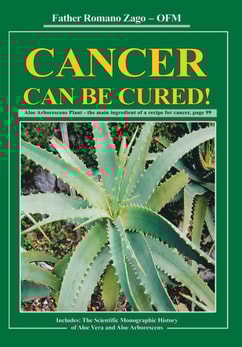
Father Romano Zago, a Franciscan Friar and scholar, wrote the book Cancer Can Be Cured to reveal to the world an all natural Brazilian Recipe that contains the juice made from the whole leaf plant of Aloe Arborescens and honey that has been shown to rapidly restore the body's health so it heals itself of all types of cancer.
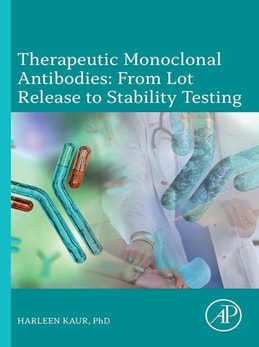
Therapeutic Monoclonal Antibodies: From Lot Release to Stability Testing is a highly topical resource on a subject of interest for scientists and researchers working on monoclonal antibodies' characterization, release testing, stability testing and similarity assessments of monoclonal antibodies in the biopharmaceutical industry.
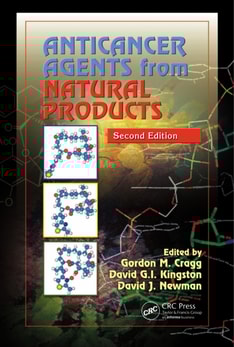
Natural products play crucial roles in modern drug development, and constitute a prolific source of novel lead compounds or pharmacophores for ongoing drug discovery programs.
The Handbook of Toxicology, Third Edition provides an updated practical reference source for practicing toxicologists in the pharmaceutical and chemical industries, contract laboratories, regulatory agencies, and academia.
Diverse and abundant, marine-derived bioactive compounds offer a plethora of pharmacologically active agents with the potential to produce valuable therapeutic entities.
The second volume in the series Carbohydrate Chemistry: Proven Synthetic Methods, Volume 2 offers a collection of synthetic procedures valuable to the practice of synthetic carbohydrate chemistry.
The first edition of Bioactive Compounds from Natural Sources was published in a period of renewed attention to biologically active compounds of natural origin.
Written in the same accessible manner as previous editions, the fifth edition of Karch's Pathology of Drug Abuse is an essential guide to the pathology, toxicology, and pharmacology of commonly abused drugs.
Long gone are the days when synthetic publications included parallel preparative experiments to document reproducibility of the experimental protocols and when journals required such documentation.
Natural products chemistry-the chemistry of metabolite products of plants, animals and microorganisms-is involved in the investigation of biological phenomena ranging from drug mechanisms to gametophytes and receptors and drug metabolism in the human body to protein and enzyme chemistry.
Since the publication of the benchmark first edition of this book, chemical library and combinatorial chemistry methods have developed into mature technologies.
While drug therapies developed in the last 80 years have markedly improved treatment outcomes and the management of some types of cancers, the lack of effectiveness and side effects associated with the most common treatment types remain unacceptable.
The rapid advances in recombinant DNA technology and the increasing availability of peptides and proteins with therapeutic potential are a challenge for pharmaceutical scientists who have to formulate these compounds as drug products.
Chemical Biology of Natural Products This unique, long-awaited volume is designed to address contemporary aspects of natural product chemistry and its influence on biological systems, not solely on human interactions.
Phage Display in Biotechnology and Drug Discovery, Second Edition provides a comprehensive view of the impact and promise of phage display in drug discovery and biotechnology.
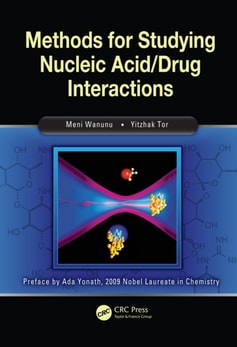
Since most therapeutic efforts have been predominantly focused on pharmaceuticals that target proteins, there is an unmet need to develop drugs that intercept cellular pathways that critically involve nucleic acids.
Although the genomic era is no longer in its infancy, the life sciences are still facing questions about the role of endogenous proteins and peptides in homeostasis and pathologies.
Since the publication of the pioneering first edition of Chemical Genomics and Proteomics more than seven years ago, the area of chemical genomics has rapidly expanded and diversified to numerous novel methods and subdisciplines, such as chemical glycomics and lipidomics.
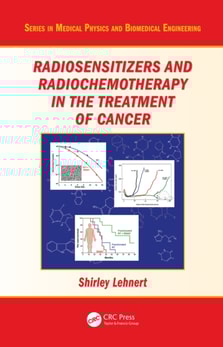
Radiosensitizers and Radiochemotherapy in the Treatment of Cancer catalogs and describes the mechanism of action for entities characterized as radiosensitizers.
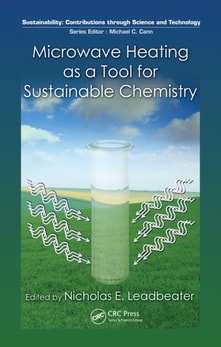
Shorter reaction times, higher product yields, and enhanced selectivity are some of the advantages microwave heating has over conventional methods, causing its use to transition from a curiosity to mainstream, both in industrial and academic settings.
The Minipig in Biomedical Research is a comprehensive resource for research scientists on the potential and use of the minipig in basic and applied biomedical research, and the development of drugs and chemicals.
Discussing existing techniques, ongoing research, new approaches, and basic concepts in the treatment of nail diseases, Topical Nail Products and Ungual Drug Delivery summarizes the current knowledge and represents a jumping-off point for creating novel techniques of drug delivery across the nail.
Revised and updated, this edition covers general principles of overdose management; the automonic nervous system, neurotransmitters and drugs; drugs used in psychiatry; cardiac drugs; agents that burn; gases and abnormal haemoglobin formation; the
Using this concise yet complete introduction to all aspects of biological membranes and their responses to toxicants, the reader will understand the role of cell membranes in controlling uptake, distribution, extrusion and excretion of toxic xenobiotics.
The use of drugs as remedies for various types of diseases has a long tradition; however, it has only been recently recognized that the value of any given compound must be evaluated in light of its benefit to risk ratio.
Covering some of the most important topics in modern toxicology, the Handbook of Human Toxicology is a unique and valuable addition to the current literature.
Improve your patient's health through a fresh view of their behaviorsPatients who use over-the-counter (OTC) and prescription medicine often do not take the drugs as intended, sometimes to the detriment to their health and well-being.
Performance Enhancing Medications and Drugs of Abuse explores various medications currently being abused by patients, from the drugs used for physical and cosmetic purposes by weekend warriors, professional athletes, and other at-risk populations, to the drugs used to enhance mood and memory.