The majority of cancers present at a relatively advanced stage in which invasion within the primary organ is well established and metastases to lymph and distant organs are either clinically apparent or present at the microscopic level.
Molecular Determinants of Radiation Response includes chapters by expert authors who detail the present understanding of key DNA damage response pathways and proteins.
Inappropriate activation of the Wnt signaling pathway is observed in many human cancers and is sufficient to drive tumor initiation and progression in numerous contexts.
The historical approach to the interpretation of physical, chemical and biological phenomena has been to consider relationships with causative factors that can be reduced to linearity allowing simple and direct interpretation.
The inspiration for this text was the 1988 volume by Alder and Zbinden, written before the ICH harmonization process for drug safety evaluation (or its ISO analog for device biocompatibility evaluation) had been initiated or come to force.
This edition includes both updates and new uses and issues concerning CTS, along with case studies of how clinical trial simulations are being applied in various therapeutic and application areas.
Squamous epithelia form the lining surface of tissues in contact with the environment: the skin, oral mucosa, esophagus and respiratory tract, the genital tract, and several other specialized tissues.
This book attempts to analyze the latest discoveries in sphingolipid biology and how the alteration of their metabolism leads to altered signaling events and to the development of pathobiological disorders, such as cancer, cardiovascular diseases, asthma, diabetes, inflammation and infectious diseases.
Primary liver cancer is the third most deadly and fifth most common cancer worldwide (~500,000 deaths annually), with a sharp increase of incidence in the United States in recent years.
Translational strategies for development of antibody-based therapeutics should allow understanding of the relationship between the 'unit dose' and 'unit effect' with respect to both beneficial and deleterious effects from early stages of development.
This volume presents a collection of reviews derived from work presented at the Aegean Conference: "e;3rd Crossroads between innate and adaptive immunity"e; which occurred during September 27 - October 2, 2009 at the Minoa Palace Conference Center in Chania, Crete, Greece.
Drug Metabolism and Pharmacokinetics Quick Guide covers a number of aspects of drug assessment at drug discovery and development stages, topics such as pharmacokinetics, absorption, metabolism, enzyme kinetics, drug transporters, drug interactions, drug-like properties, assays and in silico calculations.
Energy Balance and Cancer, Epidemiology and Overview is the first in a series of monographs to address the multiple facets of the world wide pandemic of overweight and obesity and its relation to cancer.
The purpose of this book is to review our state of knowledge about the neurobehavioral and psychosocial processes involved in behavioral inhibitory processes and to provide an insight into how these basic research findings may be translated into the practice of drug abuse prevention interventions.
Channing Der and colleagues provide an encyclopedic overview of the Rho GTPases, providing enough detail to make any reader well-versed in the Rho field.
An increasing number of exercise scientists are applying their skills collaboratively (with medics and physiotherapists) to clinical populations and investigating the effects of exercise in relation to wide-ranging clinical, pathophysiological and psycho-social outcomes.
The International Conference of Harmonization (ICH) has worked on har- nizing the stability regulations in the US, Europe, and Japan since the early 1990s.
Germination of the thought of "e;Enzymatic- and Transporter-Based Drug-Drug Interactions: Progress and Future Challenges"e; Proceedings came about as part of the annual meeting of The American Association of Pharmaceutical Scientists (AAPS) that was held in San Diego in November of 2007.
Cancer was thought to originate from alterations in intercellular signaling that resulted in the transformation of cells, their uncontrolled proliferation and metastasis.
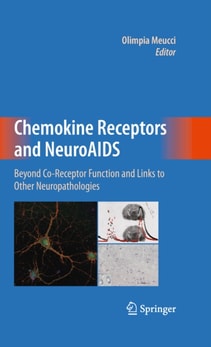
Chemokine Receptors and NeuroAIDS: Beyond the Co-receptor Function and Links to Other Neuropathologies focuses on unresolved or emerging issues concerning the role of chemokine receptors in neuronal injury and HIV neuropathology, including their ability to regulate fundamental neuronal and glial functions and their role in neurovirulence and neurotoxicity.
Personalized medicine, which simply means selection of treatment best suited for an individual, involves integration and translation of several new technologies in clinical care of patients.