We anticipate the book to be a definitive text on the subject that explores all aspects of the study of adrenal cancer and the treatment of patients with the disease.
The complexarchitectureofneuronal networks togetherwith the extraordinary associated functions make the nervous system a fascinating biological structure.
Drug Addiction: From Basic Research to Therapy provides a comprehensive overview of physiological, biochemical, and genetic pathways underlying drug addiction, and resultant efforts to develop novel treatment strategies dealing with drug addiction and other CNS disorders where the neurophysiological processes overlap, such as treatment of pain.
A particular issue for biopharmaceuticals that has not been addressed comprehensively in any book, is the potential of an immune response to the biopharmaceutical product.
During the past decades, with the introduction of the recombinant DNA, hybridoma and transgenic technologies there has been an exponential evolution in understanding the pathogenesis, diagnosis and treatment of a large number of human diseases.
The reader will be introduced to various aspects of the fundamentals of nanotechnology based drug delivery systems and the application of these systems for the delivery of small molecules, proteins, peptides, oligonucleotides and genes.
Endocannabinoids control most of the body functions, and in the brain, they modulate neurotransmission, synaptic plasticity, confer neuroprotection, control metabolism, neuro- and neuritogenesis, survival, cognitive and motor functions as well as a plethora of other higher-order brain functions.
Up until approximately 20 years ago, the idea that the central nervous system (CNS) and components of the immune system were dynamically interactive was considered impossible (or at least highly unlikely) as the CNS was judged an immunosuppressive environment based upon experimental evidence highlighting the survival of tissue grafts within the brain.
In 1971, I started a fellowship in infectious diseases and medical microbiology at the Channing Laboratory of the Harvard Medical Service at Boston City Hospital.
Drug performance is a vital aspect of new drug development as it draws on interdisciplinary expertise from both pharmaceutics and pharmacokinetics disciplines.
Immune responses at mucosal surfaces play a major role in host mucosal defense against microbial pathogens and in the pathogenesis of acute and chronic mucosal inflammatory diseases.
In the past two decades, enormous strides have been made These tools for exploring brain biochemistry at the cellular in our understanding of the relationships between inflamma- level opened new vistas for understanding brain functioning tion, innate immune responses, adaptive immune responses, and the pathogenesis of human disease.
The objective of this book is to make its readers better informed and more critical consumers of clinical research to help them recognize the strengths and the weaknesses of scientific publications.
In recent years, major developments have been made in understanding various genetic and epigenetic regulatory processes that are critical for the generation of B cell repertoires.
ight junctions (TJs) are cell-ceil adhesion belts that encircle epithelial and endothelial cells at the limit between the apical and the lateral Tmembrane.
This compilation presents minireviews derived from work presented at the - gean Conference: "e;First Crossroads between Innate and Adaptive Immunity,"e; which occurred October 9-14, 2005 at the Hilton Conference Center on the - land of Rhodes, Greece.
New Perspectives on Aloe will cover research studies of aloe by the CAP (Creation Aloe Pharmaceuticals) team, which studied various aspects of aloe over a period of more than 10 years.
Since its first discovery in the early 90's, the NF-kB/Rel transcription factor family has drawn the attention of experimental biologists, medical profession, and biotech/pharmaceutical industries for its broad and diverse roles in all aspects of human biology and disease.
In the 20 years that have passed since the publication of the first edition, both Poison Control Centers and Emergency Departments have witnessed an expansion in the number and variety of poisonings caused by toxic plants.
This special issue of Advances in Experimental Medicine and Biology includes much of the research presented at the recent Second International Tissue Engineering Conference.
In Viral Membrane Proteins: Structure, Function, and Drug Design, Wolfgang Fischer summarizes the current structural and functional knowledge of membrane proteins encoded by viruses.
Many recent discoveries in both laboratory and clinical settings have greatly increased our understanding of sleep medicine and the relevant psychopharmacology.
oltage-gated calcium channels are essential mediators of a range of physiological functions, including the communication between nerve Vcells, the regulation of heart beat, muscle contraction, and secretion of hormones such as insulin.
Cytochrome P450: Structure, Mechanism, and Biochemistry, third edition is a revision of a review that summarizes the current state of research in the field of drug metabolism.
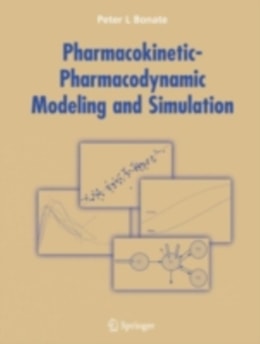
A natural hierarchy exists in pharmacokinetic-pharmacodynamic modeling culminating in population pharmacokinetic models, which are a specific type of nonlinear mixed effects model.